Retail ERP Software • Retail ERP Solutions • ERP for Retail
The Definitive Guide to Retail ERP Software
Streamline Inventory, Point of Sale, Procurement, Multi-Store Operations, Customer Experience, and Business Growth with Intelligent Retail ERP Software
Last Updated: 9th June 2026 | Author: Dhiren Shah
Transform Complex Retail Operations into Connected, Efficient, and Profitable Business Workflows
Retail businesses must manage products, suppliers, inventory, pricing, promotions, point of sale (POS), multiple store locations, warehouses, online marketplaces, customer loyalty programs, returns, and financial operations simultaneously. When inventory, procurement, sales, warehouse operations, eCommerce platforms, customer data, and finance operate in disconnected systems, businesses often face stock shortages, excess inventory, delayed replenishment, billing errors, poor customer experiences, and reduced profitability. Retail ERP Software brings every retail function together on one intelligent, centralized platform.
You need Retail ERP Solutions that seamlessly connect procurement, inventory management, point of sale (POS), warehouse operations, multi-store management, eCommerce integration, customer relationship management (CRM), pricing, promotions, finance, analytics, and business reporting into one reliable retail management system.
Understanding Retail ERP
One Integrated System for Procurement, Inventory, Sales, and Customer-Centric Retail Operations
Retail ERP Software is a comprehensive business management system designed for retailers, supermarket chains, hypermarkets, department stores, fashion and apparel retailers, electronics stores, furniture retailers, pharmacies, specialty stores, franchises, and multi-store retail businesses.
Unlike standalone POS or accounting software, ERP for Retail manages operational, commercial, and financial workflows together. It provides real-time visibility into inventory across stores and warehouses, automates procurement and stock replenishment, synchronizes online and offline sales channels, manages pricing and promotional campaigns, tracks customer purchases and loyalty programs, monitors supplier performance, streamlines billing and financial processes, and delivers comprehensive business analytics.
How Retail ERP Works
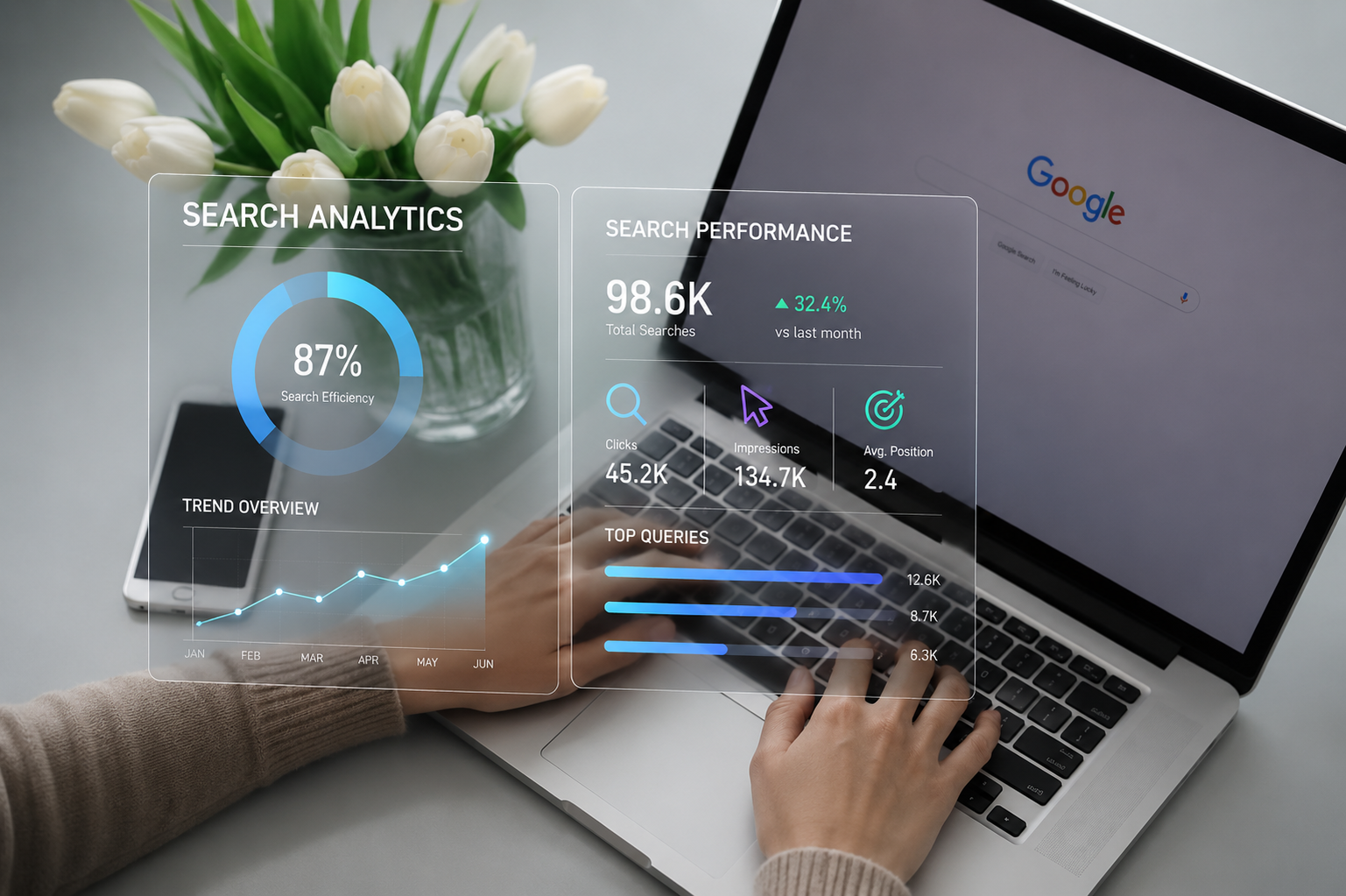
Retail ERP begins with product planning, supplier procurement, and customer demand. The system manages supplier quotations, purchase orders, goods receipts, inventory updates, warehouse movements, stock replenishment, point of sale (POS) transactions, online orders, promotions, billing, returns, exchanges, customer loyalty, collections, and financial accounting automatically. It enables retailers to maintain optimal inventory levels, monitor sales performance, control pricing and profit margins, track customer buying behaviour, manage multiple stores, and improve operational efficiency through one centralized dashboard.
Retail ERP Architecture
Modern Retail ERP Software architecture combines centralized databases, workflow automation, approval workflows, product and supplier master management, customer relationship management (CRM), multi-store operations, web dashboards, mobile accessibility, barcode and QR code scanning, POS integration, financial management, advanced reporting, and API connectivity. It seamlessly integrates with eCommerce platforms, online marketplaces, payment gateways, GST systems, warehouse management systems, logistics providers, CRM solutions, loyalty programs, inventory scanners, supplier portals, and customer self-service portals to create a unified digital retail ecosystem. This connected architecture enables real-time inventory visibility, faster decision-making, consistent customer experiences, and scalable retail operations across all sales channels.
Core Retail ERP Modules
Procurement, Inventory, Sales and Retail Operations Modules
Manage procurement, inventory, point of sale (POS), warehouse operations, multi-store retail, customer engagement, billing, promotions, and financial processes with greater visibility, efficiency, and control.
Procurement & Inventory Planning
Aligns purchasing, inventory replenishment, and stock allocation with customer demand, seasonal trends, promotional campaigns, and sales forecasts. It helps retail managers determine what products to purchase, how much inventory to maintain, where to distribute stock, and when to replenish inventory without increasing carrying costs or creating stock shortages.
Inventory Replenishment & Stock Optimization
Automatically calculates reorder quantities, safety stock levels, fast-moving and slow-moving products, seasonal demand, pending purchase requirements, supplier lead times, warehouse availability, and store inventory based on historical sales, current stock levels, and real-time demand to ensure optimal inventory across all retail locations.
Sales Order & POS Management
Manages point of sale (POS) transactions, customer orders, online sales, order processing, billing, promotions, discounts, payment processing, returns, exchanges, and order fulfilment from a centralized system, enabling retailers to deliver faster and more consistent customer experiences across all sales channels.
Warehouse & Multi-Store Inventory Management
Monitors warehouse capacity, inventory movement, store transfers, picking and packing operations, replenishment schedules, branch stock availability, and warehouse productivity to ensure products are always available where customers need them while minimizing operational bottlenecks.
Demand Forecasting & Sales Analytics
Uses historical sales data, seasonal buying patterns, promotional performance, customer purchasing behaviour, regional demand, online sales trends, and inventory turnover to forecast future demand accurately. This enables retailers to optimise procurement decisions, reduce excess inventory, and maximise product availability.
Product Master & SKU Management
Maintains centralized product masters, SKUs, barcodes, HSN codes, categories, brands, variants, product attributes, pricing rules, pack sizes, serial numbers, batch numbers, tax configurations, supplier information, and inventory classifications to ensure accurate and consistent retail operations across all stores and sales channels.
Retail Workflow & Approval Management
Defines retail workflows covering procurement requests, supplier approvals, purchase orders, goods receipts, inventory transfers, pricing approvals, promotional campaigns, stock adjustments, returns, refunds, financial approvals, and customer service processes with clearly defined responsibilities and automated approval workflows.
Order Fulfilment & Omnichannel Management
Tracks every customer order from online purchase, in-store sale, stock allocation, picking, packing, shipping, delivery, click-and-collect, returns, refunds, and payment reconciliation with real-time visibility across physical stores, warehouses, eCommerce platforms, and marketplace channels.
Store Performance & Operational Analytics
Monitors store productivity, sales performance, inventory turnover, customer footfall, average transaction value, product profitability, staff productivity, promotion effectiveness, stock movement, fulfilment speed, and branch-wise operational performance through real-time dashboards and business intelligence reports, enabling retailers to make faster and more informed business decisions.
Core Retail ERP Modules
Inventory, Warehouse & Supplier Management Modules
Manage products, inventory, warehouses, suppliers, purchase orders, stock transfers, retail stores, distribution centres, order fulfilment, returns, and replenishment from procurement to final customer sale through one centralized retail management platform.
Multi-Store Inventory Management
Tracks real-time inventory across retail outlets, warehouses, distribution centres, online stores, franchises, and fulfilment locations.
Warehouse & Distribution Centre Management
Manages warehouse locations, storage bins, goods receipt, inventory allocation, stock transfers, picking operations, packing activities.
Supplier & Procurement Management
Controls supplier relationships, purchase planning, delivery schedules, procurement workflows, supplier lead times, shipment tracking, logistics coordination.
Purchase Requisition & Procurement Automation
Automates purchase requisitions, supplier quotations, comparative price analysis, purchase approvals, purchase orders, goods receipts, supplier invoices.
Supplier Performance & Vendor Evaluation
Evaluates suppliers based on pricing competitiveness, product quality, delivery reliability, fulfilment accuracy, inventory availability, credit terms, service responsiveness, return rates.
Barcode, QR Code & Inventory Tracking
Uses barcode and QR code scanning to automate goods receipt, inventory allocation, shelf replenishment, warehouse transfers, stock counting, POS billing, order picking, packing, dispatch.
Batch, Serial Number & Product Traceability
Tracks product batches, serial numbers, expiry dates, manufacturing details, supplier information, warehouse movements, store transfers, customer sales, warranty records, product recalls.
Core Retail ERP Modules
Finance, Customer Relationship & Business Management Modules
Connect retail operations with procurement, pricing, promotions, finance, customer relationship management (CRM).
Retail Finance & Accounting
Connect retail operations with procurement, pricing, promotions, finance, customer relationship management (CRM), human resources, GST compliance.
Pricing, Promotions & Profitability Analysis
Calculates product costs, procurement expenses, landed costs, transportation charges, taxes, promotional discounts, pricing strategies, gross margins.
Point of Sale (POS), Sales & Billing Management
Manages in-store POS transactions, online sales orders, customer quotations, pricing rules, promotional offers, discount approvals, billing, GST invoices.
Customer Relationship Management (CRM) & Loyalty Programs
Tracks customer enquiries, purchase history, communication records, loyalty memberships, reward points, promotional campaigns, customer segmentation.
Human Resources & Workforce Management
Manages employee records, attendance, shift scheduling, payroll processing, incentive programs, sales targets, commissions, leave management, training records, performance evaluations, and workforce productivity.
Returns, Exchanges & Customer Service Management
Controls product returns, exchanges, refunds, warranty claims, damaged goods, defective products, return approvals, replacement processing, quality inspections, customer complaints, supplier claims, and reverse logistics.
Asset, Equipment & Store Maintenance
Schedules preventive maintenance for POS terminals, barcode scanners, billing systems, weighing machines, warehouse equipment, display fixtures, refrigeration units.
Advanced Technologies and Integrations
Built for Modern Retail, Omnichannel Commerce, and Multi-Store Business Operations
Retail businesses are becoming increasingly digital, customer-centric, and data-driven. Modern retailers must manage physical stores, eCommerce platforms, online marketplaces, mobile commerce, inventory, customer engagement, and supply chain operations through one connected ecosystem.

IoT Enabled Retail ERP
IoT-enabled devices, smart shelves, RFID sensors, electronic shelf labels (ESL), barcode scanners, POS terminals, warehouse automation systems, temperature monitoring devices, weighing scales, and inventory sensors can seamlessly integrate with Retail ERP Software to provide real-time inventory visibility, automated stock updates, asset tracking, environmental monitoring, and operational alerts across stores, warehouses, and distribution centres.
AI-Powered Retail ERP
Artificial Intelligence (AI) helps retailers forecast customer demand, optimise inventory levels, recommend replenishment quantities, identify slow-moving and fast-selling products, predict seasonal buying patterns, personalise customer experiences, optimise pricing strategies, detect stock anomalies, reduce inventory losses, and support smarter merchandising decisions through predictive analytics and intelligent automation.
Business Intelligence, Reports & Dashboards
Business Intelligence (BI) transforms procurement, inventory, POS transactions, eCommerce sales, customer behaviour, promotions, supplier performance, warehouse operations, financial data, and multi-store performance into interactive dashboards and real-time KPIs. Retail managers gain actionable insights to improve profitability, monitor operations, analyse sales trends, and make faster data-driven business decisions.
Warehouse & Order Fulfilment Integration
Warehouse management systems integrate with Retail ERP Solutions to automate inventory allocation, stock replenishment, order picking, packing, shipping, click-and-collect services, store transfers, delivery scheduling, and reverse logistics. Real-time synchronization improves fulfilment accuracy, accelerates order processing, and enhances customer satisfaction across all retail channels.
Barcode, RFID & Smart Device Integration
Retail ERP integrates seamlessly with barcode scanners, RFID readers, POS terminals, weighing machines, handheld inventory devices, self-checkout kiosks, mobile scanners, label printers, and warehouse automation equipment to automate inventory tracking, billing, stock verification, replenishment, and warehouse operations while significantly reducing manual data entry and operational errors.
Product Information & Catalogue Management
Maintain a centralized product catalogue containing SKUs, barcodes, categories, brands, product variants, pricing, promotions, tax rules, supplier information, product images, specifications, pack sizes, and inventory classifications. Any updates to products, pricing, promotions, or tax configurations are automatically synchronized across stores, warehouses, POS systems, eCommerce platforms, and online marketplaces.
Omnichannel & eCommerce Integration
Retail ERP Software integrates with eCommerce websites, online marketplaces, mobile commerce platforms, POS systems, and customer portals to synchronize inventory, pricing, customer information, online orders, returns, promotions, payment status, and order fulfilment in real time. Customers receive a seamless shopping experience across online and offline sales channels while retailers maintain complete operational visibility.
Workflow Automation & Approval Management
Automate procurement approvals, purchase requests, inventory replenishment, pricing updates, promotional campaigns, discount approvals, supplier onboarding, stock transfers, returns, refunds, financial approvals, customer credit limits, and payment authorizations through configurable workflows that improve governance, reduce manual effort, and accelerate retail operations.
Cloud, On-Premise & Hybrid Retail ERP
Cloud-based Retail ERP Solutions provide secure remote access, automatic software updates, scalability, and lower infrastructure costs for growing retail businesses. On-premise deployment offers complete control over data and infrastructure, while hybrid ERP combines cloud flexibility with local data security to meet the operational and compliance requirements of modern retail organisations.
API Integration
Powerful APIs connect Retail ERP Software with POS systems, eCommerce platforms, online marketplaces, CRM applications, loyalty programs, payment gateways, GST solutions, logistics providers, accounting software, warehouse automation systems, marketing platforms, and third-party business applications, creating a fully connected retail technology ecosystem.
Security & Role-Based Access Control
Advanced role-based security ensures employees can only access information relevant to their responsibilities. Granular user permissions, multi-factor authentication, audit trails, data encryption, activity monitoring, and approval controls protect sensitive retail, customer, financial, and operational data while supporting regulatory compliance and corporate governance.
Data Backup & Disaster Recovery
Automated encrypted backups, cloud replication, disaster recovery planning, business continuity strategies, and rapid system restoration capabilities protect retail operations from hardware failures, cyber threats, accidental data loss, and unexpected business disruptions, ensuring continuous availability of critical business information.
Compliance & Regulatory Management
Industry-Specific Retail ERP Solutions
Configured for Different Retail Business Models, Store Formats, and Omnichannel Operations
Every retail business operates with unique products, customers, inventory requirements, pricing strategies, and sales channels.
Supermarket & Grocery Retail
Manages high-volume inventory, barcode billing, POS operations, fresh produce, expiry date tracking, promotional pricing, supplier replenishment, loyalty programs, warehouse management, and real-time stock visibility across multiple stores.
Electronics & Consumer Appliance Retail
Manages serial numbers, warranties, product configurations, accessories, extended warranty plans, repair services, installation scheduling, supplier management, inventory control, and after-sales customer support.
Furniture & Home Décor Retail
Handles configurable products, product dimensions, material variations, delivery scheduling, warehouse inventory, supplier coordination, installation services, custom orders, customer quotations, and order fulfilment.
Pharmacy & Healthcare Retail
Supports batch traceability, expiry management, prescription-based sales, barcode scanning, GST compliance, regulatory reporting, supplier management, cold-storage inventory, stock replenishment, and customer health records where applicable.
Jewellery & Luxury Retail
Manages precious metals, gemstones, product certifications, serial numbers, hallmark records, weight-based pricing, inventory valuation, customer purchase history, high-value transactions, and comprehensive security controls.
Cosmetics & Personal Care Retail
Tracks product categories, shades, sizes, expiry dates, promotional offers, inventory movement, customer preferences, supplier performance, loyalty programs, and omnichannel sales while maintaining regulatory compliance and product availability.
Sports, Lifestyle & Specialty Retail
Manages seasonal inventory, product categories, promotional campaigns, customer memberships, online and in-store sales, stock transfers, event-based pricing, warehouse operations, and demand forecasting across multiple retail locations.
Books, Stationery & Educational Retail
Controls ISBN records, product categories, publishers, educational materials, inventory planning, seasonal demand, school supply management, promotional pricing, customer orders, and multi-store inventory visibility.
Hardware, Home Improvement & Building Supply Retail
Manages bulk inventory, product specifications, supplier procurement, warehouse operations, barcode tracking, pricing structures, customer quotations, delivery scheduling, and inventory replenishment for retail and trade customers.
Automotive Parts & Accessories Retail
Supports vehicle compatibility, product variants, serial numbers, warranty tracking, barcode inventory, supplier catalogues, customer-specific pricing, workshop sales, and real-time inventory management across retail outlets and warehouses.
Mobile, Computer & Technology Retail
Manages IMEI numbers, serial numbers, warranties, accessories, software licences, product configurations, supplier procurement, online sales, customer support, and after-sales service management.
Pet Care & Veterinary Retail
Tracks pet food, medicines, accessories, grooming products, expiry-controlled inventory, supplier management, promotional campaigns, loyalty programs, customer purchase history, and recurring subscription orders.
Multi-Brand Franchise Retail
Manages centralized inventory, multi-store operations, franchise performance, pricing consistency, promotions, warehouse replenishment, financial consolidation, customer loyalty programs, and operational analytics across multiple retail locations.
E-Commerce & Omnichannel Retail
Integrates physical stores, eCommerce websites, online marketplaces, mobile commerce, social commerce, warehouse operations, inventory management, order fulfilment, click-and-collect services, customer relationship management (CRM), payment gateways, and logistics providers into one unified retail management platform.
Department Stores & Multi-Store Retail Chains
Optical & Eyewear Retail
Manages frames, lenses, prescriptions, eye care accessories, product variants, serial numbers, warranty tracking, supplier procurement, customer prescriptions, service orders, appointment scheduling, and inventory across multiple retail outlets. It supports personalized product recommendations, loyalty programs, omnichannel sales, and real-time stock visibility to enhance customer satisfaction and operational efficiency.
Toys, Gifts & Lifestyle Retail
Supports seasonal inventory planning, product categories, gift packaging, promotional campaigns, loyalty programs, inventory replenishment, supplier management, barcode billing, online and in-store sales, and customer purchase history. It helps retailers optimize stock levels, improve merchandising, manage festive demand, and deliver consistent shopping experiences across all retail channels.
The Logicraftz Solutions LLP Advantage
ERP Implementation Focused on Measurable Retail Business Outcomes
Logicraftz Solutions LLP is a leading ERP software company in India, specializing in digital transformation for retail businesses.
Inventory Inaccuracy & Stock Imbalances
Logicraftz implements AI-powered inventory management with real-time visibility across retail stores, warehouses, distribution centres, and eCommerce channels.
Inefficient Sales & Customer Experience
Our integrated Point of Sale (POS), omnichannel retail, and order management solutions streamline customer transactions, promotions, loyalty programs.
Disconnected Retail Operations
We provide a unified Retail ERP platform where procurement, inventory management, warehouse operations, point of sale (POS), eCommerce, finance, customer relationship management.
GST Compliance, Financial Control & Business Intelligence
Logicraftz Retail ERP includes built-in GST compliance, e-invoicing, taxation management, automated financial accounting, audit trails.
Implementation, Migration, and Support
A Structured ERP Implementation Approach for Successful Retail Transformation
A successful Retail ERP Software implementation requires a well-planned strategy that covers business analysis, solution design.
Implementation Process
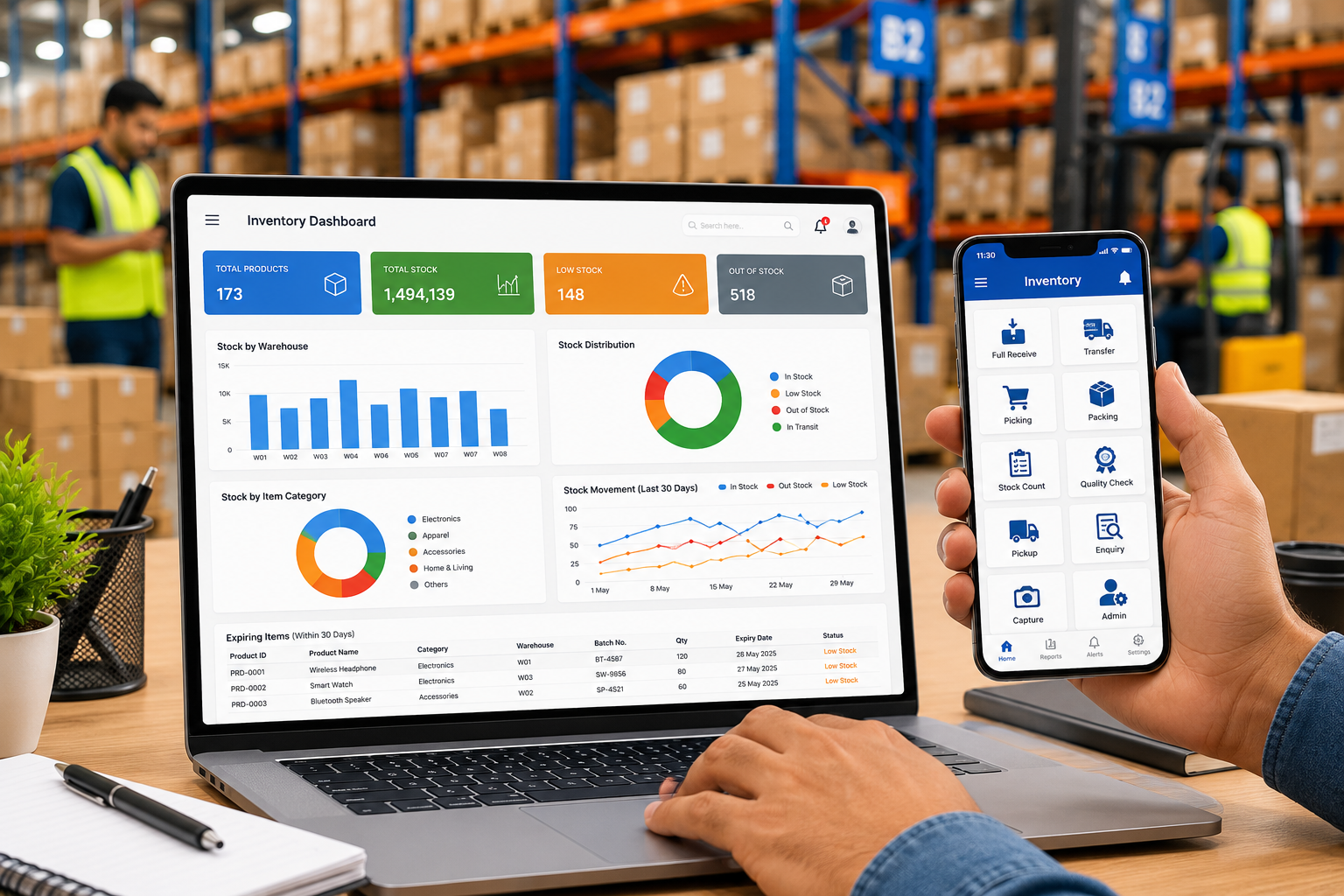
A successful Retail ERP implementation begins with detailed business process analysis, operational requirement gathering, solution architecture, workflow design, system configuration, store-specific customization, conference room pilots (CRP), user acceptance testing (UAT), performance validation, and carefully planned go-live deployment. Every implementation is tailored to the retailer's operational model to ensure a smooth transition and long-term business success.
Data Migration Process
Migrating from legacy retail software, spreadsheets, POS systems, accounting applications, or multiple disconnected systems requires careful planning and execution. Our migration process includes data cleansing, product master validation, supplier and customer data mapping, inventory reconciliation, historical sales migration, financial data transfer, pricing synchronization, loyalty program migration, open purchase and sales orders, and current stock balance verification to ensure complete data integrity before go-live.
User Training & Change Management
Role-based training equips every user—from cashiers, store managers, warehouse teams, procurement staff, customer service representatives, finance professionals, and regional managers to business owners—with the knowledge and confidence to use the Retail ERP system effectively. Comprehensive training, process documentation, and change management programs help maximize user adoption, improve productivity, and ensure consistent operational excellence across the organization.
Ongoing Support & Continuous Optimization
Our post-implementation support services include dedicated helpdesk assistance, proactive system monitoring, software updates, performance optimization, security enhancements, bug fixes, feature enhancements, regulatory compliance updates, user assistance, and continuous business process consulting. As your retail business expands through new stores, additional sales channels, or evolving customer expectations, Logicraftz Solutions LLP ensures your Retail ERP Software continues to scale, perform efficiently, and support your long-term growth objectives.
Feature and Comparison Matrices
Retail ERP Deployment Options Comparison
| Feature | Cloud Retail ERP | On-Premise Retail ERP | Hybrid Retail ERP |
|---|---|---|---|
| Hosting | Secure Cloud Infrastructure | Local Enterprise Servers | Cloud & Local Infrastructure |
| Upfront Cost | Low Initial Investment | Higher Capital Investment | Moderate Investment |
| Maintenance | Managed by Logicraftz | Managed by Internal IT Team | Shared Management |
| Accessibility | Access Anytime, Anywhere | Office & Local Network Access | Flexible Remote & On-Site Access |
| Scalability | Highly Scalable | Hardware Dependent | Flexible Scalability |
Retail Business Types Supported
| Retail Business Type | Typical Industries | ERP Focus Area |
|---|---|---|
| Supermarket & Grocery Retail | Supermarkets, Hypermarkets, Grocery Chains | Inventory Management, POS, Expiry Tracking, Promotions, Multi-Store Operations |
| Fashion & Apparel Retail | Clothing Stores, Fashion Brands, Footwear Retailers | Product Variants, Size & Colour Management, Seasonal Collections, Omnichannel Sales |
| Electronics & Appliance Retail | Consumer Electronics, Mobile Stores, Appliance Retailers | Serial Number Tracking, Warranty Management, Product Configuration, After-Sales Service |
| Furniture & Home Décor Retail | Furniture Stores, Home Furnishing Retailers | Product Configuration, Warehouse Management, Delivery Scheduling, Custom Orders |
| Pharmacy & Healthcare Retail | Pharmacies, Medical Stores, Healthcare Retailers | Batch Traceability, Expiry Management, Regulatory Compliance, Prescription Management |
Frequently Asked Questions
60 Detailed Retail ERP Software Questions & Answers
Comprehensive answers to the most frequently asked questions about Retail ERP Software, implementation, inventory management, POS integration, omnichannel retail
Q1: What is the main purpose of Retail ERP Software?
The primary purpose of Retail ERP Software is to integrate procurement, inventory, point of sale (POS), warehouse management, customer relationship management (CRM), finance, eCommerce, and business analytics into one centralized platform, improving operational efficiency and business visibility.
Q2: How is Retail ERP different from accounting software?
Accounting software primarily manages financial transactions, whereas Retail ERP Software manages the complete retail operation, including procurement, inventory, POS, warehouse operations, customer engagement, sales, finance, and reporting.
Q3: What is inventory replenishment in Retail ERP?
Inventory replenishment automatically calculates reorder quantities based on sales trends, current stock levels, supplier lead times, seasonal demand, and minimum stock thresholds to prevent stock shortages and overstocking.
Q4: What is Product Master in Retail ERP?
A Product Master is a centralized database containing product information such as SKU, barcode, category, brand, pricing, tax rules, product variants, supplier details, inventory classification, and specifications.
Q5: How does Retail ERP manage multi-store operations?
Retail ERP synchronizes inventory, pricing, promotions, customer information, and financial data across multiple stores, warehouses, and online sales channels in real time.
Q6: How does Retail ERP improve inventory management?
It provides real-time stock visibility, automated replenishment, barcode tracking, inventory forecasting, and warehouse management to improve inventory accuracy and reduce losses.
Q7: What is warehouse management in Retail ERP?
Warehouse management controls goods receipt, storage, picking, packing, stock transfers, replenishment, dispatch, inventory counting, and warehouse productivity.
Q8: Can Retail ERP manage product returns and exchanges?
Yes. It automates return approvals, exchanges, refunds, warranty claims, reverse logistics, inventory adjustments, and customer communication.
Q9: What is demand forecasting in Retail ERP?
Demand forecasting uses AI and historical sales data to predict customer demand, helping retailers optimize purchasing and inventory planning.
Q10: Does Retail ERP support barcode and QR code scanning?
Yes. Barcode and QR code technology enables fast billing, inventory tracking, stock verification, warehouse operations, and product traceability.
Q11: How long does it take to implement Retail ERP?
Implementation generally takes 3 to 9 months, depending on the number of stores, business complexity, required customizations, and data migration requirements.
Q12: What is the cost of Retail ERP Software?
Pricing depends on deployment model, number of users, business size, required modules, integrations, and customization requirements.
Q13: What is Cloud Retail ERP?
Cloud Retail ERP is hosted on secure cloud infrastructure and accessed through the internet, eliminating the need for expensive on-premise servers.
Q14: Is Cloud Retail ERP secure?
Yes. Enterprise-grade cloud platforms provide encryption, multi-factor authentication, automated backups, disaster recovery, and continuous security monitoring.
Q15: What is On-Premise Retail ERP?
On-Premise Retail ERP is installed on servers within the organization's infrastructure, providing complete control over hardware and data.
Q16: Can small retail businesses use Retail ERP?
Yes. Modern Retail ERP solutions are scalable and suitable for supermarkets, fashion stores, pharmacies, electronics retailers, specialty stores, and growing retail businesses.
Q17: What are APIs in Retail ERP?
APIs enable Retail ERP to integrate with POS systems, eCommerce platforms, payment gateways, CRM software, logistics providers, accounting applications, and third-party business systems.
Q18: Can Retail ERP manage multiple currencies?
Yes. It supports multi-currency transactions, exchange rates, international procurement, overseas suppliers, and global financial reporting.
Q19: What is batch and serial number tracking?
It tracks products through batch numbers, serial numbers, manufacturing details, expiry dates, supplier information, customer sales, warranties, and returns.
Q20: Why is product traceability important?
Product traceability improves quality control, regulatory compliance, warranty management, recalls, and customer service.
Q21: Does Retail ERP help forecast customer demand?
Yes. AI-powered forecasting analyses historical sales, seasonal demand, promotions, and customer buying behaviour to predict future demand.
Q22: Can Retail ERP integrate with POS systems?
Yes. Retail ERP integrates with Point of Sale systems to synchronize inventory, billing, pricing, customer data, and sales transactions.
Q23: How does Retail ERP integrate with eCommerce?
Retail ERP synchronizes products, inventory, online orders, payments, shipping, returns, and customer information across eCommerce platforms.
Q24: Can Retail ERP integrate with mobile applications?
Yes. Mobile apps allow managers to approve workflows, monitor sales, check inventory, receive alerts, and access business reports from anywhere.
Q25: Can Retail ERP manage omnichannel retail?
Yes. It integrates physical stores, online stores, marketplaces, mobile commerce, click-and-collect, and customer loyalty programs into one platform.
Q26: What is omnichannel retail?
Omnichannel retail delivers a seamless shopping experience by integrating physical stores, eCommerce websites, mobile apps, and marketplaces.
Q27: How does Retail ERP manage supplier relationships?
It tracks supplier performance, purchase orders, deliveries, lead times, pricing, contracts, and procurement history.
Q28: What is retail profitability analysis?
It evaluates product margins, store performance, promotional effectiveness, category profitability, and customer lifetime value.
Q29: Can Retail ERP automate purchase orders?
Yes. Purchase orders are generated automatically based on inventory levels, demand forecasts, and supplier lead times.
Q30: How does barcode scanning improve retail operations?
Barcode scanning accelerates billing, inventory updates, warehouse operations, stock audits, and order fulfilment while reducing manual errors.
Q31: Can Retail ERP manage customer loyalty programs?
Yes. It manages loyalty points, memberships, rewards, personalized offers, coupons, and customer retention campaigns.
Q32: Does Retail ERP support promotional pricing?
Yes. It manages discounts, promotional campaigns, bundle offers, coupons, seasonal pricing, and customer-specific pricing rules.
Q33: Can Retail ERP manage franchise operations?
Yes. It supports centralized inventory, pricing, procurement, financial consolidation, and reporting across franchise locations.
Q34: What is Hybrid Retail ERP?
Hybrid ERP combines cloud accessibility with on-premise infrastructure, offering flexibility, security, and scalability.
Q35: Does Retail ERP include HR and Payroll?
Yes. It manages employee records, attendance, payroll, shifts, commissions, incentives, and workforce performance.
Q36: How does Retail ERP support disaster recovery?
Automated backups, cloud replication, and disaster recovery planning ensure business continuity during unexpected events.
Q37: What is role-based access control?
It restricts access to data and functions based on employee roles, improving security and compliance.
Q38: Can Retail ERP integrate with payment gateways?
Yes. It integrates with digital wallets, UPI, cards, net banking, payment gateways, and financial institutions.
Q39: What is inventory visibility?
Inventory visibility provides real-time information about stock levels across stores, warehouses, and online sales channels.
Q40: How does Retail ERP reduce stock losses?
It uses barcode tracking, automated inventory audits, replenishment planning, expiry management, and demand forecasting to minimize inventory losses.
Q41: What are Retail ERP dashboards?
Interactive dashboards display KPIs including sales, inventory, profitability, customer trends, supplier performance, and financial analytics.
Q42: Can Retail ERP manage multiple retail locations?
Yes. Multi-store management enables centralized control over inventory, pricing, procurement, finance, and operations across all branches.
Q43: What is product catalogue management?
It centralizes product information including SKUs, pricing, categories, images, specifications, suppliers, and tax details.
Q44: How does Artificial Intelligence improve Retail ERP?
AI predicts demand, recommends replenishment, personalizes promotions, detects anomalies, optimizes pricing, and supports data-driven decisions.
Q45: What is the ROI of implementing Retail ERP?
ROI is achieved through improved inventory accuracy, increased sales, reduced operating costs, better customer retention, and higher productivity.
Q46: Why do Retail ERP implementations fail?
Common reasons include poor planning, insufficient user training, weak change management, inaccurate data migration, and lack of executive support.
Q47: How does Retail ERP manage pricing updates?
Pricing rules, promotions, tax changes, discounts, and product updates are synchronized automatically across all retail channels.
Q48: What is Business Intelligence in Retail ERP?
Business Intelligence converts operational and financial data into dashboards, reports, and actionable insights for management.
Q49: Does Retail ERP support GST compliance?
Yes. It supports GST calculations, e-invoicing, tax reporting, audit trails, statutory compliance, and financial reporting.
Q50: Can Retail ERP reduce operational costs?
Yes. Automation, inventory optimization, improved procurement, and efficient workforce management significantly reduce operating expenses.
Q51: What is Point of Sale (POS) integration?
POS integration synchronizes sales, inventory, pricing, customer information, and financial data with the ERP system in real time.
Q52: How does Retail ERP manage inventory transfers?
It automates inter-store transfers, warehouse replenishment, inventory allocation, and stock movement tracking.
Q53: Can Retail ERP manage warranty claims?
Yes. It tracks warranties, serial numbers, service requests, replacements, and customer support activities.
Q54: Can Retail ERP manage logistics?
Advanced Retail ERP integrates with logistics providers to manage shipping, deliveries, order tracking, and last-mile fulfilment.
Q55: What is supplier quotation management?
It automates RFQs, supplier quotations, comparative analysis, purchase approvals, and procurement decisions.
Q56: How does Retail ERP manage customer returns?
It handles return requests, approvals, refunds, exchanges, inventory updates, reverse logistics, and customer communication.
Q57: Is mobile access important for Retail ERP?
Yes. Mobile access enables managers to monitor stores, approve workflows, view dashboards, manage inventory, and respond quickly from anywhere.
Q58: What is IoT integration in Retail ERP?
IoT integration connects smart shelves, RFID sensors, barcode scanners, POS devices, temperature sensors, and warehouse automation systems for real-time monitoring.
Q59: How does Retail ERP improve cash flow?
Retail ERP optimizes inventory investment, accelerates sales cycles, automates billing, improves collections, and reduces excess inventory.
Q60: Why choose Logicraftz Solutions LLP for Retail ERP Software?
Logicraftz Solutions LLP delivers industry-specific Retail ERP Software tailored to supermarkets, fashion retailers, electronics stores, pharmacies, furniture retailers, specialty retailers, and multi-store businesses. Our experienced ERP consultants combine deep retail domain expertise with proven implementation methodologies, AI-powered automation, omnichannel integration, and continuous support to help retailers improve operational efficiency, enhance customer experiences, optimize inventory, and achieve sustainable business growth.
Retail ERP Glossary
Key Retail ERP Terms Explained Clearly
Product Master
A centralized repository containing complete product information, including SKU, barcode, product category, brand, pricing.
Inventory Replenishment
The automated process of calculating when and how much inventory should be reordered based on current stock levels, historical sales.
Point of Sale (POS)
The system used to process customer purchases, payments, billing, promotions, loyalty rewards, returns, exchanges.
Omnichannel Retail
A unified retail strategy that seamlessly connects physical stores, eCommerce websites, mobile applications, online marketplaces, social commerce platforms.
Stock Keeping Unit (SKU)
A unique identifier assigned to every retail product, enabling businesses to accurately track inventory, sales performance, replenishment, pricing, and warehouse operations across multiple retail locations.
Future Trends in Retail ERP
The Next Generation of Intelligent Retail Management
The retail industry is evolving rapidly as businesses embrace digital transformation, artificial intelligence, and data-driven decision-making. The next generation of Retail ERP Software will leverage Generative AI to simplify retail operations through natural language interactions. Instead of manually navigating reports or dashboards, retail managers will be able to ask questions such as, "Which products should be replenished before the weekend?", "Which stores have excess inventory?", or "Which promotional campaign generated the highest profit?" and receive instant, actionable insights.
Hyper-automation will connect Retail ERP platforms with smart warehouses, automated storage systems, self-checkout kiosks, RFID technology, robotic fulfilment centres, electronic shelf labels (ESL), and IoT-enabled inventory devices. These intelligent systems will automate inventory replenishment, warehouse operations, stock transfers, pricing updates, order fulfilment, and customer service processes while minimizing manual intervention.
Digital Twin technology will enable retailers to create virtual simulations of stores, warehouses, and supply chains before implementing operational changes. Businesses will be able to test new store layouts, optimize inventory allocation, forecast seasonal demand, evaluate promotional campaigns, and improve workforce planning without disrupting day-to-day operations.
Conclusion
Investing in Retail ERP Software is no longer optional for modern retail businesses—it has become a strategic necessity for staying competitive in today's fast-changing, customer-driven marketplace. As retailers manage multiple stores, eCommerce platforms, expanding product catalogues, evolving customer expectations, and increasingly complex supply chains, disconnected systems and manual processes can significantly impact efficiency, profitability, and customer satisfaction. A comprehensive Retail ERP Solution unifies procurement, inventory management, warehouse operations, point of sale (POS), customer relationship management (CRM), finance, analytics, and omnichannel retail into one intelligent platform, enabling retailers to operate with greater visibility, agility, and confidence.
Whether you operate a supermarket, fashion retail chain, electronics showroom, pharmacy, furniture retailer, jewellery business, specialty store, franchise network, or omnichannel retail enterprise, selecting a Retail ERP Software solution that aligns with your unique business processes is essential for achieving sustainable growth.
Transform Your Retail Business with Logicraftz Retail ERP
Replace disconnected systems with one intelligent platform that powers every aspect of your retail operations.
Centralize procurement, inventory management, point of sale (POS), warehouse operations, multi-store management, customer relationship management.
Logicraftz Solutions LLP, Mumbai
Phone: +91 2231982472 | Email: info@logicraftz.com