Engineering ERP Software • Engineering ERP Solutions • ERP for Engineering
The Definitive Guide to Engineering ERP Software
Control Project-Based Engineering, BOMs, Job Costing, Production, Quality, and Delivery with Intelligent ERP Automation
Last Updated: 9th June 2026 | Author: Dhiren Shah
Turn complex engineering projects into controlled, costed, and delivered work.
Engineering companies manage drawings, BOM revisions, quotations, customer-specific jobs, materials, machining operations, fabrication stages, vendor processes, inspection reports, dispatch commitments, and project costs at the same time. When estimates, design data, purchase orders, production plans, inventory, and finance are disconnected, delays, rework, cost overruns, and missed delivery dates become common. Engineering ERP Software brings every department onto one connected platform.
You need Engineering ERP Solutions that connect enquiry, estimation, design, procurement, planning, shop-floor execution, quality inspection, billing, and after-sales service into one reliable operational system.
Understanding Engineering ERP
One system for enquiry-to-delivery engineering control.
Engineering Enterprise Resource Planning software is a comprehensive business management system designed specifically for the unique needs of engineering organizations. It integrates all aspects of a engineering business into a single centralized database.
Unlike basic accounting software, ERP for Engineering manages technical and commercial workflows together. It tracks drawings, revisions, components, purchased parts, fabrication stages, machine operations, subcontracted work, inspection results, job costing, dispatch, and customer documentation so every order remains traceable from enquiry to delivery.
How Engineering ERP Works
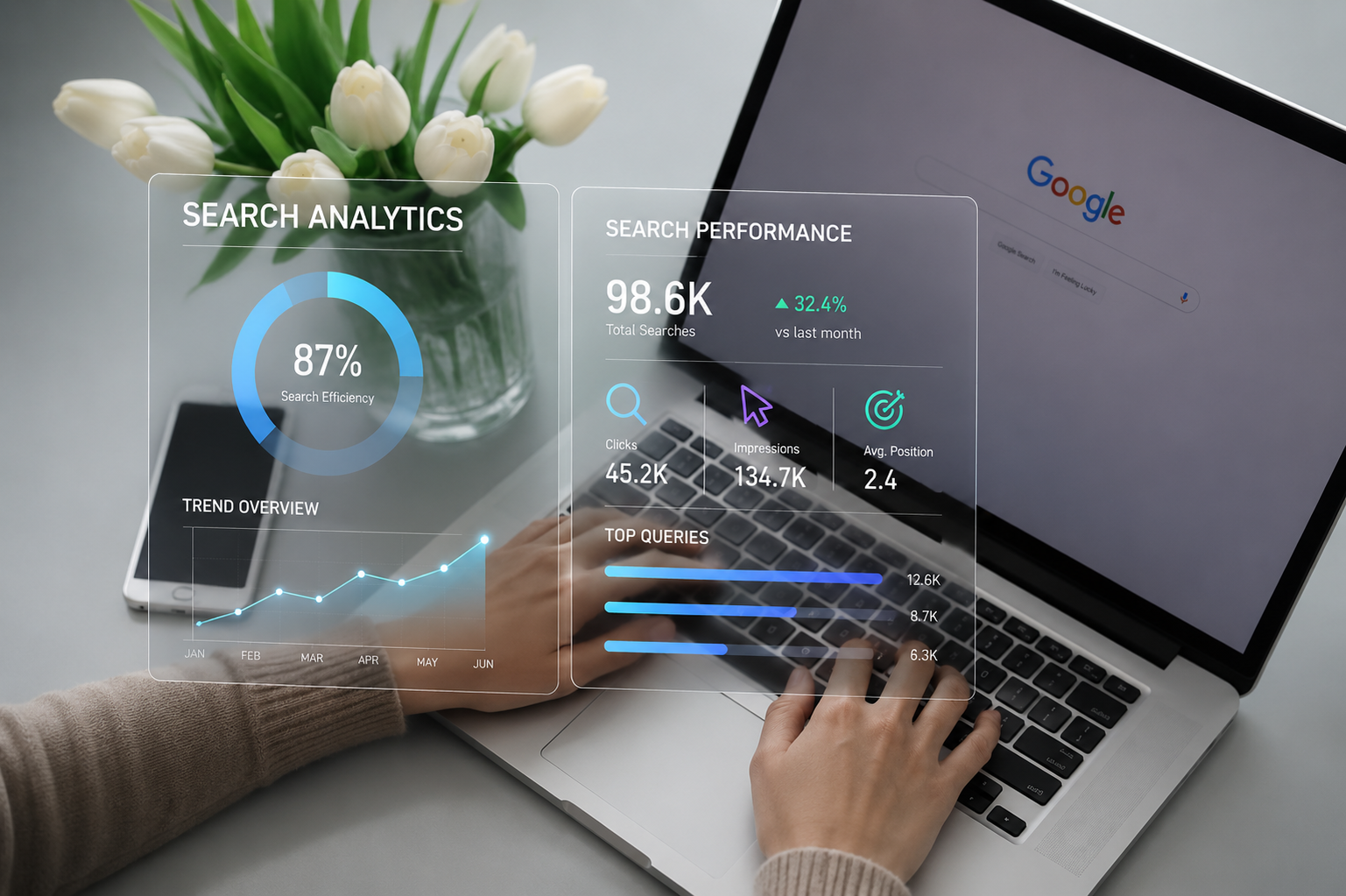
Engineering ERP starts from enquiry or quotation. Once an order is confirmed, the system converts estimates into BOMs, generates material requirements, checks stock, raises purchase requests, plans machine and manpower capacity, creates job cards, tracks operation-wise progress, records inspection results, updates job costing, and posts financial entries automatically. This gives management live control over cost, delivery, quality, and profitability.
Engineering ERP Architecture
Modern Engineering ERP architecture combines secure databases, workflow automation, approval engines, drawing and document controls, web dashboards, mobile access, shop-floor screens, reporting tools, and integration APIs. It can connect with CAD systems, accounting tools, supplier portals, barcode scanners, CNC monitoring systems, and customer portals for complete digital engineering operations.
Core Engineering ERP Modules
Engineering Planning and Job Execution Modules
Plan enquiries, engineering jobs, materials, machines, vendors, inspections, and delivery commitments with better control.
Project & Production Planning
Aligns engineering output with customer demand. It helps managers define what to produce, how much to produce, and when to produce it, balancing market requirements against engineering unit capacity.
Material & Component Planning
Calculates raw materials, bought-out components, fasteners, tools, consumables, subcontracted items, and spares required for every engineering job based on BOMs, drawings, stock levels, and pending orders.
Job Scheduling & Work Orders
Schedules job cards, machine operations, fabrication tasks, assembly stages, inspection checkpoints, and subcontract processes across work centers to reduce idle time and improve delivery performance.
Machine & Resource Capacity Planning
Analyzes CNC machines, fabrication bays, welding stations, assembly lines, operators, inspectors, and subcontractors to identify overloads and bottlenecks before commitments are missed.
Enquiry & Order Forecasting
Uses enquiry history, customer order patterns, project pipelines, repeat component demand, and sales forecasts to help purchase and production teams prepare materials and capacity in advance.
Engineering BOM Management
Maintains drawing-based BOMs, multi-level assemblies, part revisions, substitute materials, bought-out items, consumables, engineering change notes, and approved specifications for accurate production and costing.
Process Routing & Operation Sequencing
Defines each operation required for machining, cutting, welding, drilling, grinding, surface treatment, assembly, inspection, packing, and dispatch with standard time, setup time, and work center allocation.
Shop Floor Job Tracking
Tracks job cards, operation completion, operator time, WIP movement, rework, rejection, machine usage, subcontract status, and inspection clearance directly from the shop floor.
CNC & Machine Utilization Monitoring
Monitors machine uptime, downtime, cycle time, utilization, setup delays, job-wise productivity, and maintenance alerts for better control over expensive engineering resources.
Core Engineering ERP Modules
Material, Stores and Vendor Control Modules
Control raw materials, components, tools, consumables, subcontracted materials, stores, and vendor movements from purchase to final dispatch.
Raw Material & Component Inventory
Tracks steel, aluminium, castings, forgings, sheet metal, bought-out parts, bearings, motors, electrical items, tools, consumables, WIP, finished assemblies, and customer-supplied materials across locations.
Engineering Stores Management
Manages stores locations, bin-level stock, material issue slips, tool room inventory, reserved stock, inward inspection, packing lists, and dispatch readiness for engineering jobs.
Subcontracting & Supply Chain Control
Controls vendor lead times, subcontract operations, outside processing, material sent-out and received-back, supplier schedules, delivery commitments, and purchase follow-ups.
RFQ, Procurement & Purchase Management
Automates RFQs, comparative statements, purchase requisitions, purchase orders, inward receipts, inspection holds, vendor bills, approval workflows, and budget controls.
Vendor Qualification & Performance
Evaluates vendors and subcontractors based on price, delivery reliability, quality acceptance, rejection history, certification, and responsiveness for better sourcing decisions.
Barcode, QR & Material Issue Tracking
Uses barcode or QR scanning for material inward, issue to job, WIP transfer, inspection clearance, finished assemblies, packing, and dispatch to eliminate manual tracking errors.
Job, Serial & Material Traceability
Tracks material heat numbers, batch numbers, drawing revisions, job numbers, serial numbers, inspection records, subcontract history, and customer dispatch documentation.
Core Engineering ERP Modules
Commercial, Finance and Business Control Modules
Connect operations with costing, finance, sales, HR, quality, and maintenance.
Project Finance & Accounting
Includes general ledger, accounts payable, accounts receivable, fixed assets, and real-time financial statements linked to engineering activity.
Job Costing & Variance Analysis
Captures direct materials, direct labor, and engineering overhead to calculate true cost of goods sold and variance between standard and actual costs.
Quotation & Sales Order Management
Manages quotations, customer orders, delivery dates, invoicing, and production triggers based on actual capacity.
CRM
Tracks leads, sales pipelines, customer communication, and retention workflows.
HR and Payroll
Manages employee records, attendance, shifts, payroll, piece-rate wages, and overtime linked to shop-floor data.
Inspection & Quality Management
Controls inspection plans, test results, non-conformance reports, and corrective actions throughout production.
Maintenance and Preventive Maintenance
Schedules equipment servicing based on calendar dates or usage metrics to prevent breakdowns and extend machine life.
Advanced Technologies and Integrations
Built for Industry 4.0 engineering.
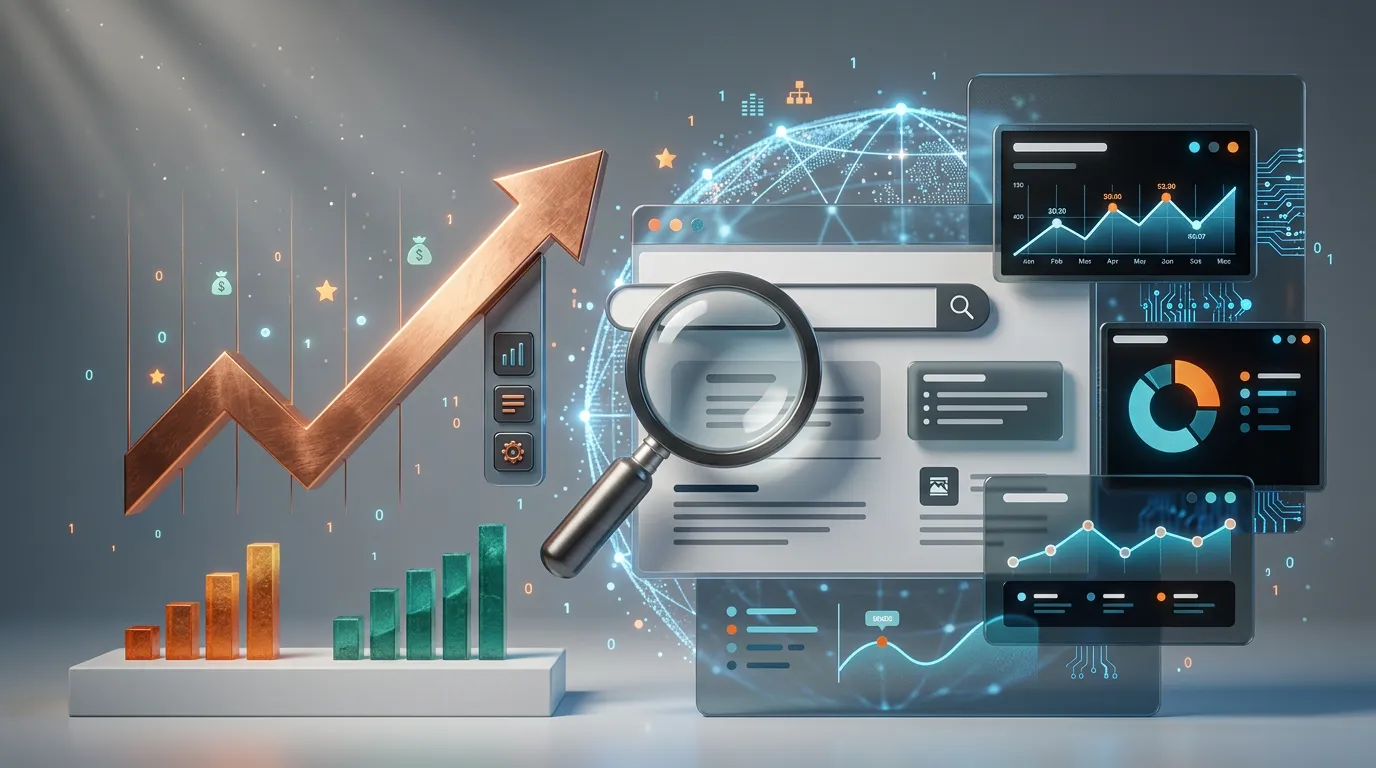
Engineering is evolving rapidly. Modern ERP systems must integrate with IoT, AI, BI, MES, SCADA, CAD, e-commerce, APIs, security, backup, and compliance systems to deliver connected engineering unit intelligence.
IoT Enabled ERP
IoT devices feed temperature, vibration, pressure, and machine data into ERP to trigger alerts and maintenance actions.
AI Engineering ERP
Artificial Intelligence optimizes schedules, predicts disruptions, and improves demand forecasting beyond traditional methods.
Business Intelligence, Reports, and Dashboards
BI converts raw data into visual KPIs for CEOs, plant managers, and department heads.
MES Integration
Engineering Execution Systems bridge ERP planning and shop-floor execution.
SCADA and PLC Integration
ERP can read machine states directly from SCADA and PLC systems without manual intervention.
CAD Integration
Engineering changes and product designs can update BOMs directly in ERP.
E-Commerce Integration
Online orders flow into ERP while customers see accurate real-time inventory.
Workflow Automation and Approval Management
Purchase requests, engineering changes, and approvals move digitally to the right managers.
Cloud, On Premise, and Hybrid ERP
Cloud reduces upfront cost, on-premise offers control, and hybrid balances flexibility with security needs.
API Integration
APIs connect ERP with logistics providers, tax software, portals, and legacy systems.
Security and Role Based Access
Granular permissions ensure each user only accesses relevant data.
Data Backup and Disaster Recovery
Encrypted backups and recovery planning protect operations during hardware failure or cyberattack.
Compliance Management
Supports GST e-invoicing, e-way bills, multi-currency, export needs, and international tax regulations.
Industry-Specific Engineering ERP Solutions
Configured for different engineering models.
Different engineering sectors have entirely different operational models. A one-size-fits-all approach fails on the engineering unit floor. The software must adapt to specific industry demands.
Automobile and Automotive Components
Requires strict delivery schedules, EDI capabilities, quality traceability, multi-level BOMs, and release accounting for OEMs.
Engineering and Tool Rooms, CNC Shops
Supports project-based engineering, tolerance checks, custom fabrication orders, job costing, and engineering changes.
Machinery and Industrial Equipment
Manages long lead times, sub-assemblies, serialized components, spare parts, and maintenance contracts.
Chemical, Paint, Plastic, and Rubber
Handles recipes, by-products, co-products, shelf-life tracking, and unit-of-measure conversions.
Packaging
Optimizes high-speed production, material consumption, yield, and custom printing requirements.
Food, Pharmaceutical, and Medical Device
Supports quality holds, electronic signatures, cleanroom scheduling, and lot traceability for regulated production.
Steel, Aluminium, Wire and Cable
Manages grade, weight, length, continuous production, melting or extrusion losses, and variable characteristics.
Electrical and Electronics
Supports component approvals, serial tracking, warranty management, and fast-changing supply chains.
Textile and Garment
Manages style, color, size, dye lots, matrix inventory, and cutting room processes.
Ceramic, Foundry, Casting, and Forging
Tracks heat numbers, molds, energy-intensive processes, scrap recovery, and production quality.
Furniture and Woodworking
Handles product configuration, dimensional inventory, and raw-material cutting optimization.
Construction Material
Supports bulk material handling, fleet dispatch, delivery zones, and dynamic pricing models.
Printing and Paper
Manages estimation, paper rolls, job-based workflows, inks, finishes, and production specifications.
FMCG and Consumer Goods
Supports fast-moving stock, promotional pricing, retail distribution, and high-volume order processing.
Renewable Energy, Solar, and Battery Engineering
Tracks components, warranties, lifecycle traceability, and environmental compliance.
Aerospace, Defence, and Shipbuilding
Supports project engineering, secure data, progress billing, compliance, and detailed quality documentation.
OEM, Contract Engineering, and Job Work
Manages customer-supplied inventory, dynamic quoting, capacity reservation, and third-party processing.
The Logicraftz Solutions LLP Advantage
ERP implementation focused on measurable outcomes.
Logicraftz Solutions LLP is a premier ERP software company based in Mumbai, specializing in digital transformation for the engineering sector. We do not just sell software; we deliver business outcomes.
Uncontrolled Material & WIP
Logicraftz implements barcode-driven, real-time inventory tracking, eliminating blind spots and reducing carrying costs.
Delayed Engineering Jobs
Our dynamic production scheduling engine optimizes machine usage and provides early warnings for material shortages.
Disconnected Departments
We provide a unified platform where sales, production, and finance share the same real-time data, eliminating siloed operations.
Compliance Headaches
Logicraftz ERP features built-in GST compliance, automated e-invoicing, and strict quality traceability to ensure audit readiness.
Implementation, Migration, and Support
A structured rollout for safer ERP launch.
A successful ERP rollout requires a systematic approach covering discovery, design, configuration, migration, testing, training, go-live, and support.
Implementation Process
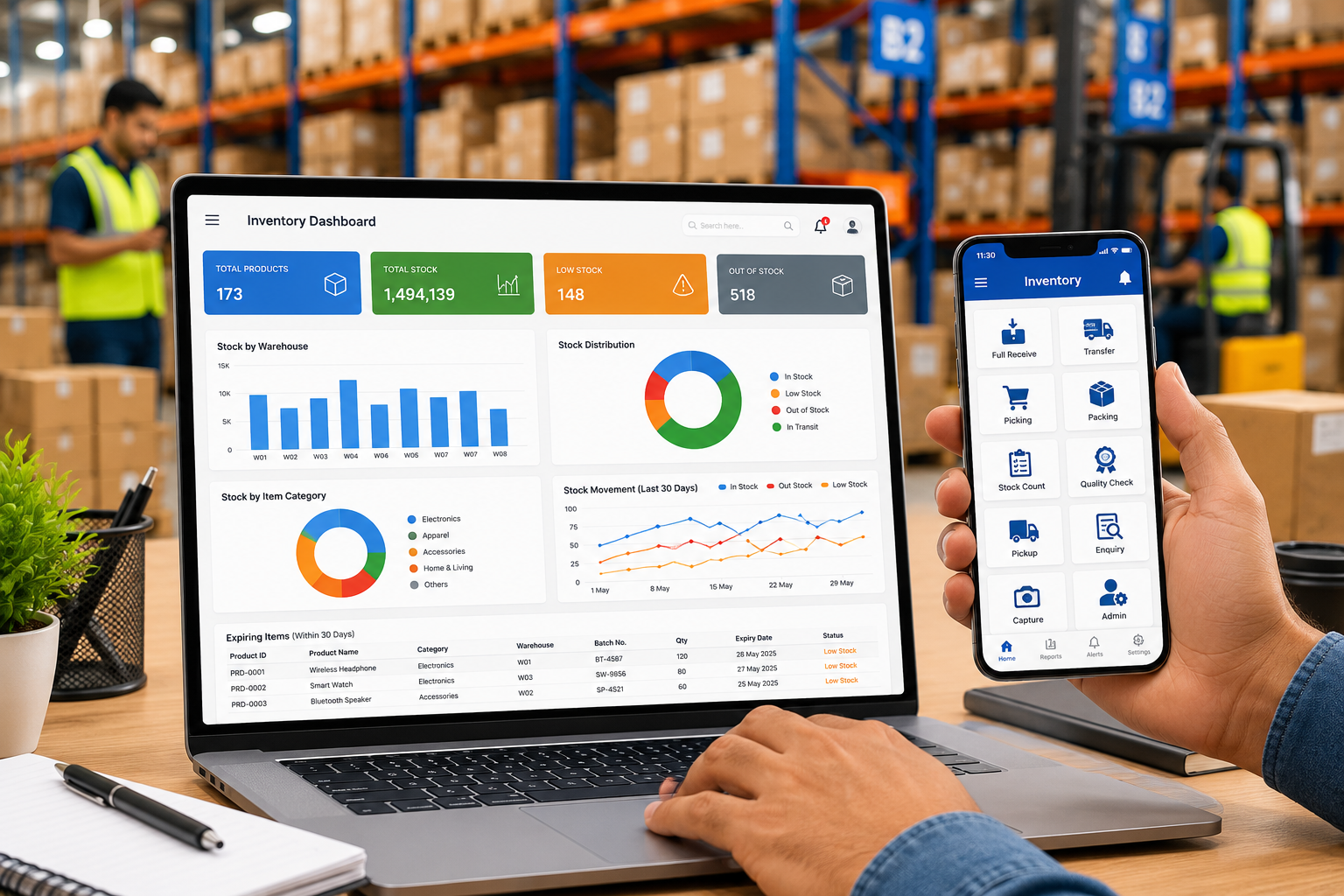
A successful ERP rollout begins with requirement gathering, solution design, configuration, conference room pilots, user acceptance testing, and go-live planning.
Migration Process
Legacy spreadsheets and old systems require careful data cleansing, mapping, historical data migration, open orders, and current inventory balances.
Training
Role-based training ensures every employee, from shop-floor users to CFOs, understands how to use the system effectively.
Support
Post-implementation support includes helpdesk access, updates, bug fixes, and continuous improvement consulting as the business grows.
Feature and Comparison Matrices
Deployment Options Comparison
| Feature | Cloud Engineering ERP | On Premise ERP | Hybrid ERP |
|---|---|---|---|
| Hosting | Remote Servers | Local Servers | Mixed Environment |
| Upfront Cost | Low | High | Medium |
| Maintenance | Handled by Vendor | Handled by Internal IT | Shared Responsibility |
| Accessibility | Anywhere via Web | Restricted to Local Network | Flexible |
| Implementation Speed | Fast | Slow | Moderate |
Engineering Types Supported
| Engineering Mode | Typical Industries | ERP Focus Area |
|---|---|---|
| Discrete Engineering ERP | Precision Components, Machinery | BOM Management, Process Routing & Operation Sequencing, Assembly |
| Engineer-to-Order ERP | Custom Machinery, Tooling | Project BOM, Milestones, Costing |
| Fabrication Batch Control | Fabrication, Sheet Metal | Lot Grouping, Inspection Stages |
| Job Shop Engineering ERP | Tool Rooms, CNC Shops | Estimating, Flexible Process Routing & Operation Sequencing |
| Component Repetition Control | Repeat Parts, Assemblies | Cycle Time, Job Closure |
Frequently Asked Questions
60 detailed Engineering ERP answers.
Detailed answers to the most common questions regarding engineering ERP systems.
Q1: What is the main purpose of Engineering ERP?
The main purpose is to integrate all business functions into a single system to improve efficiency, reduce costs, and provide real-time visibility into operations.
Q2: How is Engineering ERP different from standard accounting software?
Accounting software manages money; Engineering ERP manages the entire physical production process, materials, machines, and the money tied to them.
Q3: What is Material & Component Planning in engineering?
Material Requirements Planning determines exactly what materials are needed, in what quantities, and when they are needed for production.
Q4: What does BOM stand for?
BOM stands for Bill of Materials, the comprehensive recipe or structural list of all components and materials needed to build a product.
Q5: What is routing in engineering software?
Process Routing & Operation Sequencing outlines the specific steps, machines, and labor required to transform raw materials into finished assemblies.
Q6: How does an ERP system improve inventory management?
It provides real-time tracking, automates reorder points, reduces excess stock, and supports barcode scanning for accuracy.
Q7: What is shop floor control?
It is the process of tracking engineering unit activities in real time, including job status, worker productivity, and machine usage.
Q8: Can ERP software handle quality control?
Yes, it manages inspection plans, records test results, and isolates defective batches to prevent them from reaching customers.
Q9: What is capacity planning?
It determines the production capacity needed to meet changing demand for products.
Q10: Does ERP software support predictive maintenance?
Advanced ERPs use IoT data to predict machine failures and schedule maintenance before breakdowns occur.
Q11: How long does it take to implement a engineering ERP?
Implementation typically takes between 3 to 9 months depending on company size and process complexity.
Q12: What is the cost of engineering ERP software?
Costs vary by user count, required modules, deployment type, and customization level.
Q13: What is Cloud Engineering ERP?
It is an ERP system hosted on remote vendor servers and accessed via the internet, reducing local hardware needs.
Q14: Is cloud ERP secure for engineering companies?
Yes, reputable providers offer enterprise-grade security, encryption, and automated backups.
Q15: What is On-Premise ERP?
Software installed and maintained on physical servers located inside the engineering facility.
Q16: Can small engineering companies use ERP?
Yes, SME Engineering ERP systems provide scalable features at suitable price points.
Q17: What is an API in the context of ERP?
An API allows ERP to communicate and share data with other software applications.
Q18: How does ERP handle multi-currency transactions?
It updates exchange rates and supports purchase orders, sales orders, and accounting across currencies.
Q19: What is lot traceability?
It tracks a specific batch of material from supplier to production and final customer.
Q20: Why is traceability important in food engineering?
It supports compliance and allows rapid targeted recalls if contamination is discovered.
Q21: Does ERP help with demand forecasting?
Yes, it analyzes historical sales and seasonal trends to predict future demand.
Q22: What is an MES system?
A Engineering Execution System controls and monitors engineering operations on the shop floor.
Q23: How does MES integrate with ERP?
ERP handles planning and business logic while MES handles real-time execution; both exchange data to stay synchronized.
Q24: Can ERP integrate with CAD software?
Yes, CAD integration can transfer engineering designs and BOMs into ERP.
Q25: What is discrete engineering?
It is the production of distinct countable items such as cars, smartphones, or furniture.
Q26: What is process engineering?
It is the production of goods mixed, boiled, blended, or processed by recipe, such as chemicals, paint, or beverages.
Q27: How does ERP manage sub-contracting or job work?
It tracks material sent to third-party vendors, external processing costs, and received finished components.
Q28: What is production costing?
It calculates the full cost of engineering, including materials, labor, machine costs, and overhead.
Q29: How does ERP calculate standard vs actual costs?
It compares expected baseline cost with actual cost incurred during engineering to identify variances.
Q30: What role does barcode scanning play in ERP?
It speeds data entry, reduces manual errors, and enables immediate material tracking.
Q31: Can ERP automate purchase orders?
Yes, it can generate purchase orders when inventory drops below defined thresholds.
Q32: What is vendor performance management?
It tracks suppliers by delivery time, pricing, and quality to improve supply chain reliability.
Q33: How does ERP support sales order management?
It tracks orders, checks inventory, calculates delivery dates, and triggers production when required.
Q34: What is a hybrid ERP deployment?
It combines cloud functions with on-premise data or operations.
Q35: Does engineering ERP include HR functions?
Yes, comprehensive ERP includes HR, attendance, shifts, payroll, and shop-floor labor tracking.
Q36: How does ERP aid in disaster recovery?
Automated backups, especially in cloud environments, restore critical business data after failures.
Q37: What is role-based access control?
It restricts system access based on employee job function to protect data.
Q38: Can ERP integrate with e-commerce platforms?
Yes, it connects online orders to fulfillment and inventory data.
Q39: What is supply chain visibility?
It is the ability to track components and products in transit with accurate timelines and risk assessment.
Q40: How does ERP help with preventive maintenance?
It schedules servicing based on usage hours or calendar dates to reduce downtime.
Q41: What is OEE in engineering?
Overall Equipment Effectiveness measures machine availability, performance, and quality output.
Q42: Can an ERP system operate multiple engineering unit locations?
Yes, multi-site ERP manages inventory, transfers, and consolidated financials across plants.
Q43: What is a phantom BOM?
A temporary assembly in a BOM that is not stocked but built as a transient engineering step.
Q44: How does AI improve engineering ERP?
AI analyzes data to optimize schedules, predict delays, and automate routine tasks.
Q45: What is the ROI of implementing an ERP?
ROI comes from lower inventory holding costs, higher throughput, reduced scrap, and lower administrative effort.
Q46: Why do ERP implementations fail?
Common reasons include weak change management, lack of executive sponsorship, poor training, and undefined processes.
Q47: How does an ERP handle engineering change orders?
It tracks revisions, updates BOMs, and notifies the shop floor to avoid outdated specifications.
Q48: What is Business Intelligence in ERP?
BI tools generate dashboards and insights from operational and financial data.
Q49: Does ERP handle compliance like GST?
Yes, localized ERPs can manage GST calculations, e-invoicing, and e-way bill generation.
Q50: Can ERP reduce scrap and rework?
Yes, by enforcing quality checks and accurate machine setup instructions.
Q51: What is a production routing sheet?
It details steps and work centers required to manufacture an item.
Q52: How does ERP manage scrap materials?
It records scrap quantity, calculates financial loss, and can manage recyclable scrap sale.
Q53: What is backflushing in engineering?
It automatically deducts components from inventory based on finished assemblies produced.
Q54: Can an ERP manage fleet and logistics?
Advanced modules manage delivery routing, vehicle maintenance, and driver scheduling.
Q55: What is an RFQ in procurement?
A Request for Quotation sent to suppliers to secure pricing for raw materials.
Q56: How does ERP handle customer returns?
It manages return authorization, returned item tracking, credit notes, and rework scheduling.
Q57: Is mobile access important for engineering ERP?
Yes, mobile apps let supervisors approve workflows, check inventory, and monitor production.
Q58: What is IoT integration in ERP?
It connects sensors to ERP for real-time machine health, temperature, and output monitoring.
Q59: How does ERP software improve cash flow?
It optimizes inventory, accelerates engineering order lifecycles, and automates invoicing.
Q60: Why should I choose Logicraftz Solutions LLP for my ERP?
Logicraftz offers engineering expertise, proven implementation methods, and ERP tailored for the Indian engineering landscape.
Engineering ERP Glossary
Key terms explained clearly.
Bill of Materials: A comprehensive list of parts, items, assemblies, and materials required to create a product.
Lead Time: The total time required to manufacture an item, from order placement to delivery.
Work in Progress: Materials and components that have entered production but are not yet finished assemblies.
Process Routing & Operation Sequencing: The sequence of operations through which a product must pass during engineering.
Scrap: Material outside specifications that is impractical to rework.
Throughput: The rate at which a engineering system produces finished assemblies over a period.
Yield: The amount of acceptable product generated compared with initial raw materials used.
Future Trends in Engineering ERP
The next generation of intelligent factories.
The engineering software landscape is evolving rapidly. Future iterations of ERP will rely heavily on Generative AI to interact with users through natural language. Instead of navigating menus, a plant manager will simply ask the system, “Show me the impact on production if our steel delivery is delayed by three days.”
Hyper-automation will connect ERPs directly to autonomous mobile robots on the warehouse floor, automating the physical movement of materials based on system commands. Digital Twin technology will allow engineering companies to simulate production runs virtually before committing physical resources.
Sustainability tracking is also becoming a core feature. Future ERPs will calculate carbon footprints per product, helping engineering companies comply with global environmental regulations and meet corporate sustainability goals.
Conclusion
Investing in Engineering ERP Software is no longer a luxury for large enterprises; it is a critical necessity for survival in a competitive, fast-paced global market. From managing complex bills of materials to ensuring strict quality compliance and automating financial ledgers, the right system transforms a chaotic engineering unit floor into a synchronized, efficient, and profitable operation.
Whether you operate in automotive components, pharmaceutical process engineering, or custom fabrication, selecting a solution that aligns with your specific industry needs is paramount.
Logicraftz Solutions LLP stands ready to guide your digital transformation journey. As a premier ERP software company in Mumbai, we have the technology, expertise, and dedication to help your engineering business scale new heights.
Do not let outdated spreadsheets and disconnected processes hold your engineering unit back.
Transform Your Engineering Operations with Logicraftz ERP
Stop spreadsheet chaos and centralize your engineering unit operations.
Centralize production, inventory, quality, finance, and supply chain with a scalable Engineering ERP solution.
Logicraftz Solutions LLP, Mumbai
Phone: +91 2231982472 | Email: info@logicraftz.com