
Healthcare ERP Software • Healthcare ERP Solutions • ERP for Healthcare
The Definitive Guide to Healthcare ERP Software
Connect Patient Registration, OPD, IPD, Pharmacy, Laboratory, Radiology, Billing, Insurance, Inventory, Finance, HR, and Multi-Facility Reporting on One Secure Platform
Last Updated: 10th July 2026 | Author: Logicraftz Solutions LLP
Bring patient care, administration, clinical services, and finance into one coordinated operating system.
Hospitals, clinics, diagnostic centres, and healthcare groups manage patient registration, appointments, OPD consultations, IPD admissions, wards, beds, nursing activities, pharmacy dispensing, laboratory tests, radiology orders, insurance approvals, package billing, biomedical assets, staff rosters, and statutory records every day. When these workflows run through separate systems, spreadsheets, and manual registers, teams face duplicate data entry, delayed discharge, billing leakage, medicine stock-outs, missed authorisations, weak traceability, and inconsistent patient experiences.
Healthcare ERP Software connects clinical, administrative, commercial, and support functions through a shared data platform. A patient, payer, doctor, service, medicine, test, invoice, inventory transaction, and financial posting can be tracked from the first appointment through treatment, discharge, settlement, and follow-up. This helps healthcare organisations improve operational control without disrupting the specialised systems used by doctors, nurses, laboratories, radiology teams, and revenue-cycle staff.
Understanding Healthcare ERP
One connected platform for patient-to-payment and facility-wide control.
Healthcare ERP Software is an integrated business and operations platform designed for hospitals, clinics, diagnostic centres, pharmacies, and multi-facility healthcare networks. It unifies patient administration, appointments, admissions, billing, procurement, medical inventory, finance, human resources, assets, compliance, and management reporting around a common master-data structure.
Unlike basic accounting software or a stand-alone hospital information system, Healthcare ERP combines clinical-adjacent workflows with enterprise controls. It can exchange information with HIS, EMR, LIS, RIS, PACS, pharmacy, payment, insurance, and government systems while maintaining role-based access, audit trails, approval workflows, and financial integrity across departments and locations.
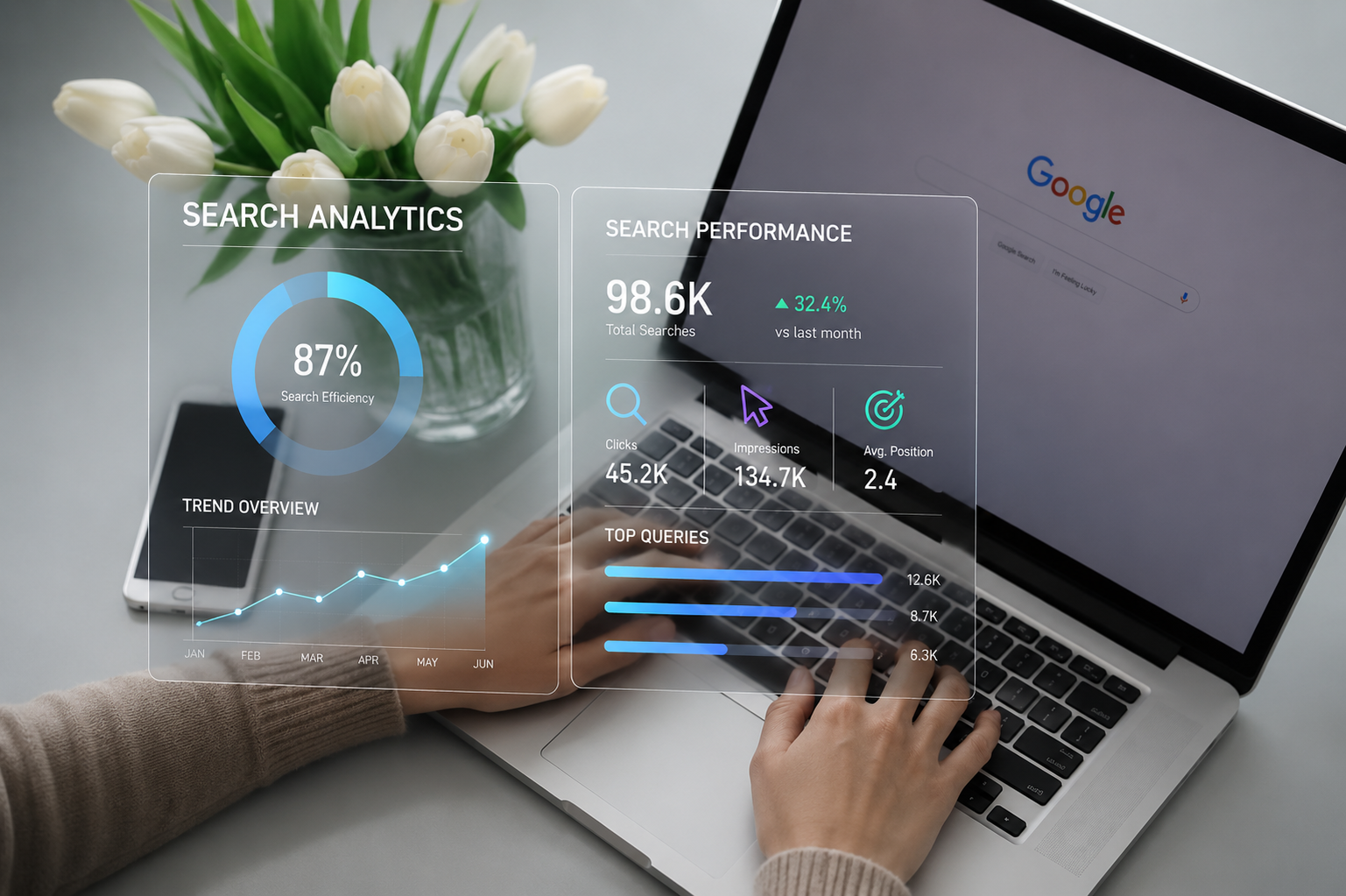
How Healthcare ERP Works
The workflow usually begins with patient registration or an appointment. The system creates or retrieves the patient record, verifies payer or insurance details, schedules services, captures OPD or IPD activity, issues pharmacy and diagnostic orders, records consumables, calculates charges, manages approvals, prepares bills, posts receipts and claims, updates stock, and transfers financial entries to the general ledger. Managers receive live visibility into occupancy, revenue, receivables, service volumes, inventory, doctor performance, and facility profitability.
Healthcare ERP Architecture
A modern Healthcare ERP architecture combines a secure central database, web and mobile interfaces, workflow engines, integration APIs, reporting tools, audit logs, master-data controls, and configurable access by role and facility. It can connect with HIS, EMR/EHR, LIS, RIS, PACS, pharmacy systems, barcode devices, payment gateways, insurer and TPA portals, attendance devices, biomedical equipment platforms, and business intelligence tools.
Core Healthcare ERP Modules
Patient Care and Clinical Operations Modules
Coordinate patient flow, clinical support services, beds, diagnostics, medication, and discharge with real-time operational visibility.
Patient Registration and Unified Patient Master
Creates a unique patient identity and maintains demographics, contact details, consent, payer information, allergies, alerts, and visit history. Duplicate checks and controlled edits help preserve a reliable record across OPD, IPD, diagnostics, pharmacy, and multiple facilities.
Appointment, Queue and Doctor Schedule Management
Manages specialty-wise calendars, doctor availability, walk-ins, token queues, rescheduling, cancellations, reminders, and resource booking. Front-desk teams can reduce waiting time while departments receive an accurate view of expected patient load.
OPD Consultation and Encounter Workflow
Connects registration, consultation, orders, prescriptions, procedures, follow-up dates, and billing for outpatient visits. It supports specialty templates and integrates with EMR systems so operational and financial events stay aligned.
IPD Admission, Transfer and Discharge
Controls admission requests, bed allocation, consultant assignment, nursing station movement, room transfers, deposits, package tracking, discharge clearance, final billing, and discharge summaries. Each step can follow configurable approvals and status checks.
Bed, Ward and Nursing Station Management
Displays real-time occupancy, reserved beds, isolation requirements, housekeeping status, ward category, nursing assignment, and expected discharge. This helps admission teams improve bed turnaround and avoid manual coordination across wards.
Pharmacy and Medication Management
Supports prescription validation, formulary controls, dispensing, substitutions, batch and expiry selection, controlled-drug records, returns, ward stock, and patient billing. Stock movements remain linked to the patient, prescriber, location, and transaction.
Laboratory Order and Sample Workflow
Tracks test orders, sample collection, barcode labels, accession numbers, outsourcing, result status, repeat testing, consumable usage, and billing. Integration with LIS allows the ERP to receive order and completion data without re-entering clinical results.
Radiology, Imaging and Procedure Scheduling
Coordinates imaging orders, modality schedules, contrast and consumable usage, radiologist assignment, procedure status, reporting milestones, and charges. RIS and PACS integration keeps operational data synchronized with images and reports.
Insurance, TPA and Patient Discharge Coordination
Manages eligibility, pre-authorisation, enhancement requests, package limits, exclusions, document checklists, claim preparation, settlement differences, and patient responsibility. Discharge teams can monitor pending approvals and reduce avoidable delays.
Core Healthcare ERP Modules
Medical Inventory, Procurement and Supply Chain Modules
Control medicines, consumables, implants, reagents, devices, expiry dates, vendors, stores, and internal distribution across every facility.
Medical Inventory and Multi-Store Control
Tracks medicines, surgical consumables, implants, reagents, linen, stationery, and general supplies across central stores, pharmacies, wards, theatres, laboratories, and satellite locations. Min-max levels, reservations, transfers, and consumption provide accurate availability.
Batch, Lot and Expiry Management
Maintains manufacturer batch, lot number, manufacture date, expiry date, MRP, purchase rate, and recall status. FEFO issue rules and expiry alerts reduce wastage and improve traceability for medicines, vaccines, reagents, and implants.
Procurement and Purchase Management
Automates indenting, approvals, RFQs, quotation comparison, purchase orders, goods receipt, invoice matching, and payment readiness. Department demand, contracted rates, lead times, and budget controls guide purchasing decisions.
Vendor Qualification and Contract Management
Stores licences, certifications, rate contracts, service-level terms, product approvals, tax details, delivery performance, and quality issues for suppliers. This helps procurement teams source compliant products and negotiate with evidence.
Warehouse, Pharmacy and Internal Distribution
Controls bin locations, cold-chain items, narcotics storage, ward issues, pharmacy replenishment, department transfers, returns, and stock counts. Barcode or QR scanning improves speed and accuracy at receiving, issue, and consumption points.
Implant, Device and High-Value Item Traceability
Links serialised implants, prostheses, stents, devices, and high-value consumables to the patient, procedure, surgeon, supplier, batch, and invoice. Consignment stock and usage-based purchasing can also be managed.
Medical Logistics and Inter-Facility Transfers
Plans stock transfers, emergency dispatches, specimen movement, pharmacy deliveries, and supply routes between hospitals, clinics, labs, and warehouses. Transit status and receiving confirmation provide chain-of-custody visibility.
Core Healthcare ERP Modules
Finance, Revenue and Hospital Administration Modules
Strengthen billing accuracy, payer collections, department costing, workforce management, compliance, and asset reliability.
Healthcare Finance and General Ledger
Posts patient billing, pharmacy sales, diagnostic revenue, procurement, payroll, fixed assets, taxes, receipts, refunds, and journal entries into an integrated chart of accounts. Facility, department, specialty, doctor, payer, and cost-centre reporting supports management control.
Service Costing and Profitability Analysis
Calculates the cost and margin of consultations, procedures, packages, rooms, tests, medicines, theatres, and departments using configured cost drivers. Managers can compare standard and actual costs to identify leakage and low-margin services.
Patient Billing and Revenue Cycle Management
Handles tariffs, packages, deposits, credit limits, concessions, doctor fees, pharmacy and diagnostic charges, split billing, refunds, cashless claims, receivables, and settlement. Automated charge capture reduces missed revenue.
Patient CRM and Care Engagement
Supports enquiry tracking, health-check campaigns, appointment reminders, referral sources, feedback, grievance handling, follow-up care, corporate relationships, and patient communication while respecting consent and access controls.
Healthcare HR, Rosters and Payroll
Manages doctors, nurses, technicians, administrators, contractual staff, attendance, shifts, on-call rosters, leave, payroll, credentials, training, and compliance documents. Facility and department deployment can be planned against workload.
Quality, Accreditation and Compliance
Maintains policies, incidents, complaints, CAPA, audits, infection-control observations, statutory registers, accreditation evidence, and quality indicators. Configurable workflows help organisations support NABH, NABL, ISO, and internal governance requirements.
Biomedical Assets, Facilities and Maintenance
Tracks medical equipment, calibration, preventive maintenance, breakdowns, AMC/CMC contracts, spare parts, service history, downtime, utility assets, and facility work orders. Maintenance can be prioritised by clinical criticality.
Connected Healthcare Technology
Healthcare ERP Technology and Integrations
Build a secure digital ecosystem around clinical systems, medical devices, analytics, mobile workflows, and enterprise applications.

HIS and EMR/EHR Integration
Connect registration, encounters, orders, diagnoses, prescriptions, discharge information, and billing events between the ERP and hospital or electronic medical record systems through secure APIs and controlled data mappings.
LIS, RIS and PACS Integration
Exchange laboratory and radiology orders, accession details, status updates, completion signals, and billing references with LIS, RIS, and PACS while clinical reports and images remain in their specialised systems.
AI for Healthcare Operations
Use AI to identify billing anomalies, forecast demand, predict stock-outs, prioritise collections, detect duplicate records, estimate occupancy, and highlight unusual operational patterns. Clinical decisions should remain governed by approved clinical systems and professionals.
Healthcare Business Intelligence Dashboards
Provide role-based dashboards for occupancy, average length of stay, OPD volume, revenue, payer mix, claims ageing, pharmacy margin, lab turnaround, inventory expiry, workforce utilisation, and facility profitability.
IoT and Biomedical Device Connectivity
Collect approved operational data from temperature sensors, cold rooms, utility meters, asset tags, and biomedical equipment monitoring platforms. Alerts can trigger maintenance, compliance, or inventory actions.
Mobile Apps for Doctors, Staff and Managers
Enable approved users to review schedules, authorisations, stock requests, maintenance tickets, dashboards, and workflow tasks from mobile devices. Access remains controlled by role, facility, device policy, and session security.
Workflow Automation and Approvals
Automate purchase approvals, concessions, refunds, insurance exceptions, stock adjustments, contract reviews, maintenance escalation, and discharge clearances with configurable thresholds, alerts, and complete audit trails.
Cloud Healthcare ERP
Deploy the platform in a managed cloud environment for faster scaling, centralised updates, secure remote access, and multi-facility reporting. Hosting architecture, data location, encryption, backup, and access policies should match organisational requirements.
On-Premise Healthcare ERP
Host the ERP within the healthcare organisation's own data centre when local infrastructure control, internal network dependency, or specific governance policies require it. The organisation manages servers, patching, redundancy, and capacity.
Hybrid Healthcare ERP
Combine on-premise clinical or legacy systems with cloud-based analytics, finance, CRM, or multi-facility services. Integration, identity management, monitoring, and recovery plans keep the hybrid environment controlled.
API and Payment Integration
Integrate payment gateways, POS terminals, insurer portals, TPA workflows, government interfaces, accounting tools, telemedicine platforms, corporate billing portals, and messaging services through documented APIs.
Security, Privacy and Role-Based Access
Apply least-privilege access, segregation of duties, encryption, audit logs, consent-aware workflows, password and session policies, and facility-based restrictions. Sensitive patient and financial information should be accessible only to authorised users.
Backup, Disaster Recovery and Business Continuity
Protect healthcare operations with scheduled backups, replication, recovery testing, failover plans, downtime procedures, and documented restoration objectives. Business continuity planning should cover registration, billing, pharmacy, diagnostics, and critical support services.
Healthcare Segments
Healthcare ERP for Different Care Models
Configure workflows, billing rules, inventory controls, and reporting for each type of healthcare organisation.
Multi-Speciality Hospitals
Need integrated OPD, IPD, specialty workflows, theatres, diagnostics, pharmacy, insurance, finance, HR, and enterprise reporting across complex departments.
Single-Speciality Hospitals
Require focused clinical-adjacent workflows, specialty packages, procedure costing, consumable traceability, consultant billing, and outcome-oriented operational reporting.
Clinic Chains and Polyclinics
Need central patient masters, appointment management, doctor schedules, branch billing, pharmacy, diagnostics, CRM, and consolidated financial control.
Diagnostic Laboratories
Require order capture, sample accession, barcode tracking, reagent inventory, outsourced tests, corporate billing, collection-centre settlement, and LIS integration.
Radiology and Imaging Centres
Need modality scheduling, referring-doctor management, contrast inventory, procedure billing, technician workflow, RIS/PACS connectivity, and centre profitability.
Day-Care Surgery Centres
Require appointment-to-discharge control, procedure packages, theatre scheduling, implants, pharmacy, short-stay beds, anaesthesia supplies, and rapid billing clearance.
Maternity and Women’s Hospitals
Need antenatal packages, delivery workflows, mother-and-baby linkage, nursery billing, pharmacy, diagnostics, bed management, and insurer coordination.
Dental Hospitals and Clinic Networks
Require chair scheduling, treatment plans, procedure estimates, material usage, lab work, instalment billing, recalls, and branch-level performance reporting.
Eye Hospitals and Vision Centres
Need OPD flow, diagnostics, surgery packages, lens and implant traceability, optical inventory, theatre scheduling, and referral management.
Cancer Care and Oncology Centres
Require cycle-based scheduling, day-care beds, pharmacy and high-cost drug control, protocol-linked billing, authorisation management, and consumable traceability.
Dialysis Centres
Need recurring session schedules, machine allocation, consumable kits, package billing, patient transport coordination, and centre utilisation reports.
Rehabilitation and Physiotherapy Centres
Require therapy plans, session packages, therapist schedules, attendance, progress tracking, consumables, recurring billing, and patient engagement.
Mental Health and Behavioural Care Centres
Need controlled access, appointment and admission workflows, recurring therapy plans, pharmacy, consent-sensitive records, billing, and multidisciplinary team coordination.
Pharmacy Chains and Hospital Pharmacies
Require batch and expiry control, formulary management, prescription-linked dispensing, procurement, inter-store transfer, cold-chain monitoring, and margin analysis.
Home Healthcare Providers
Need patient onboarding, care plans, nurse and attendant scheduling, visit verification, device rental, consumable delivery, payroll, and recurring invoicing.
Corporate Health and Occupational Clinics
Require employee eligibility, health checks, workplace clinics, corporate contracts, periodic examinations, vaccination stock, and consolidated client billing.
Healthcare Groups and Medical Trusts
Need standardised masters, central procurement, inter-unit transactions, multi-entity finance, shared services, governance dashboards, and consolidated reporting across facilities.
Logicraftz Advantage
Resolve High-Impact Healthcare Operational Challenges
Logicraftz combines industry workflows, configurable controls, and practical implementation support to improve care operations and business performance.
Delayed Discharge and Billing Leakage
Challenge: Missing service charges, pending pharmacy returns, unresolved insurance approvals, and manual departmental clearances delay discharge and reduce revenue capture.
Logicraftz solution: A coordinated discharge checklist connects clinical completion signals, consumables, pharmacy, diagnostics, deposits, payer approvals, and final billing.
Result: Faster discharge turnaround, fewer missed charges, and clearer responsibility for pending tasks.
Medicine Expiry, Stock-Outs and Weak Traceability
Challenge: Multiple stores and wards create excess stock, expiry losses, emergency shortages, and poor batch-level recall visibility.
Logicraftz solution: FEFO controls, min-max planning, barcode transactions, batch tracking, transfer workflows, and expiry dashboards provide end-to-end stock control.
Result: Lower wastage, stronger availability, and reliable patient-linked traceability.
Complex Payer, Package and Claim Management
Challenge: Different tariffs, exclusions, approvals, package limits, and documentation rules create claim rework and receivable delays.
Logicraftz solution: Configurable payer contracts, pre-authorisation workflows, package utilisation checks, document checklists, and ageing dashboards strengthen revenue-cycle control.
Result: Cleaner claims, fewer disputes, and faster collections.
Fragmented Multi-Facility Reporting
Challenge: Facility systems use inconsistent masters and reporting formats, making group-level decisions slow and unreliable.
Logicraftz solution: Shared governance, standard masters, location-based permissions, integrated finance, and consolidated dashboards create one management view.
Result: Comparable KPIs, faster control, and scalable healthcare operations.
Implementation, Migration and Support
Deploy Healthcare ERP Without Disrupting Patient Services
Move from disconnected systems to a controlled platform through phased discovery, data preparation, testing, training, go-live, and support.
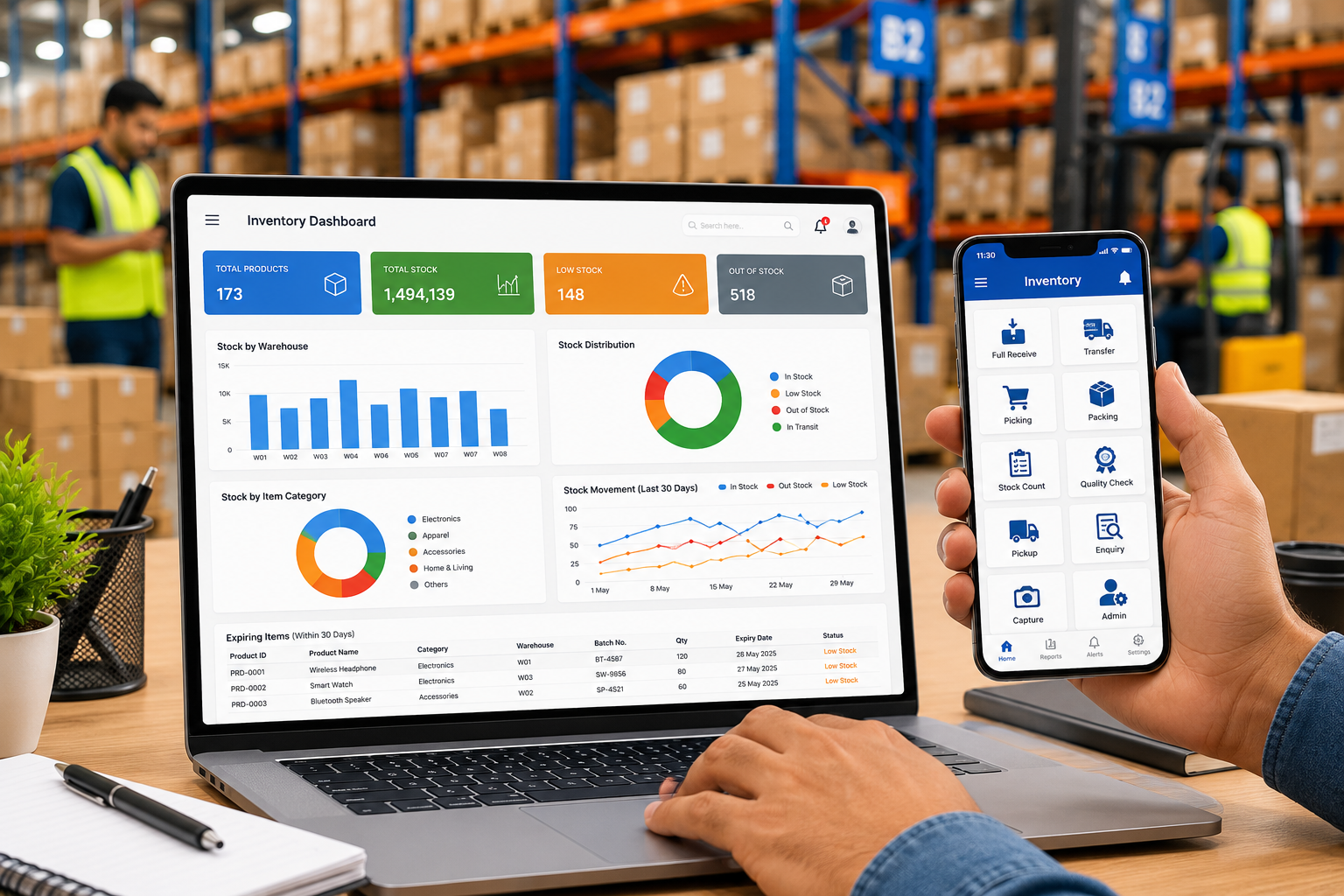
Healthcare ERP Implementation Process
Logicraftz begins with process discovery across registration, OPD, IPD, pharmacy, diagnostics, billing, insurance, stores, procurement, finance, HR, assets, and management reporting. The team documents current workflows, defines future processes, configures masters and approvals, integrates required systems, performs unit and end-to-end testing, and rolls out by facility or module to minimise disruption to patient services.
Healthcare Data Migration
Migration can include patient and payer masters, doctor and employee masters, service tariffs, packages, medicine and consumable masters, batches and expiry dates, vendor records, opening stock, outstanding claims, receivables, payables, fixed assets, biomedical equipment, and financial balances. Data is cleansed, mapped, validated, reconciled, and signed off before production use.
User Testing and Role-Based Training
Front desk, billing, pharmacy, stores, procurement, finance, HR, maintenance, and management users test realistic patient journeys and exception scenarios. Training is role-based and includes standard operating procedures, approval responsibilities, privacy controls, downtime handling, and supervised practice in a safe environment.
Go-Live and Support
Go-live support includes cutover planning, opening-balance checks, on-site or remote command-centre assistance, issue prioritisation, daily reconciliation, and stabilisation reviews. After launch, Logicraftz provides support, enhancement planning, performance monitoring, refresher training, and controlled change management.
Healthcare ERP Comparison
Deployment and Healthcare Operation Comparison
Deployment Comparison
| Criteria | Cloud ERP | On-Premise ERP | Hybrid ERP |
|---|---|---|---|
| Hosting | Managed cloud infrastructure | Healthcare organisation data centre | Combination of local and cloud systems |
| Initial Investment | Lower infrastructure investment | Higher server and IT investment | Depends on retained infrastructure |
| Scalability | Fast scaling across facilities | Capacity planned internally | Cloud services scale selectively |
| Control | Shared with hosting and service controls | Maximum infrastructure control | Local control for selected systems |
| Best Fit | Growing networks and rapid deployment | Organisations with strong internal IT policies | Groups retaining legacy clinical systems |
Healthcare Operation Comparison
| Capability | Multi-Speciality Hospital | Clinic Chain | Diagnostic Network | Day-Care Centre | Healthcare Group |
|---|---|---|---|---|---|
| Primary Workflow | OPD, IPD, theatres and diagnostics | Appointments and consultations | Orders, samples and reports | Procedure-to-discharge | Cross-facility governance |
| Inventory Focus | Medicines, implants and consumables | Pharmacy and clinic supplies | Reagents and collection materials | Procedure kits and implants | Central procurement and transfers |
| Billing Complexity | Packages, insurance and split bills | Consultations and recurring services | Test panels and corporate rates | Procedure packages and deposits | Multi-entity consolidation |
| Key Integration | HIS, EMR, LIS, RIS and PACS | EMR, CRM and payments | LIS and analyser interfaces | EMR, theatre and pharmacy | All systems with central BI |
Healthcare ERP FAQs
60 Questions About Healthcare ERP Software
Answers covering implementation, cost, security, billing, inventory, compliance, integrations, reporting, and multi-facility operations.
Q1: What is Healthcare ERP Software?
Healthcare ERP Software is an integrated platform that connects patient administration, billing, pharmacy, diagnostics, inventory, procurement, finance, HR, assets, compliance, and management reporting. It can integrate with clinical systems such as HIS, EMR, LIS, RIS, and PACS.
Q2: How is Healthcare ERP different from a hospital information system?
A hospital information system usually focuses on patient and clinical workflows. Healthcare ERP adds enterprise-wide financial, procurement, inventory, HR, asset, contract, compliance, and multi-entity controls while exchanging data with the HIS.
Q3: Who can use Healthcare ERP Solutions?
Hospitals, clinic chains, diagnostic centres, pharmacies, day-care centres, home healthcare providers, rehabilitation centres, and healthcare groups can use configurable Healthcare ERP Solutions.
Q4: Can ERP Healthcare software manage both OPD and IPD?
Yes. It can support registration, appointments, OPD encounters, admission, bed allocation, ward transfers, deposits, service capture, discharge clearance, final billing, and payer settlement.
Q5: Does ERP for Healthcare create a unique patient record?
It can maintain a unified patient master with duplicate checks, demographic details, consent, payer information, alerts, and visit history. Clinical documentation may remain in an integrated EMR.
Q6: Can Healthcare ERP manage appointments and doctor schedules?
Yes. It can manage specialty calendars, doctor availability, slots, walk-ins, token queues, reminders, rescheduling, cancellations, and resource booking.
Q7: How does Healthcare ERP help reduce patient waiting time?
It provides real-time queues, appointment load, doctor availability, pending diagnostics, discharge tasks, and bed status so teams can identify and resolve bottlenecks.
Q8: Can the system manage beds and wards?
Yes. It can track available, occupied, reserved, blocked, isolation, cleaning, and maintenance statuses, along with ward category, nursing station, and expected discharge.
Q9: Does Healthcare ERP support pharmacy operations?
Yes. It can handle formularies, prescriptions, dispensing, substitution, ward stock, batch and expiry selection, returns, controlled-drug registers, pricing, and patient billing.
Q10: How are medicine batches and expiry dates controlled?
The system records batch, lot, manufacture date, expiry date, supplier, MRP, and purchase rate. FEFO rules, expiry alerts, and recall reports support safe and economical stock management.
Q11: Can Healthcare ERP manage laboratory workflows?
It can manage test orders, sample collection, barcode labels, outsourcing, consumable use, billing, and result status. Detailed clinical results are commonly handled through LIS integration.
Q12: Can it integrate with radiology and PACS?
Yes. Integration can exchange orders, schedules, procedure status, billing references, and completion updates with RIS and PACS while images remain in the imaging system.
Q13: How does insurance and TPA management work?
The ERP can capture eligibility, pre-authorisation, package limits, enhancement requests, exclusions, document checklists, claim status, deductions, settlement, and patient liability.
Q14: Can Healthcare ERP reduce billing leakage?
Yes. Automated charge capture, service-to-bill integration, pharmacy and consumable posting, discharge checklists, approval controls, and exception reports help identify missed or unbilled services.
Q15: Does the software support cash, card, UPI, and online payments?
It can support multiple payment modes and integrate with payment gateways or POS terminals. Receipts, refunds, deposits, adjustments, and reconciliation can be posted to finance.
Q16: Can different tariffs be configured for patients and payers?
Yes. Tariffs can vary by cash patient, insurer, TPA, corporate, government scheme, room category, package, facility, or effective date, with approval controls for exceptions.
Q17: How does package billing work?
The system can define included and excluded services, package limits, room eligibility, consumable rules, doctor fees, upgrades, deviations, and additional charges while monitoring utilisation.
Q18: Can Healthcare ERP manage corporate credit billing?
Yes. It can manage corporate contracts, employee eligibility, credit limits, service rates, authorisations, invoices, ageing, collections, and account reconciliation.
Q19: What inventory types can be managed?
Medicines, surgical consumables, implants, reagents, vaccines, linen, medical gases, stationery, dietary supplies, housekeeping items, and general stores can be controlled by location.
Q20: Does Healthcare ERP support barcode or QR scanning?
Yes. Scanning can be used for receiving, bin transfers, pharmacy dispensing, sample labels, patient wristbands, implant traceability, stock counts, and department issues.
Q21: Can high-value implants be traced to a patient?
Yes. Serial or lot-controlled implants can be linked to the patient, procedure, surgeon, supplier, purchase or consignment record, and bill.
Q22: How does the system manage consignment inventory?
It records supplier-owned stock, receipt, location, patient usage, replenishment, return, and usage-based purchase or settlement while keeping ownership visible.
Q23: Can the ERP automate procurement?
Yes. Department indents can move through approvals to RFQs, quotation comparisons, purchase orders, goods receipt, quality checks, invoice matching, and payment processing.
Q24: How are healthcare vendors evaluated?
The system can score vendors on delivery time, price adherence, quality, shortages, returns, documentation, service response, licences, and contract compliance.
Q25: Does Healthcare ERP support central purchasing for multiple hospitals?
Yes. A group can use central contracts, consolidated demand, common vendor masters, facility allocations, inter-unit transfers, and group-level procurement analytics.
Q26: Can it manage cold-chain inventory?
Yes. Cold-chain items can be assigned storage rules, sensor integrations, temperature logs, expiry controls, alerts, and restricted issue processes.
Q27: How does Healthcare ERP support finance?
It integrates billing, receipts, claims, pharmacy, procurement, payroll, assets, taxes, and journals with the general ledger, receivables, payables, cash, bank, and cost centres.
Q28: Can it calculate department or service profitability?
Yes. Revenue and direct or allocated costs can be analysed by facility, department, specialty, doctor, service, procedure, package, payer, or cost centre.
Q29: Does the system support GST and tax requirements?
It can be configured for applicable GST, tax invoices, input credits, withholding, and reporting. Final configuration should be reviewed against current legal and accounting requirements.
Q30: How does Healthcare ERP manage receivables?
It tracks patient, corporate, insurer, TPA, and government receivables with ageing, follow-up status, deductions, disputes, settlements, credit notes, and collection forecasts.
Q31: Can it manage doctor payouts and revenue sharing?
Yes. Configurable rules can calculate consultation fees, procedure shares, incentives, retainers, guarantees, deductions, and settlement statements.
Q32: Does Healthcare ERP include HR and payroll?
Yes. It can manage employee records, attendance, leave, shifts, rosters, payroll, credentials, training, contracts, and statutory deductions.
Q33: Can it schedule nurses and technicians?
Yes. Rosters can be planned by facility, department, skill, shift, workload, leave, and on-call requirement, subject to organisational policies.
Q34: How are staff credentials and licences tracked?
The system can store licence numbers, validity dates, certifications, training, privileging documents, and renewal alerts for doctors, nurses, technicians, and other staff.
Q35: Can Healthcare ERP manage biomedical equipment?
Yes. It can track equipment identity, location, criticality, calibration, preventive maintenance, breakdowns, AMC or CMC contracts, service history, and downtime.
Q36: Does it support facility and housekeeping maintenance?
Yes. Users can raise work orders for rooms, wards, utilities, housekeeping, facilities, and safety issues with priority, assignment, escalation, and closure verification.
Q37: How does Healthcare ERP support NABH or NABL readiness?
It can organise policies, audits, incidents, CAPA, quality indicators, equipment records, training, document control, and evidence. Accreditation still depends on actual compliance practices.
Q38: Can incidents and complaints be tracked?
Yes. Incident, grievance, near-miss, complaint, root-cause, corrective action, responsibility, due date, and closure evidence can be managed through workflows.
Q39: What reports are available?
Common reports include occupancy, average length of stay, OPD visits, revenue, payer mix, claims ageing, pharmacy margin, stock expiry, purchase trends, lab turnaround, payroll, and profitability.
Q40: Can dashboards be customised for management?
Yes. Dashboards can be configured by role, facility, department, and KPI, with drill-down access governed by permissions.
Q41: Does Healthcare ERP support multi-location operations?
Yes. It can control multiple hospitals, clinics, labs, pharmacies, warehouses, and legal entities with shared or local masters and consolidated reporting.
Q42: Can facilities use different workflows while sharing one ERP?
Yes. Core governance can be standardised while tariffs, approvals, departments, numbering, taxes, roles, and operational workflows remain facility-specific.
Q43: Is cloud Healthcare ERP secure?
Cloud security depends on architecture and controls. Encryption, role-based access, multifactor authentication, logging, patching, backups, monitoring, and contractual responsibilities should be defined and tested.
Q44: What is on-premise Healthcare ERP?
It is hosted on servers controlled by the healthcare organisation. The organisation is responsible for infrastructure, security, patching, backup, redundancy, and performance.
Q45: What is hybrid Healthcare ERP?
Hybrid deployment combines local systems with cloud services, for example retaining an on-premise EMR while using cloud finance, analytics, or multi-facility reporting.
Q46: How are user permissions controlled?
Role-based access can restrict screens, actions, fields, facilities, departments, and financial limits. Segregation of duties and audit logs help prevent unauthorised activity.
Q47: Does the ERP keep an audit trail?
Yes. Configured transactions can record who created, edited, approved, cancelled, or posted an item, along with date, time, and relevant before-and-after values.
Q48: How is patient privacy protected?
Privacy is supported through least-privilege access, consent-aware workflows, encryption, secure interfaces, masking, audit logs, retention policies, and staff governance.
Q49: Can Healthcare ERP integrate with existing HIS or EMR?
Yes, provided the existing system supports suitable interfaces. Integration scope, data ownership, event timing, mapping, error handling, and reconciliation must be documented.
Q50: What are HL7 and FHIR in healthcare integration?
HL7 and FHIR are healthcare interoperability standards used to exchange structured health information. Their use depends on the systems, versions, profiles, and integration requirements.
Q51: Can the ERP integrate with LIS analysers or medical devices?
Usually through LIS, middleware, or approved device platforms. Direct device integration requires vendor protocols, validation, security review, and clear clinical responsibility.
Q52: Does the system provide mobile access?
Yes. Approved mobile access can support schedules, approvals, dashboards, stock requests, maintenance tickets, and selected workflows with device and session controls.
Q53: How can AI be used in Healthcare ERP?
AI can support demand forecasts, claim prioritisation, anomaly detection, duplicate record review, occupancy prediction, inventory planning, and management insights. Human oversight remains essential.
Q54: How can IoT support healthcare operations?
IoT can monitor refrigerators, cold rooms, utilities, equipment status, environmental conditions, and asset location, then trigger alerts or maintenance workflows.
Q55: How long does Healthcare ERP implementation take?
The timeline depends on facilities, modules, integrations, data quality, customisation, user availability, and rollout strategy. A phased implementation is often safer for active healthcare operations.
Q56: What data is migrated during implementation?
Typical data includes patient, payer, doctor, employee, service, tariff, package, medicine, vendor, stock, batch, claims, receivables, payables, asset, and opening financial records.
Q57: How much does Healthcare ERP Software cost?
Cost depends on users, facilities, modules, deployment, integrations, migration, customisation, support, and infrastructure. A process and scope assessment is needed for a reliable quotation.
Q58: What training is required?
Role-based training should cover real workflows, exceptions, approvals, privacy, reconciliation, reports, downtime procedures, and hands-on practice for each user group.
Q59: What ROI can a healthcare organisation expect?
ROI may come from reduced billing leakage, lower expiry losses, faster claims, improved procurement, better utilisation, lower manual effort, and stronger management decisions.
Q60: Why choose Logicraftz Solutions LLP for Healthcare ERP?
Logicraftz Solutions LLP provides configurable Healthcare ERP Solutions, process discovery, migration, integration, role-based training, and support from Mumbai, India, with a focus on practical operational control.
Healthcare ERP Glossary
Important Healthcare ERP Terms
HIS: Hospital Information System used to manage patient and hospital workflows.
EMR/EHR: Electronic Medical Record or Electronic Health Record containing digital patient clinical information.
LIS: Laboratory Information System for test orders, samples, results, and laboratory operations.
RIS: Radiology Information System for imaging orders, schedules, workflow, and reporting.
PACS: Picture Archiving and Communication System for storing and viewing medical images.
OPD: Outpatient Department where patients receive care without admission.
IPD: Inpatient Department for admitted patients requiring beds and continuous care.
TPA: Third-Party Administrator that coordinates health insurance authorisations and claims.
Revenue Cycle Management: The process from patient registration and charge capture to billing, claims, collections, and settlement.
FEFO: First Expiry, First Out inventory rule used for medicines and other expiry-controlled items.
Formulary: Approved list of medicines available for prescribing and dispensing.
Pre-Authorisation: Payer approval obtained before selected treatments, admissions, or procedures.
ALOS: Average Length of Stay, a measure of the average inpatient stay duration.
CAPA: Corrective and Preventive Action used to resolve root causes and prevent recurrence.
Biomedical Asset: Medical equipment requiring maintenance, calibration, and service traceability.
Future of Healthcare ERP
Connected, Predictive and Data-Governed Healthcare Operations
Healthcare ERP will increasingly use predictive analytics to forecast bed demand, medicine consumption, claim delays, staffing needs, equipment downtime, and facility capacity. AI-assisted anomaly detection can help managers identify billing leakage, unusual stock movement, duplicate records, and operational risk earlier, while final decisions remain under authorised human control.
Connected systems will become more important as hospitals integrate ERP with EMR, LIS, RIS, PACS, telemedicine, payer platforms, mobile applications, and IoT-enabled assets. Secure APIs, standards-based data exchange, identity controls, and reliable audit trails will be essential for creating useful workflows without weakening privacy or clinical governance.
Future Healthcare ERP Solutions will also support sustainability and resilience through energy monitoring, waste tracking, cold-chain control, digital approvals, predictive maintenance, and better procurement planning. Strong master data, data quality ownership, cybersecurity, business continuity, and multi-facility governance will determine whether these technologies produce dependable results.
Healthcare Digital Transformation
Build a more connected, efficient and accountable healthcare organisation.
Healthcare ERP Software creates operational continuity from registration and treatment support to billing, inventory, procurement, finance, HR, equipment, compliance, and management reporting. By replacing fragmented spreadsheets and disconnected workflows with controlled processes, healthcare providers can reduce delays, strengthen revenue capture, improve stock availability, and make decisions using consistent data.
Logicraftz Solutions LLP develops configurable Healthcare ERP Solutions for hospitals, clinics, diagnostic centres, pharmacy networks, and healthcare groups. Our approach combines process understanding, system integration, secure role-based access, structured migration, practical training, and ongoing support.
For organisations planning digital transformation, ERP for Healthcare provides the enterprise foundation needed to scale services, standardise operations, and maintain visibility across facilities without losing the flexibility required by different care models.
Start Your Healthcare ERP Journey
Ready to connect patient services, operations and finance?
Discuss your hospital, clinic, diagnostic, pharmacy, or multi-facility requirements with Logicraftz Solutions LLP. We will assess your workflows, integrations, migration needs, reporting priorities, and rollout approach.
Logicraftz Solutions LLP
Mumbai, India
Phone: +91 2231982472
Email: info@logicraftz.com