
Call Logicraftz Professionals +91 2231982472 to fix website mistakes, improve conversion optimization, upgrade frontend development, strengthen backend development, and manage website maintenance.
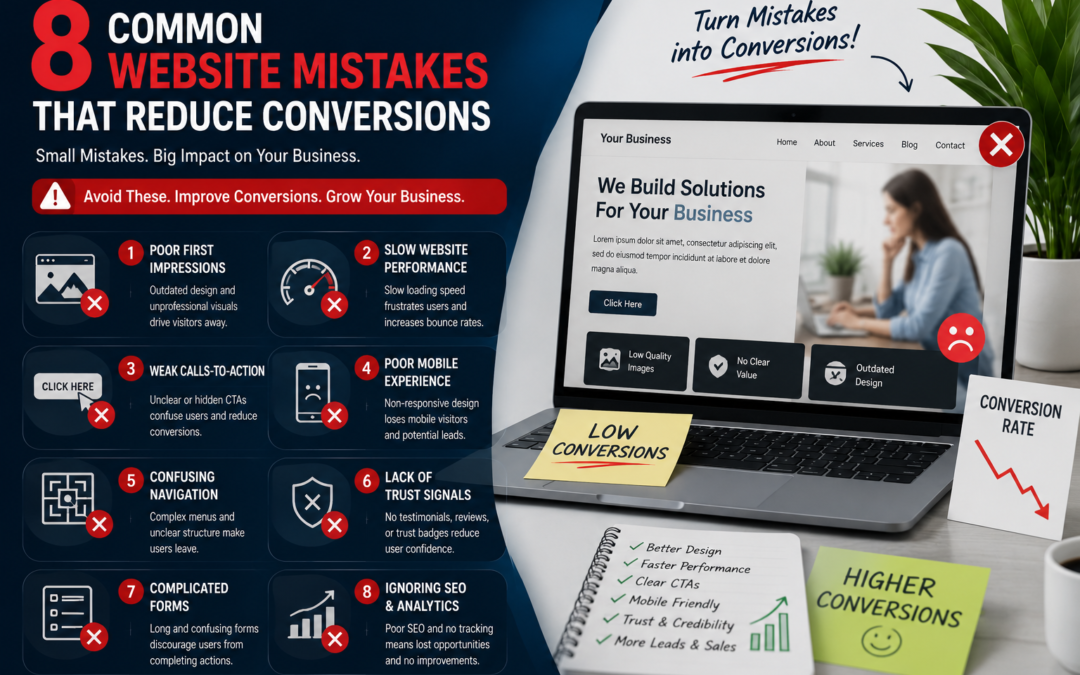
Website Mistakes: 8 Common Website Mistakes That Reduce Conversions
A practical guide to fixing conversion issues through better conversion optimization, frontend development, backend development, and website maintenance.
Introduction
Website mistakes can silently reduce enquiries, sales, and customer trust without business owners realizing the real problem. Many companies invest in SEO, Google Ads, social media, and content marketing, but still fail to convert visitors because their website experience is weak.
Your website should work as a lead generation system. It should explain your services clearly, load quickly, guide visitors toward action, and make it easy for users to contact your business. When the design, technical structure, content flow, and forms are not optimized, conversions naturally drop.
Successful websites combine strong conversion optimization, clean frontend development, reliable backend development, and regular website maintenance. In this guide, we will explain 8 common issues that reduce conversions and how your business can fix them.

Table of Contents
- Why Conversion Optimization Matters
- 1. Poor First Impressions and Outdated Design
- 2. Slow Website Speed and Technical Issues
- 3. Weak Calls-to-Action
- 4. Poor Mobile Experience
- 5. Confusing Website Navigation
- 6. Lack of Trust Signals
- 7. Complicated Contact Forms
- 8. Ignoring SEO, Analytics, and Maintenance
- How to Improve Website Conversions
- Frequently Asked Questions
Why Conversion Optimization Matters
Attracting visitors is only the first step. The real goal is turning those visitors into leads, customers, bookings, enquiries, downloads, or purchases. If users visit your website and leave without action, your marketing investment is not producing its full value.
Conversion optimization improves the website journey so more visitors take meaningful action. This includes better headlines, clearer CTAs, stronger forms, improved page speed, mobile usability, trust signals, and a smoother path from interest to enquiry.
Good optimization also depends on technical quality. Strong frontend development improves what users see and interact with, while backend development supports speed, security, forms, integrations, and data handling.
Turn more visitors into qualified enquiries.
Get more value from SEO, ads, and social media traffic.
Make visitors feel confident before they contact your business.
Reduce friction and guide users toward action faster.
1. Poor First Impressions and Outdated Design
Visitors form an opinion about your business within seconds of landing on your website. If your site looks outdated, cluttered, or unprofessional, users may leave before reading your services.
Outdated design is one of the most common website mistakes because many businesses continue using the same layout for years without reviewing user behavior, brand presentation, or conversion goals.
Common Design Problems
- Old-fashioned layouts
- Poor branding consistency
- Low-quality images
- Too much clutter
- Hard-to-read fonts
- Weak visual hierarchy
- No clear action path
How to fix it: Use a modern, responsive, professional design that highlights your services, builds credibility, and makes the next step clear. Clean frontend development ensures the design looks polished across devices.
2. Slow Website Speed and Technical Issues
Slow loading speed directly affects conversions. If your website takes too long to open, users may leave before reading your offer or contacting your team.
Performance problems can happen because of oversized images, poor hosting, plugin overload, unoptimized code, database issues, or weak backend development. These technical issues affect both desktop and mobile users.
Common Causes of Slow Websites
- Large image files
- Poor hosting quality
- Too many plugins
- Heavy JavaScript
- Unoptimized CSS
- No caching setup
- No CDN integration
- Unoptimized database queries
How to fix it: Compress images, use WebP format, remove unnecessary plugins, enable caching, improve server setup, and review backend performance regularly. Ongoing website maintenance helps prevent speed issues from returning.
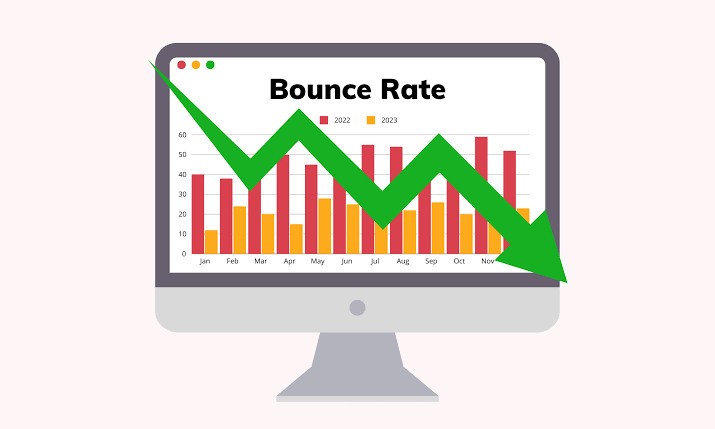
Better frontend development and technical optimization help reduce bounce rates.
3. Weak Calls-to-Action
Many businesses fail to clearly tell visitors what to do next. If your website does not have visible, clear, and compelling calls-to-action, users may leave without taking action.
A CTA should guide visitors toward the next step, such as calling your team, requesting a quote, booking a consultation, downloading a brochure, or submitting an enquiry form.
Effective CTA Examples
- Get a Free Consultation
- Request a Quote
- Book a Demo
- Contact Our Experts
- Schedule a Call
- Get Website Audit
- Start Your Project
How to fix it: Add strong CTA buttons above the fold, after service sections, near testimonials, and at the end of important pages. This supports conversion optimization by making action easier.
4. Poor Mobile Experience
Mobile users represent a major share of website traffic. If your website does not function properly on smartphones, it can reduce conversions, enquiries, and customer trust.
A poor mobile experience includes unreadable text, broken layouts, slow loading, buttons that are too small, and forms that are difficult to submit. Strong frontend development ensures the site works properly across screen sizes.
Mobile Problems Include
- Unreadable text
- Broken layouts
- Difficult navigation
- Slow mobile loading
- Non-responsive design
- Small CTA buttons
- Long mobile forms
How to fix it: Use responsive design, test your website on multiple screen sizes, add click-to-call buttons, simplify forms, and optimize mobile page speed.

Strong backend development and mobile optimization support better conversion performance.
5. Confusing Website Navigation
Visitors should be able to find important information quickly. Complex navigation structures often create frustration and abandonment. If users cannot easily find your services, pricing, portfolio, or contact page, they may leave.
Clear navigation helps users move naturally through your website. It should guide them from awareness to trust and then to action.
Navigation Best Practices
- Use clear menu labels
- Keep the menu simple
- Add service pages logically
- Make contact information visible
- Use internal links naturally
- Add breadcrumb structure where needed
- Keep footer links organized
How to fix it: Review your menu structure and remove unnecessary items. Important service pages should be easy to access, and users should reach the contact page within one or two clicks.
6. Lack of Trust Signals
Customers need confidence before they share personal information or make a buying decision. If your website lacks trust signals, users may hesitate to contact you.
Trust-building elements show visitors that your business is credible, experienced, and reliable. They reduce doubt and support stronger conversion optimization.
Important Trust Signals
- Client testimonials
- Case studies
- Google reviews
- Security badges
- Certifications
- Company information
- Portfolio examples
- Client logos
How to fix it: Add testimonials, proof of work, industry experience, client results, security indicators, and clear company details across important pages.
7. Complicated Contact Forms
Long or confusing forms discourage users from completing enquiries. Every unnecessary field increases friction in the conversion process.
Forms should be simple, clear, and mobile-friendly. If users feel that a form asks too much information too early, they may abandon it.
Form Optimization Tips
- Ask only essential questions
- Reduce required fields
- Use clear labels
- Make forms mobile-friendly
- Add confirmation messages
- Use dropdowns only when helpful
- Keep submit buttons visible
How to fix it: Keep enquiry forms short. Ask for name, phone, email, service requirement, and message only when needed. Reliable backend development also ensures forms submit correctly and store data safely.
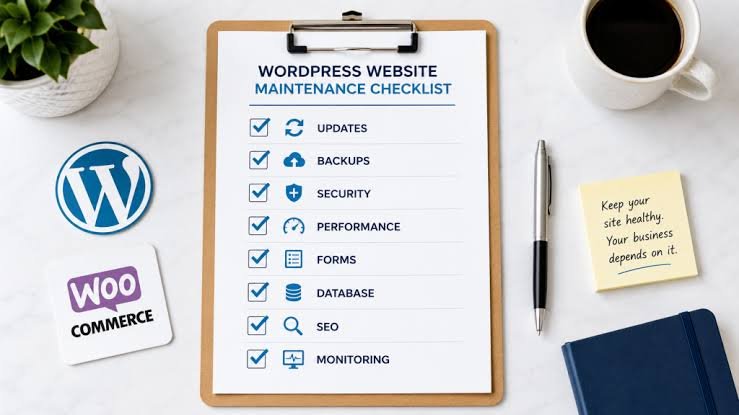
Simple forms, technical checks, and regular website maintenance help improve conversions.
8. Ignoring SEO, Analytics, and Maintenance
Many businesses focus only on design while ignoring SEO, analytics, and technical upkeep. Without search visibility, users may not find your website. Without analytics, you cannot understand what is helping or hurting conversions.
Neglecting website maintenance can also create long-term problems such as broken links, outdated plugins, slow pages, form errors, and security risks. These issues can quietly damage performance over time.
Essential Tools and Checks
- Google Analytics
- Google Search Console
- Heatmaps
- Conversion tracking tools
- User behavior analysis
- Page speed tools
- SEO audit tools
- Regular maintenance checklist
Google provides useful guidance on improving website quality, crawlability, and search visibility through its official documentation.
How to Improve Website Conversions
Fixing website mistakes requires a structured approach. Start by reviewing the customer journey from the first visit to final enquiry. Identify where visitors may be getting confused, delayed, or discouraged.
- Improve page speed and technical performance
- Use modern and professional frontend development
- Strengthen backend development for forms and integrations
- Add strong call-to-action buttons
- Improve mobile usability
- Simplify navigation and page structure
- Add trust-building elements
- Reduce unnecessary form fields
- Set up conversion tracking
- Plan regular website maintenance
- Review analytics and test important pages
Small improvements can create major results. A better CTA, faster page speed, shorter form, or clearer service page can improve conversions without increasing marketing spend.
Poor Website vs Conversion-Focused Website
| Area | Poor Website | Conversion-Focused Website |
|---|---|---|
| Design | Outdated and cluttered | Modern, clean, and user-friendly |
| Frontend | Broken layouts and weak mobile experience | Responsive frontend development |
| Backend | Slow forms and weak integrations | Stable backend development |
| CTA | Weak or missing CTA | Clear action-focused buttons |
| Maintenance | Ignored after launch | Regular website maintenance and testing |
Frequently Asked Questions
What are the most common website mistakes businesses make?
The most common website mistakes include slow loading speed, poor design, weak CTAs, confusing navigation, poor mobile experience, complicated forms, and lack of trust signals.
How does conversion optimization improve website results?
Conversion optimization improves page layout, CTAs, forms, trust sections, speed, and user flow so more visitors take action such as calling, enquiring, or booking.
Why is frontend development important for conversions?
Frontend development affects the visual experience, mobile layout, buttons, navigation, readability, and user interaction. A strong frontend helps visitors move smoothly through the website.
How does backend development affect website performance?
Backend development affects speed, form processing, database performance, integrations, security, and system stability. A weak backend can reduce reliability and conversions.
Why is website maintenance important?
Website maintenance keeps your site updated, secure, fast, and functional. Regular checks help prevent broken links, plugin issues, slow pages, and form errors.
Continue Reading
Ready to Improve Your Website Conversions?
Our website experts can identify hidden website mistakes, improve user experience, fix technical issues, and help your business generate more qualified leads.
Logicraftz Solutions LLP provides conversion optimization, frontend development, backend development, website maintenance, and complete website improvement services.
Introduction
A successful website is much more than an attractive online presence. It is a business tool designed to engage visitors, communicate value, generate enquiries, and support long-term growth. Modern customers expect websites to load quickly, function smoothly, and provide an intuitive browsing experience across every device. Businesses that invest in performance-focused digital platforms create stronger customer relationships while improving their competitive advantage.
Effective conversion optimization helps businesses transform website visitors into customers by improving user experience, simplifying navigation, and removing obstacles that prevent users from taking action. Combined with professional frontend development, reliable backend development, and strategic web design, organizations can build websites that not only look impressive but also deliver measurable business results.
Whether operating a service-based business, e-commerce platform, healthcare portal, educational website, manufacturing company, or corporate enterprise, investing in high-quality website architecture creates lasting value for both customers and business owners.
Why Conversion Optimization Matters
Driving visitors to a website is only the beginning of digital success. Businesses must encourage users to complete valuable actions such as requesting quotations, booking consultations, submitting enquiry forms, or purchasing products.
Successful conversion optimization focuses on improving every stage of the customer journey.
Businesses can increase conversions by:
- Simplifying navigation
- Improving content clarity
- Optimizing enquiry forms
- Creating stronger call-to-action buttons
- Improving mobile usability
- Increasing loading speed
- Displaying customer testimonials
- Building trust indicators
- Enhancing accessibility
- Testing user experiences
Small improvements often produce significant increases in customer engagement and enquiry generation.
Frontend Development Creates Better User Experiences
Frontend development focuses on everything users see and interact with while visiting a website. A professionally developed interface creates positive first impressions while making navigation intuitive and enjoyable.
Important frontend elements include:
- Responsive layouts
- Interactive navigation
- Mobile compatibility
- Fast page rendering
- Accessible design
- Clean typography
- Visual consistency
- User-friendly forms
- Smooth animations
- Cross-browser compatibility
A well-developed interface encourages visitors to remain engaged while improving overall usability.
Backend Development Powers Website Functionality
While visitors experience the visual side of a website, backend development manages the technology operating behind the scenes. Reliable backend systems ensure websites remain secure, efficient, and capable of supporting complex business operations.
Backend functionality may include:
- Database management
- User authentication
- Server processing
- API integration
- Payment gateways
- Content management
- CRM connectivity
- ERP integration
- Security controls
- Automated workflows
A stable backend infrastructure supports business continuity while ensuring reliable website performance.
Web Design Creates Strong First Impressions
Visitors often form opinions about a business within seconds of opening a website. Professional web design combines creativity with usability to build trust while guiding users naturally through the customer journey.
Effective design should include:
- Clean layouts
- Professional branding
- Balanced colour schemes
- Readable typography
- High-quality visuals
- Logical page hierarchy
- Consistent navigation
- Clear call-to-action buttons
- White space
- Mobile responsiveness
An attractive design enhances customer confidence while encouraging visitors to continue exploring the website.
Building Customer Trust Through Better Experiences
Every interaction influences how customers perceive a business. Fast performance, intuitive navigation, helpful information, and consistent branding create positive experiences that encourage visitors to return.
Organizations that continuously improve usability, technical performance, and customer-focused communication build stronger credibility while creating digital platforms capable of supporting long-term business growth.
Website Speed Improves User Satisfaction
Website loading speed directly affects how visitors interact with a business online. Slow pages often cause users to leave before viewing products, reading service information, or completing enquiry forms. A fast website creates a smooth browsing experience that encourages visitors to explore additional pages and remain engaged for longer periods.
Businesses can improve performance by:
- Compressing images
- Optimizing website code
- Reducing unnecessary plugins
- Enabling browser caching
- Using reliable hosting
- Implementing content delivery networks
- Optimizing databases
- Loading scripts efficiently
- Monitoring server performance
- Updating software regularly
Consistently improving website speed enhances usability while supporting stronger search visibility.
Content That Educates and Converts
High-quality content plays an important role in helping visitors understand products, services, and business expertise. Instead of focusing only on promotional messaging, businesses should publish useful information that answers customer questions and solves practical problems.
Effective website content may include:
- Educational blog articles
- Service descriptions
- Industry insights
- Buying guides
- Frequently asked questions
- Customer success stories
- Case studies
- Product demonstrations
- Company updates
- Expert resources
Providing valuable information builds credibility and encourages visitors to trust the business before making purchasing decisions.
Security Strengthens Customer Confidence
Website security protects sensitive business information while assuring customers that their personal data is handled responsibly. Visitors are more likely to engage with businesses that demonstrate a commitment to protecting digital information.
Important security practices include:
- SSL encryption
- Secure hosting
- Firewall protection
- Malware scanning
- Automated backups
- User authentication
- Software updates
- Access management
- Server monitoring
- Security audits
Maintaining a secure environment reduces operational risks while strengthening customer trust.
Integrating Business Applications
Modern websites often function as central platforms that connect multiple business systems. Integrating business applications reduces manual work while improving operational efficiency and customer service.
Popular integrations include:
- CRM software
- ERP platforms
- Payment gateways
- Appointment booking systems
- Inventory management
- Email platforms
- Live chat solutions
- Customer support systems
- Analytics tools
- Marketing automation platforms
These integrations improve workflow efficiency while delivering better experiences for both customers and employees.
Artificial Intelligence Enhances Digital Experiences
Artificial intelligence is transforming website functionality by enabling businesses to provide more personalized and efficient customer experiences. AI-powered technologies help analyze visitor behaviour, automate routine tasks, and deliver relevant recommendations based on user interactions.
Organizations can implement AI through:
- Intelligent chatbots
- Personalized recommendations
- Visitor behaviour analysis
- Predictive insights
- Automated reporting
- Smart search functionality
- Customer segmentation
- Workflow automation
- Performance analysis
- Content recommendations
These technologies improve operational efficiency while helping businesses deliver faster and more relevant customer experiences.
Why Businesses Choose Logicraftz
Logicraftz develops intelligent digital solutions designed to help businesses achieve measurable results through technology, innovation, and customer-focused design. Every project begins with understanding business objectives, customer expectations, industry competition, and future expansion plans before developing customized solutions.
The company offers comprehensive services including website development, UI/UX optimization, search engine optimization, AI-powered automation, CRM integration, ERP implementation, website maintenance, cloud solutions, cybersecurity, performance optimization, and digital consulting. Rather than delivering standard website templates, Logicraftz builds scalable digital platforms that improve customer engagement, operational efficiency, and long-term profitability.
Continuous optimization, transparent reporting, proactive maintenance, and dedicated technical support enable businesses to remain competitive while adapting to changing technologies and customer expectations.
Continuous Improvement Creates Long-Term Success
Successful websites are never considered complete. Customer behaviour, technology, and market conditions continue to evolve, making ongoing optimization essential for maintaining strong digital performance.
Businesses should regularly evaluate:
- Customer feedback
- Website usability
- Technical performance
- Security updates
- Mobile compatibility
- Content quality
- Navigation structure
- Accessibility improvements
- Business objectives
- Industry trends
Organizations that continuously refine their websites create better customer experiences, strengthen brand credibility, improve operational efficiency, and build a strong digital foundation capable of supporting sustainable long-term business growth.