Call Logicraftz Professionals +912231982472 to improve marketing analytics, customers acquisition, online leads, marketing campaigns, and growth marketing results.
7 Powerful Marketing Analytics Tips for Business Growth
A practical guide to using data, campaign insights, online leads, and customers acquisition metrics to improve marketing performance.
Introduction
Marketing analytics helps businesses understand what is working, what is wasting budget, and where better growth opportunities exist. Instead of guessing, companies can use real data to improve campaigns, generate better online leads, and support customer acquisition.
Today, every business runs multiple digital activities such as SEO, paid ads, social media, landing pages, email campaigns, and website promotions. Without proper tracking, it becomes difficult to know which channel is bringing quality enquiries.
A data-focused approach helps businesses improve marketing campaigns, measure lead quality, reduce wasted spend, and make smarter decisions for long-term growth marketing.

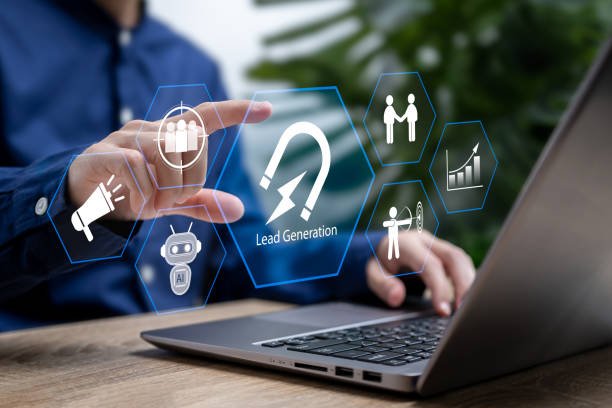
Marketing Analysis helps businesses track leads, campaigns, conversions, and growth performance.
Table of Contents
Why Marketing Analytics Matters for Business Growth
Business growth depends on knowing where your best customers come from. If you only track clicks and impressions, you may miss the real picture. A campaign may get many visitors but still fail to generate useful enquiries.
Marketing analytics connects traffic, leads, conversions, campaign cost, and customer quality. This helps business owners and marketing teams focus on the channels that actually bring results.
Data-Driven Marketing Helps You:
- Understand which channels generate online leads
- Improve customers acquisition cost
- Measure campaign performance accurately
- Find weak landing pages and forms
- Reduce wasted advertising spend
- Improve lead quality and sales follow-up
- Build better growth marketing decisions
7 Powerful Marketing Analytics Tips to Improve Results
1. Track the Right Business Metrics
Not every metric is equally important. Likes, views, and clicks can show activity, but they do not always show business impact. Focus on metrics connected to leads, sales, enquiries, and revenue.
Important metrics include conversion rate, cost per lead, lead source, enquiry quality, campaign ROI, landing page performance, and customers acquisition cost.
2. Connect Website Traffic With Online Leads
Website traffic is useful only when it turns into real opportunities. Track which pages generate forms, calls, WhatsApp clicks, bookings, and downloads.
This helps you understand which service pages, blog posts, landing pages, and ad campaigns are creating the most valuable enquiries.
3. Measure Customer Acquisition Cost
Customers acquisition cost tells you how much your business spends to gain a new customer. This is more useful than only tracking how much you spend on ads.
When you know your acquisition cost, you can decide which campaigns deserve more budget and which ones need improvement.
4. Review Marketing Campaigns by Lead Quality
Many campaigns generate enquiries, but not all enquiries are valuable. Some leads may be low-budget, irrelevant, or not ready to buy.
Review your marketing campaigns based on lead quality, follow-up response, sales conversion, and revenue potential. This gives a more accurate view of performance.
5. Use Analytics to Improve Landing Pages
Landing pages play a major role in converting visitors into enquiries. Analytics can show where users leave, which forms perform best, and which CTA buttons get clicked.
Improve headlines, offers, form length, page speed, testimonials, service clarity, and mobile layout to increase conversions.
6. Build a Growth Marketing Dashboard
A simple dashboard helps your team review all important numbers in one place. It can include traffic, leads, conversion rate, campaign cost, source performance, and sales updates.
This makes growth marketing easier because your decisions are based on clear data instead of assumptions.
7. Optimize Every Month Based on Data
Analytics should not be checked only at the end of the year. Monthly reviews help you improve ads, SEO, content, landing pages, and follow-up systems.
You can learn more about digital tracking from Google Analytics Help and SEO measurement from Google Search Central.

Customer acquisition tracking helps businesses understand which campaigns bring valuable enquiries.
Basic Reporting vs Data-Driven Marketing
| Basic Reporting | Data-Driven Marketing |
|---|---|
| Tracks clicks and views only | Tracks leads, conversions, cost, and quality |
| No clear lead source mapping | Shows where online leads come from |
| Campaigns are judged by traffic | Marketing campaigns are judged by business impact |
| Budget decisions are based on guesses | Budget decisions are based on performance data |
| Sales team feedback is ignored | Lead quality and sales feedback are included |
Common Marketing Analytics Mistakes to Avoid
Analytics can improve growth only when the data is clean, useful, and connected to business goals. Avoid these common mistakes to get better results from your reports.
- Tracking only traffic instead of enquiries
- Ignoring customer acquisition cost
- Not setting up conversion tracking
- Not checking lead quality
- Sending all campaign traffic to the homepage
- Not using UTM tracking for campaigns
- Ignoring mobile landing page performance
- Not reviewing campaign data monthly
- Depending only on paid ads
- Not connecting marketing and sales feedback
How Logicraftz Uses Analytics to Improve Marketing Results
Logicraftz Solutions LLP helps businesses build better tracking systems, campaign reports, and lead generation strategies. Our team focuses on meaningful data, not vanity metrics.
Our Data-Focused Marketing Approach Includes:
- Campaign performance review
- Website and landing page tracking
- Lead source measurement
- Conversion tracking setup
- Customer acquisition analysis
- Online leads quality review
- Growth marketing planning
- Monthly reporting and optimization
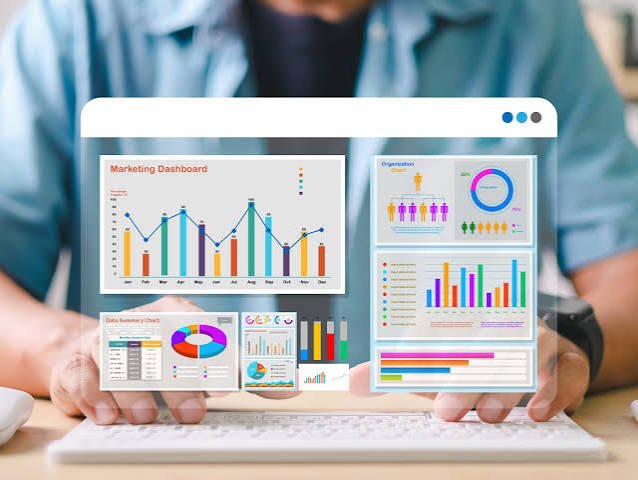
Growth marketing dashboards help teams measure campaign performance and improve business decisions.
Frequently Asked Questions
What is marketing analytics?
Marketing Analysis is the process of collecting and reviewing campaign, website, lead, and customer data to understand performance and improve business results.
Why is marketing Analysis important for customer acquisition?
It helps businesses understand which channels bring quality customers, how much acquisition costs, and where budget should be increased or reduced.
How can analytics improve online leads?
Analytics shows which pages, campaigns, CTAs, and sources generate enquiries. This helps businesses improve landing pages and focus on high-performing channels.
What should businesses track in marketing campaigns?
Businesses should track traffic, lead source, conversion rate, cost per lead, customer acquisition cost, lead quality, and campaign ROI.
What is growth marketing?
Growth marketing is a data-driven approach focused on testing, measuring, and improving campaigns to achieve long-term business growth.
How often should marketing reports be reviewed?
Marketing reports should be reviewed monthly so campaigns, landing pages, budgets, and follow-up systems can be improved regularly.
Continue Reading
Ready to Improve Your Marketing With Better Analytics?
Data helps your business understand what is working, where leads are coming from, and how campaigns can perform better. With the right tracking and reporting, your marketing becomes more predictable and growth-focused.
Logicraftz Solutions LLP helps businesses improve online leads, customer acquisition, campaign performance, and growth marketing through smarter digital strategies.
Introduction
Every successful business depends on its ability to attract new customers while maintaining strong relationships with existing ones. As markets become increasingly competitive, organizations must adopt structured strategies that consistently generate enquiries, improve customer engagement, and support long-term revenue growth. Businesses that rely solely on referrals or traditional advertising often struggle to achieve predictable expansion because they lack measurable and scalable marketing systems.
An effective customer acquisition strategy combines data-driven decision-making, valuable content, targeted communication, and continuous optimization. Supported by intelligent growth marketing, well-planned marketing campaigns, and consistent generation of online leads, organizations can create a sustainable pipeline of potential customers while improving return on marketing investment.
Whether serving local markets or expanding nationally, businesses that focus on attracting qualified prospects rather than simply increasing visibility are better positioned to achieve lasting success.
Understanding Customer Acquisition
Successful customer acquisition is the process of attracting potential buyers, nurturing their interest, and converting them into loyal customers. It involves much more than advertising because modern buyers often research products and services before making purchasing decisions.
Organizations should focus on creating positive customer experiences throughout every stage of the buying journey.
An effective acquisition process helps businesses:
- Increase qualified enquiries
- Improve conversion rates
- Strengthen customer relationships
- Reduce acquisition costs
- Improve customer satisfaction
- Increase revenue opportunities
- Build brand credibility
- Support long-term growth
- Improve sales efficiency
- Create predictable business performance
Businesses that understand customer behaviour can create more effective communication strategies while improving overall marketing performance.
Growth Marketing Focuses on Long-Term Results
Unlike short-term promotional activities, growth marketing focuses on continuous improvement using experimentation, customer insights, and measurable performance.
Organizations improve marketing performance by:
- Understanding audience behaviour
- Testing multiple strategies
- Improving website experiences
- Optimizing customer journeys
- Refining communication
- Measuring campaign results
- Increasing customer retention
- Encouraging referrals
- Improving conversion opportunities
- Supporting sustainable growth
This ongoing optimization helps businesses adapt quickly to changing customer expectations and market conditions.
Marketing Campaigns Connect Businesses with Customers
Well-planned marketing campaigns provide structured communication across multiple digital channels while supporting specific business objectives.
Campaigns commonly include:
- Educational content
- Email communication
- Social media promotion
- Search engine optimization
- Paid advertising
- Video marketing
- Product launches
- Event promotion
- Customer success stories
- Promotional offers
Coordinating multiple channels creates consistent customer experiences while improving overall campaign performance.
Online Leads Support Sales Growth
Generating qualified online leads creates a predictable pipeline of potential customers interested in a company's products or services.
Businesses attract enquiries through:
- Optimized landing pages
- Contact forms
- Downloadable resources
- Consultation requests
- Product demonstrations
- Educational webinars
- Blog articles
- Email subscriptions
- Interactive tools
- Customer referrals
Rather than focusing on the quantity of enquiries, organizations should prioritize attracting prospects who are genuinely interested and more likely to become long-term customers.
Build a Strong Customer Journey
Every successful business understands that customers rarely make purchasing decisions immediately after discovering a product or service. They first research available options, compare providers, read reviews, explore websites, and evaluate the overall value offered by each business.
Creating a structured customer journey helps organizations deliver the right information at every stage of the buying process. From the first website visit to the final purchasing decision, businesses should provide educational resources, clear communication, and helpful support that builds confidence and trust.
An effective customer journey often includes:
- Awareness through informative content
- Educational resources
- Product or service comparisons
- Customer testimonials
- Case studies
- Frequently asked questions
- Consultation opportunities
- Personalized follow-ups
- Transparent pricing
- Reliable customer support
When every stage is designed around customer needs, businesses improve engagement while increasing conversion opportunities.
Content Marketing Builds Long-Term Trust
High-quality content remains one of the most effective ways to attract potential customers and demonstrate industry expertise. Instead of focusing only on promotional messages, organizations should create resources that answer common questions, explain complex topics, and provide practical solutions.
Useful content formats include:
- Educational blog posts
- Industry insights
- Buying guides
- Success stories
- Expert interviews
- Product demonstrations
- Video tutorials
- Infographics
- Whitepapers
- Frequently asked questions
Consistently publishing valuable information encourages visitors to return to the website while strengthening credibility and customer confidence.
Marketing Automation Improves Efficiency
As businesses expand, manually managing customer communication becomes increasingly difficult. Automation helps organizations maintain consistent engagement while reducing repetitive administrative work.
Automated processes can include:
- Welcome email sequences
- Follow-up reminders
- Appointment confirmations
- Newsletter delivery
- Customer onboarding
- Feedback requests
- Event reminders
- Internal notifications
- Lead nurturing
- Performance reporting
Automation ensures timely communication while allowing employees to focus on strategic business activities.
Why Businesses Choose Logicraftz
Logicraftz helps organizations achieve measurable growth through customized digital strategies built around real business objectives. Every project begins with understanding the client's target audience, competitive landscape, customer behaviour, and long-term goals before developing practical solutions that support sustainable success.
The company offers comprehensive services including website development, search engine optimization, AI-powered automation, social media marketing, paid advertising, CRM integration, performance reporting, conversion optimization, and technical consulting. Rather than using generic marketing templates, Logicraftz develops customized solutions that improve customer engagement, strengthen digital presence, and generate measurable business outcomes.
Continuous optimization, transparent reporting, and strategic consultation ensure every marketing initiative continues improving over time. By combining creativity, technology, and data-driven decision-making, Logicraftz helps businesses build stronger customer relationships, improve operational efficiency, and achieve sustainable long-term growth in today's competitive digital marketplace.
Measure Performance and Continuously Improve
Successful businesses understand that marketing performance should be measured consistently rather than evaluated only at the end of a campaign. Reviewing performance data helps organizations identify strengths, discover improvement opportunities, and make informed decisions that support long-term success.
Important performance indicators include:
- Website visitors
- Conversion rates
- Customer enquiries
- Sales opportunities
- Engagement levels
- Cost per enquiry
- Revenue contribution
- Customer retention
- Landing page performance
- Return on investment
By monitoring these indicators regularly, businesses can improve decision-making and ensure every marketing activity contributes to meaningful business outcomes.
Build Trust Through Customer Experience
Acquiring a customer is only the beginning of a successful business relationship. Delivering an outstanding customer experience encourages repeat business, positive reviews, and valuable referrals that support future growth.
Organizations should focus on:
- Fast response times
- Professional communication
- Personalized assistance
- Clear pricing information
- Reliable after-sales support
- Transparent business processes
- Helpful educational resources
- Consistent service quality
- Timely follow-ups
- Customer satisfaction surveys
A positive experience creates loyal customers who are more likely to recommend the business to others.
Artificial Intelligence Supports Smarter Marketing Decisions
Artificial intelligence has become an important tool for businesses looking to improve efficiency and make better marketing decisions. AI-powered solutions help organizations understand customer behaviour, identify market opportunities, and optimize communication based on real-time insights.
Businesses can use AI to assist with:
- Audience segmentation
- Behaviour analysis
- Content recommendations
- Predictive forecasting
- Email personalization
- Customer support chatbots
- Campaign optimization
- Performance reporting
- Trend analysis
- Workflow automation
These capabilities enable organizations to make faster, data-driven decisions while improving overall marketing effectiveness.
Long-Term Success Requires Consistency
Digital success is not achieved through one campaign or a single promotional effort. Sustainable results come from continuous learning, regular optimization, and a commitment to delivering value for customers.
Businesses that consistently improve their websites, publish educational content, strengthen customer relationships, and monitor performance are better positioned to remain competitive. Small improvements made regularly often generate significant long-term results.
Maintaining a structured approach to communication, customer service, and digital innovation allows organizations to adapt quickly to changing customer expectations while strengthening their position within competitive markets.
Conclusion
Building a successful business requires more than attracting attention—it requires creating meaningful customer relationships supported by measurable strategies and continuous improvement. A well-planned approach to customer acquisition helps organizations attract qualified prospects who are genuinely interested in their products and services. By combining consistent online leads, well-executed marketing campaigns, and data-driven growth marketing, businesses create a reliable foundation for long-term success.
Organizations that invest in valuable content, customer-focused communication, marketing technology, and performance analysis are better equipped to increase conversions, strengthen customer loyalty, and improve profitability. Partnering with experienced professionals like Logicraftz further enhances these efforts by providing customized digital solutions, strategic guidance, and ongoing optimization that support sustainable growth in an increasingly competitive digital landscape.
Creating a Scalable Growth Framework
Businesses that achieve sustainable success focus on building systems that continue delivering value as the organization grows. This includes investing in customer education, improving internal collaboration, refining sales processes, and adopting technology that simplifies daily operations. A scalable growth framework allows organizations to respond quickly to changing market conditions while maintaining consistent service quality and operational efficiency. Regular performance reviews, customer feedback, market research, and continuous process improvements help businesses identify new opportunities before competitors. By combining strategic planning with innovation and measurable performance, organizations can strengthen customer relationships, improve operational effectiveness, increase profitability, and create a resilient business model that supports long-term expansion and lasting competitive advantage.