Call Logicraftz Professionals +912231982472 to improve Google Ads, PPC advertising, ROI optimization, paid marketing, and Google advertising performance.
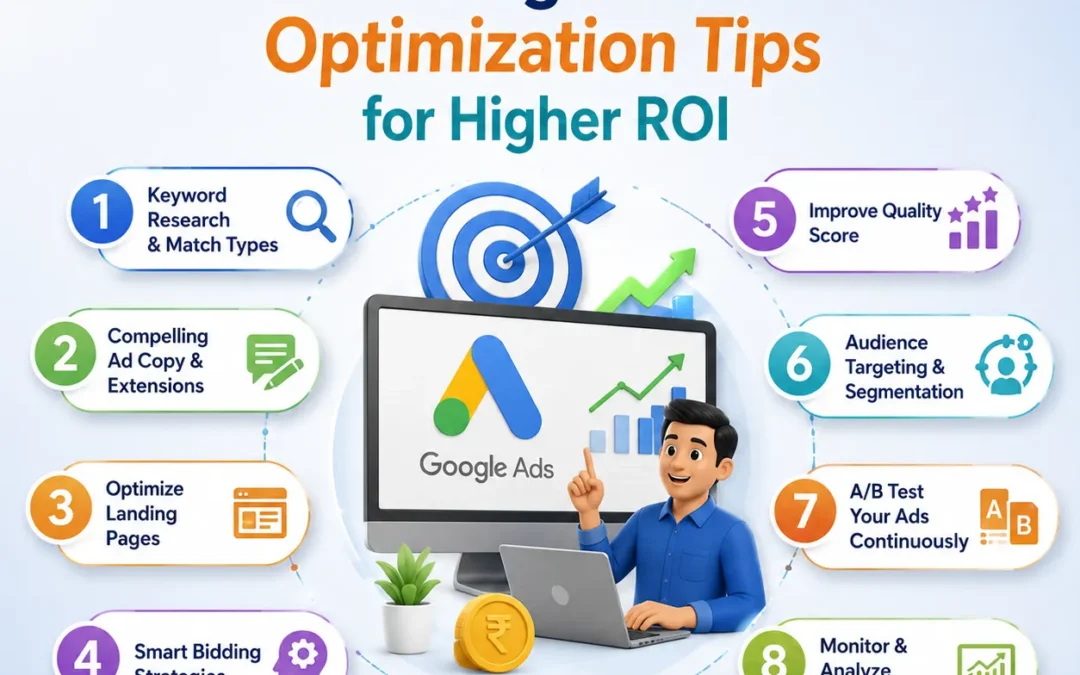
Google Ads: 8 Powerful Tips for Higher ROI
A practical guide to PPC advertising, ROI optimization, paid marketing, campaign tracking, landing pages, and Google advertising success.
Introduction
Google Ads can be one of the fastest ways to generate targeted traffic, qualified leads, and measurable sales. However, simply running ads is not enough. Without proper optimization, businesses can quickly waste budget on irrelevant clicks, low-quality traffic, and poor conversion rates.
Successful PPC advertising depends on strategy, targeting, keyword selection, landing page quality, conversion tracking, and continuous improvement. With the right ROI optimization approach, paid marketing can become a powerful growth channel for businesses of all sizes.
In this guide, we will explore 8 practical optimization tips that can help improve campaign performance, reduce wasted spend, and deliver better return on investment.
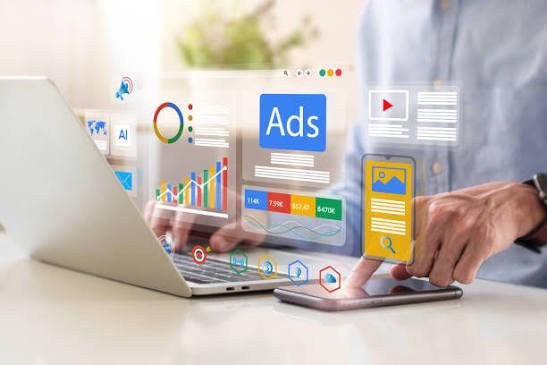
Google Ads dashboard for tracking clicks, conversions, cost per lead, and ROI
Table of Contents
- Why Google Ads Optimization Matters
- 1. Define Clear Campaign Goals
- 2. Use High-Intent Keywords
- 3. Improve Ad Copy and CTR
- 4. Optimize Landing Pages
- 5. Use Negative Keywords
- 6. Set Up Conversion Tracking
- 7. Optimize Bidding and Budget
- 8. Test and Improve Campaigns Regularly
- Poor Campaign Setup vs Optimized Campaign
- Common Google Ads Mistakes
- Frequently Asked Questions
Why Google Ads Optimization Matters
Google advertising gives businesses access to customers who are actively searching for products and services. But competition is high, and every click costs money. If the campaign is not structured correctly, the budget may be spent without enough enquiries or sales.
Optimization helps businesses reduce wasted spend, improve ad relevance, increase conversion rates, and maximize return on investment. It also helps identify which keywords, ads, locations, devices, and landing pages produce the best results.
Reach users who are more likely to enquire or purchase.
Reduce irrelevant clicks and improve budget control.
Improve landing pages, CTAs, and campaign relevance.
Focus spend on campaigns that generate measurable results.
1. Start With Clear Campaign Goals
Before launching any campaign, define exactly what you want Google Ads to achieve. Different goals require different campaign structures, bidding strategies, keywords, landing pages, and conversion actions.
Common Campaign Goals
- Generate qualified leads
- Increase phone calls
- Drive online sales
- Promote local services
- Increase website traffic
- Book consultations
- Improve remarketing conversions
Clear goals make it easier to measure success and optimize campaigns effectively. A lead generation campaign, for example, should focus on forms, calls, WhatsApp clicks, and appointment bookings rather than only traffic.
2. Target High-Intent Keywords
Keyword selection plays a major role in PPC advertising success. High-intent keywords attract users who are closer to taking action, while broad informational keywords may bring traffic without conversions.
Examples of High-Intent Keywords
- Best service provider near me
- Get a quote
- Hire professional services
- Affordable business solutions
- Service company in my city
- Book consultation
- Professional agency for business
Focusing on buyer-intent keywords improves lead quality and supports ROI optimization. Campaigns should also separate branded, service-based, local, and competitor-related keywords where needed.
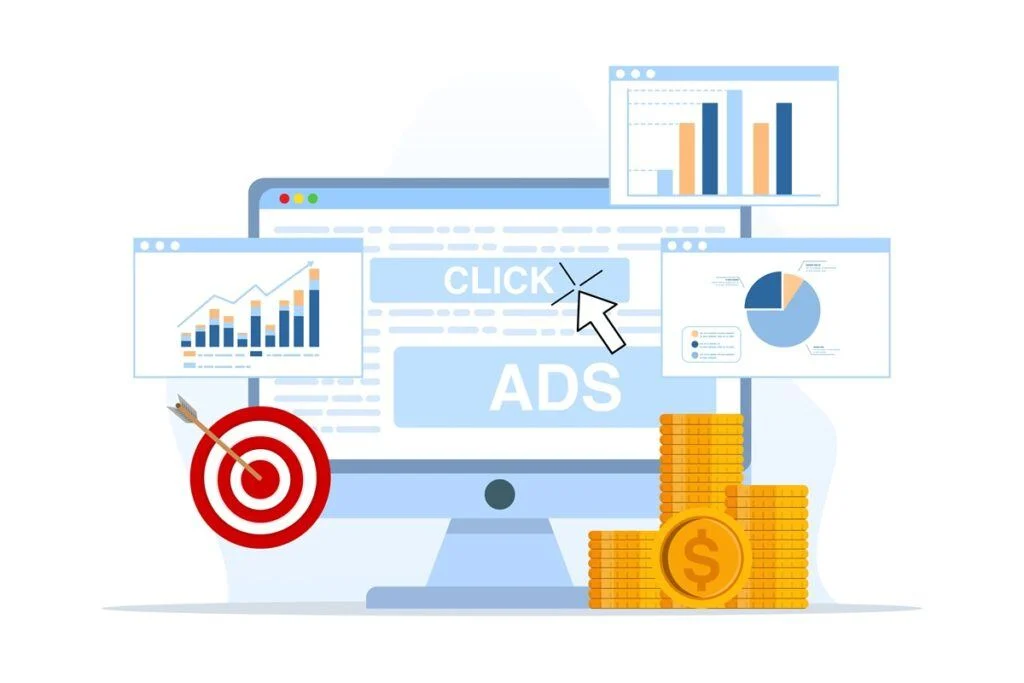
Keyword strategy helps campaigns attract users with stronger buying intent
3. Improve Ad Copy and Click-Through Rate
Your ad copy should clearly explain your offer, benefits, and reason to click. If the message is weak, users may ignore the ad even if the targeting is correct.
Strong Ad Copy Should Include
- Primary keyword or service term
- Clear value proposition
- Trust signals
- Location or service relevance
- Strong call-to-action
- Benefit-focused language
- Offer or consultation message
Better ad copy improves click-through rate and can help improve campaign efficiency. Testing multiple headlines and descriptions also helps identify which message attracts better-quality traffic.
4. Optimize Landing Pages for Conversions
Even the best ads will fail if the landing page is weak. A landing page should match the ad message and make it easy for users to take action.
Sending paid traffic to a generic homepage can reduce conversions because users may not immediately find the offer, service details, or enquiry form they expected.
Landing Page Optimization Tips
- Use a clear headline
- Add a visible CTA
- Keep forms short
- Include testimonials
- Improve page speed
- Make it mobile-friendly
- Add trust signals and service benefits
- Match the landing page with the ad promise
Landing page quality directly affects conversions and paid marketing ROI.

Landing page optimization improves conversions from paid traffic
5. Use Negative Keywords to Reduce Wasted Spend
Negative keywords prevent your ads from showing for irrelevant searches. They are essential for reducing wasted budget and improving traffic quality.
For example, if you offer premium services, you may want to exclude terms like “free,” “cheap,” “jobs,” “training,” or unrelated informational searches.
Benefits of Negative Keywords
- Reduce irrelevant clicks
- Improve traffic quality
- Lower wasted budget
- Improve conversion rate
- Strengthen campaign performance
- Protect budget from poor search terms
Review the search terms report regularly to find irrelevant queries and add them as negatives.
6. Set Up Accurate Conversion Tracking
Without tracking, you cannot know which campaigns, keywords, or ads are producing results. Conversion tracking helps businesses make smarter decisions and avoid optimizing based only on clicks.
Important Conversions to Track
- Form submissions
- Phone calls
- WhatsApp clicks
- Purchases
- Appointment bookings
- Quote requests
- Lead magnet downloads
Conversion tracking helps make smarter Google advertising decisions. You can learn more from Google Ads Conversion Tracking Help and Google Analytics Help.

Conversion tracking helps identify campaigns that generate real leads and sales
7. Optimize Bidding and Budget Allocation
Smart budget management helps ensure your money goes toward campaigns that deliver results. If every campaign receives the same budget without performance review, strong campaigns may be underfunded and weak campaigns may waste spend.
Budget Optimization Methods
- Increase budget for high-performing campaigns
- Pause low-performing keywords
- Test automated bidding strategies
- Review cost per conversion
- Adjust bids by location and device
- Monitor daily budget usage
- Separate brand and non-brand campaigns
ROI optimization requires continuous budget monitoring and adjustment based on real conversion data.
8. Test and Improve Campaigns Regularly
Google Ads optimization is an ongoing process. Businesses should test different ad copies, keywords, landing pages, audiences, bidding strategies, and offers to find the best-performing combinations.
What to Test
- Ad headlines
- Descriptions
- CTA buttons
- Landing page layouts
- Keyword match types
- Audience segments
- Offer positioning
- Device and location performance
Regular testing improves PPC advertising performance over time and helps businesses keep campaigns competitive.
PPC testing helps improve ad performance, landing pages, and campaign ROI
Poor Campaign Setup vs Optimized Campaign
| Area | Poor Setup | Optimized Campaign |
|---|---|---|
| Goals | No clear conversion goal | Defined leads, calls, sales, or bookings |
| Keywords | Broad and irrelevant searches | High-intent keywords and negative keyword control |
| Ad Copy | Generic message | Benefit-focused copy with strong CTA |
| Landing Page | Traffic sent to homepage | Dedicated page with form, CTA, proof, and matching message |
| Tracking | Clicks tracked only | Forms, calls, sales, and cost per conversion tracked |
Common Google Ads Mistakes Businesses Should Avoid
Track forms, calls, WhatsApp clicks, purchases, and bookings.
Too many broad terms can attract irrelevant clicks.
Exclude searches that waste budget and do not convert.
Use dedicated pages instead of sending all traffic to the homepage.
Make landing pages fast, responsive, and easy to use on mobile.
Review search terms, costs, conversions, and lead quality consistently.
Continue Reading
Frequently Asked Questions
Q: What is Google Ads optimization?
Google Ads optimization is the process of improving campaigns to reduce wasted spend, increase conversions, improve lead quality, and achieve better ROI.
Q: How does PPC advertising help businesses?
PPC advertising helps businesses reach targeted customers quickly through paid search, display, shopping, video, and remarketing campaigns.
Q: How can I improve ROI from Google Ads?
You can improve ROI by targeting high-intent keywords, improving landing pages, using negative keywords, tracking conversions, and optimizing bids.
Q: Why is conversion tracking important?
Conversion tracking shows which ads, keywords, and campaigns generate leads or sales, helping businesses make data-driven decisions.
Q: Is Google advertising suitable for small businesses?
Yes. Google advertising can help small businesses generate targeted leads quickly when campaigns are properly structured and optimized.
Want Better ROI From Google Ads?
A well-optimized paid campaign helps your business reduce wasted spend, improve lead quality, increase conversions, and generate measurable results.
Logicraftz Solutions LLP creates and optimizes paid marketing campaigns designed to generate qualified leads, improve conversions, and maximize ROI.
Introduction
Businesses today operate in highly competitive digital markets where attracting the right audience at the right time is essential for success. While organic marketing delivers long-term value, paid advertising allows organizations to reach potential customers immediately through highly targeted campaigns. Whether the objective is generating enquiries, increasing online sales, promoting new products, or expanding into new markets, paid campaigns provide measurable opportunities to accelerate growth.
A successful PPC advertising strategy combines audience targeting, compelling ad copy, optimized landing pages, and continuous performance monitoring. When supported by effective Google advertising, intelligent paid marketing, and ongoing ROI optimization, businesses can maximize every advertising investment while attracting qualified prospects that are more likely to convert into customers.
Organizations across industries such as manufacturing, healthcare, education, retail, logistics, hospitality, finance, real estate, and professional services use paid search campaigns to improve visibility, strengthen customer acquisition, and achieve measurable business outcomes.
Understanding PPC Advertising
PPC advertising (Pay-Per-Click) is a digital marketing model where businesses pay only when users click on their advertisements. Unlike traditional advertising methods, campaigns can be measured precisely, allowing organizations to evaluate performance and improve results continuously.
This advertising approach enables businesses to:
- Reach targeted audiences
- Control daily budgets
- Measure campaign performance
- Increase qualified enquiries
- Promote specific products
- Drive website visits
- Support seasonal campaigns
- Improve local visibility
- Generate online sales
- Expand market reach
Because every click can be tracked, organizations gain valuable insights into customer behaviour and campaign effectiveness.
Why Google Advertising Matters
Millions of users search online every day for products, services, and business solutions. Google advertising enables organizations to appear at the moment potential customers are actively searching for relevant information.
Businesses can promote:
- Products
- Professional services
- Local businesses
- E-commerce stores
- Educational programs
- Healthcare services
- Manufacturing solutions
- Technology platforms
- Events
- Promotional offers
Appearing prominently within search results increases visibility while improving opportunities for customer engagement.
Building an Effective Paid Marketing Strategy
Successful paid marketing requires careful planning rather than simply increasing advertising budgets.
Businesses should focus on:
- Defining campaign objectives
- Understanding customer intent
- Selecting relevant keywords
- Creating compelling advertisements
- Designing optimized landing pages
- Setting realistic budgets
- Monitoring campaign performance
- Testing multiple ad variations
- Improving conversion rates
- Continuously optimizing campaigns
Organizations that follow a structured approach often achieve stronger long-term performance while reducing unnecessary advertising costs.
ROI Optimization Maximizes Advertising Investment
Every advertising investment should contribute toward measurable business objectives. ROI optimization focuses on improving campaign profitability by increasing conversions while reducing unnecessary spending.
Important performance indicators include:
- Cost per click
- Conversion rate
- Cost per acquisition
- Revenue generated
- Customer lifetime value
- Click-through rate
- Quality Score
- Landing page performance
- Advertising spend
- Overall profitability
Regular performance analysis helps businesses identify opportunities for improvement while ensuring advertising budgets are invested efficiently.
Understanding Customer Intent
Successful campaigns begin with understanding why customers perform specific searches. Some users seek information, while others compare products or are ready to make a purchase.
Creating advertisements that match customer intent improves engagement and increases conversion opportunities. Businesses that deliver relevant messaging supported by valuable landing pages create better user experiences while improving campaign performance.
Understanding customer behaviour also enables organizations to develop more effective advertising strategies that align with real purchasing decisions rather than assumptions.
Landing Page Optimization Improves Conversion Rates
A successful advertising campaign does not end when a visitor clicks an advertisement. The landing page plays a critical role in converting visitors into potential customers. If the page loads slowly, provides unclear information, or makes it difficult for users to take action, valuable opportunities may be lost.
An effective landing page should include:
- Clear and engaging headlines
- Relevant service information
- Simple navigation
- Fast loading speed
- Mobile-friendly design
- Strong call-to-action buttons
- Customer testimonials
- Trust indicators
- Easy enquiry forms
- Contact information
Every element should guide visitors toward completing a desired action, whether submitting an enquiry, requesting a quotation, scheduling a consultation, or making a purchase.
Audience Targeting Improves Campaign Performance
One of the greatest advantages of paid advertising is the ability to reach highly specific audiences. Instead of promoting services to everyone, businesses can focus on users who are most likely to become customers.
Campaigns can be refined using:
- Geographic locations
- Languages
- Age groups
- Interests
- Search behaviour
- Device preferences
- Previous website visitors
- Customer segments
- Time schedules
- Audience demographics
Accurate audience targeting reduces unnecessary advertising costs while improving campaign relevance and conversion potential.
Continuous Campaign Monitoring
Successful advertising requires ongoing optimization rather than a one-time setup. Markets change, competitors adjust their campaigns, and customer behaviour evolves over time.
Businesses should regularly evaluate:
- Click-through rates
- Conversion performance
- Cost per acquisition
- Search term reports
- Keyword effectiveness
- Ad relevance
- Landing page engagement
- Budget utilization
- Device performance
- Geographic results
Making data-driven improvements helps campaigns remain competitive while improving long-term performance.
Why Businesses Choose Logicraftz
Logicraftz helps businesses maximize their advertising investment through customized digital marketing solutions designed around measurable business objectives. Every campaign begins with understanding the client's industry, target audience, competition, and growth goals before creating a tailored advertising strategy.
The company provides comprehensive services including campaign planning, keyword research, audience targeting, landing page optimization, conversion tracking, search engine optimization, AI-powered automation, performance reporting, and continuous optimization. Rather than relying on generic campaign templates, Logicraftz develops customized solutions that improve customer acquisition while controlling advertising costs.
With a strong focus on transparency, measurable performance, and continuous improvement, Logicraftz enables organizations to strengthen their online presence, attract qualified enquiries, improve conversion rates, and achieve sustainable business growth. By combining strategic planning, technical expertise, and data-driven optimization, the company helps businesses remain competitive while maximizing the value of every digital advertising investment.