Call Logicraftz Professionals +912231982472 to explore ERP benefits, manufacturing ERP, ERP analytics, GST ERP, and SME ERP solutions.
7 Key ERP Benefits for Growing Companies
A practical guide to improving operations, reporting, GST compliance, manufacturing control, and business efficiency.
Introduction
ERP benefits are important for growing companies that want better control over finance, sales, inventory, production, GST records, and daily operations. As a business expands, spreadsheets and disconnected tools often create delays, errors, and confusion.
A modern ERP system brings key business processes into one connected platform. It helps teams manage work faster, reduce manual effort, improve reporting, and make better decisions.
For manufacturers, SMEs, distributors, and service companies, the right enterprise platform can support long-term growth with better visibility and process control.

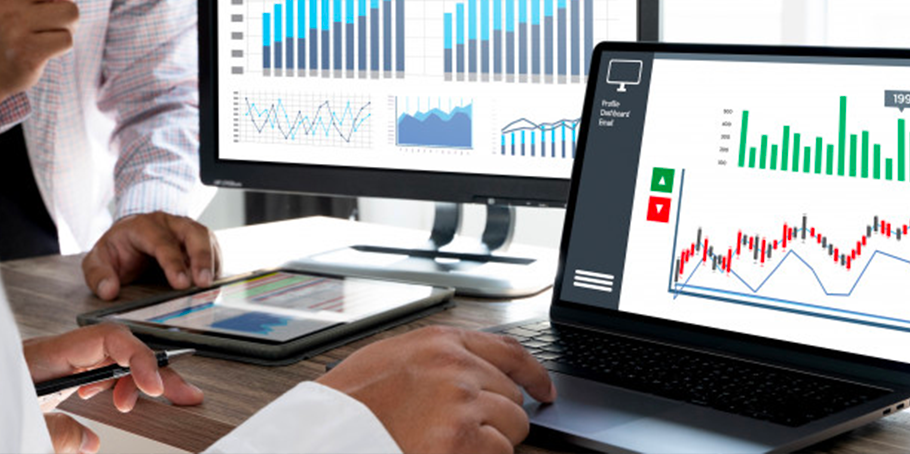
ERP dashboard for business efficiency, automation, and operational visibility.
Table of Contents
Why ERP Benefits Growing Companies
Growing companies handle more orders, customers, vendors, inventory movement, production tasks, invoices, and tax records. Without a centralized system, teams may waste time searching for data or correcting duplicate entries.
An ERP platform creates one source of truth for the business. It connects departments and helps owners understand what is happening across finance, inventory, sales, and operations.
A Connected ERP Platform Helps You:
- Centralize business data
- Improve manufacturing workflows
- Track inventory and purchases
- Manage GST and finance records
- Use ERP analytics for reporting
- Support SME ERP growth
- Reduce manual errors
7 Key ERP Benefits for Growing Companies
1. Centralized Business Data
One of the biggest advantages of ERP software is centralized data. Sales, finance, purchase, inventory, production, HR, and reports can be managed from one system instead of multiple files.
This helps teams work with updated information and reduces confusion between departments.
2. Better Manufacturing ERP Control
manufacturer ERP helps companies manage production planning, raw materials, work orders, quality checks, stock movement, and dispatch schedules.
For factories and production-based companies, this improves visibility across the complete manufacturing process.
3. Improved Inventory and Purchase Management
Inventory mistakes can affect sales, delivery, and profitability. ERP software helps track stock levels, warehouse movement, purchase orders, supplier records, and reorder alerts.
With better inventory control, companies can reduce stock shortages, overstocking, and manual tracking errors.
4. Smarter ERP Analytics and Reporting
ERP analytics gives business owners access to important reports and dashboards. Teams can review sales trends, cash flow, stock value, production output, purchase history, and operational performance.
Better reporting helps management take faster and more confident decisions.
5. GST ERP Support for Finance Teams
GST ERP features help businesses manage tax invoices, purchase records, sales entries, GST reports, billing, and compliance-related data in a structured way.
This reduces manual accounting pressure and improves financial accuracy.
6. SME ERP for Scalable Growth
SME ERP solutions are useful for small and medium businesses that need better control without depending on complex manual systems.
They support sales, finance, inventory, customer records, reporting, and operations as the business grows.
7. Better Collaboration and Productivity
When every department works from shared data, communication becomes easier. Sales can check stock, finance can review billing, and management can track performance from one platform.
These ERP benefits help companies reduce delays, improve productivity, and build a stronger foundation for growth.
You can learn more about enterprise resource planning from Oracle ERP Guide.

manufacturer ERP workflows help teams manage production, approvals, inventory, and dispatch.
Manual Tools vs ERP System
| Manual Tools | ERP System |
|---|---|
| Data scattered across files | Centralized business information |
| Slow reporting | Real-time dashboards |
| Inventory mismatch risk | Better stock visibility |
| Manual GST and billing records | Structured finance and tax data |
| Limited production tracking | Better manufacturing workflow control |
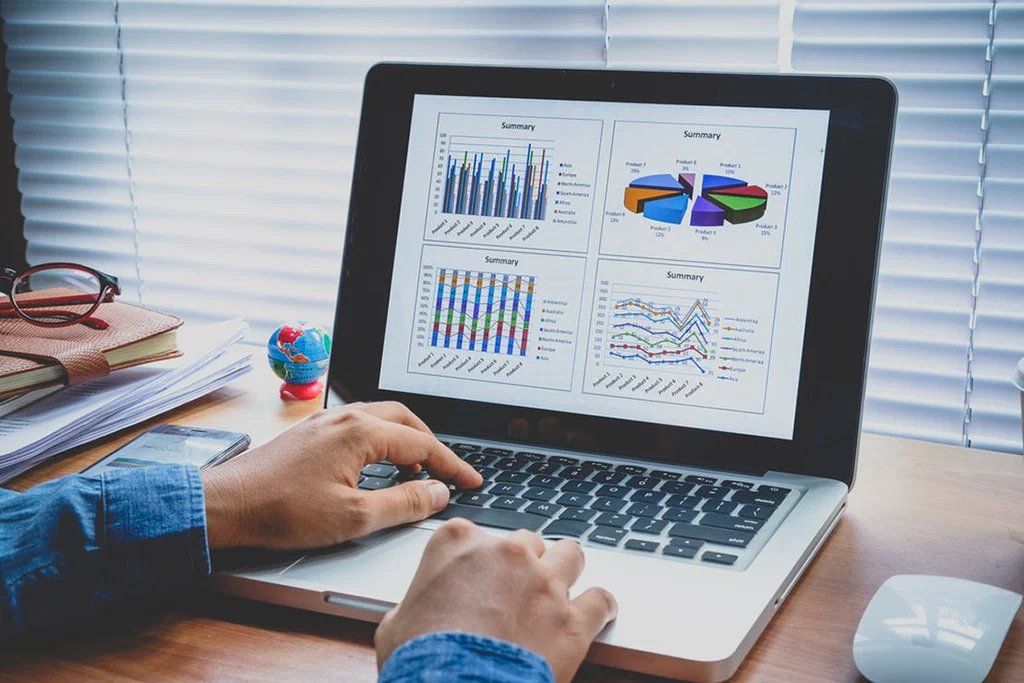
ERP analytics helps owners track sales, finance, inventory, production, and operations.
Common ERP Mistakes to Avoid
ERP implementation works best when the planning is clear. Many businesses face issues because they start without mapping processes, cleaning data, or training employees.
- Choosing software without understanding business needs
- Ignoring manufacturing ERP requirements
- Not planning GST ERP workflows properly
- Skipping employee training
- Using duplicate or outdated data during migration
- Not setting reporting goals
- Ignoring inventory and finance workflows
- Over-customizing unnecessary features
- Not reviewing system performance after launch
- Missing support and maintenance planning
How Logicraftz Helps Businesses Implement ERP
Logicraftz Solutions LLP helps businesses build and implement ERP solutions for finance, inventory, production, GST, reporting, and daily operations.
Our ERP Services Include:
- ERP requirement analysis
- Manufacturing workflow planning
- Inventory module setup
- GST and billing features
- ERP analytics dashboards
- SME ERP customization
- User training and support
- Maintenance and optimization

GST and finance dashboards support better billing, compliance, and business planning.
Frequently Asked Questions
What are ERP benefits for growing companies?
ERP benefits include centralized data, better inventory control, GST-ready finance records, faster reporting, improved collaboration, and scalable growth.
What is manufacturing ERP?
manufacturer ERP is software that helps manage production planning, raw materials, work orders, inventory, quality checks, and dispatch workflows.
How does ERP analytics help business owners?
ERP analytics provides dashboards and reports for sales, finance, inventory, production, purchases, and operational performance.
Why is GST ERP useful?
GST ERP helps businesses manage tax invoices, sales records, purchase data, GST reports, and finance compliance more efficiently.
Is SME ERP suitable for small businesses?
Yes. SME ERP is useful for small and medium businesses that need better control over finance, inventory, sales, operations, and reporting.
Continue Reading
Ready to Improve Your Business With ERP?
A modern ERP system helps businesses improve inventory, finance, GST compliance, production control, reporting, and team productivity.
Logicraftz Solutions LLP builds ERP solutions for SMEs, manufacturers, distributors, retailers, and growing companies that need better operational control.
Introduction
Manufacturing businesses operate in an environment where efficiency, precision, and timely decision-making directly influence profitability. Managing production planning, procurement, inventory, finance, quality control, warehousing, and customer orders through disconnected applications often results in delays, data duplication, and operational inefficiencies. As competition continues to increase, manufacturers require integrated technology that provides complete visibility across every business function.
A modern manufacturing ERP platform helps organizations centralize operations, improve collaboration, and streamline workflows through a single digital environment. Supported by intelligent ERP analytics, compliant GST ERP capabilities, and scalable SME ERP solutions for growing businesses, manufacturers can improve productivity while building a strong foundation for sustainable growth.
Whether producing industrial equipment, consumer goods, food products, pharmaceuticals, automotive components, chemicals, or engineering products, integrated business platforms enable organizations to improve operational control and respond quickly to market demands.
Understanding Manufacturing ERP
A manufacturing ERP solution connects every operational department into one centralized platform. Instead of maintaining separate systems for accounting, purchasing, production planning, inventory management, payroll, dispatch, and reporting, organizations manage all essential activities through a unified database.
This connected approach improves information accuracy while reducing manual work.
Employees gain access to real-time operational data, allowing departments to coordinate activities more effectively and improve communication across the organization.
A centralized platform also provides leadership teams with complete visibility into manufacturing performance, helping them identify opportunities for improvement before operational issues become costly.
Why Manufacturing Businesses Need Integrated Systems
Production environments involve hundreds of interconnected activities every day.
Raw material procurement, production scheduling, machine utilization, quality inspections, warehouse operations, dispatch planning, supplier coordination, and financial reporting must work together seamlessly.
Without an integrated platform, businesses often experience:
- Delayed production schedules
- Duplicate information
- Inventory inaccuracies
- Higher operating costs
- Communication gaps
- Procurement delays
- Manual reporting
- Limited operational visibility
- Poor resource utilization
- Slower decision-making
An integrated operational environment eliminates these challenges by ensuring information automatically flows between departments.
Production Planning Made Simpler
Efficient production planning ensures materials, machinery, and employees are available at the right time.
A centralized operational platform helps production managers monitor:
- Work orders
- Production schedules
- Material availability
- Machine capacity
- Labor allocation
- Finished goods
- Manufacturing costs
- Production timelines
- Maintenance planning
- Delivery commitments
Having complete visibility allows organizations to reduce downtime, improve productivity, and deliver products on schedule.
ERP Analytics Supports Smarter Decisions
Modern ERP analytics transforms operational information into valuable business insights.
Interactive dashboards enable management teams to evaluate performance using real-time information rather than manually prepared reports.
Organizations can analyze:
- Production efficiency
- Inventory turnover
- Financial performance
- Procurement activities
- Workforce productivity
- Customer demand
- Supplier performance
- Operational costs
- Delivery performance
- Business trends
These insights support faster decision-making while helping organizations continuously improve operational performance.
GST ERP Simplifies Financial Compliance
Managing taxation accurately is essential for businesses operating in India.
A reliable GST ERP platform helps organizations simplify compliance by integrating taxation directly into financial and operational processes.
Key capabilities include:
- GST-compliant invoicing
- Tax calculation
- Purchase tracking
- Sales reporting
- Input tax credit management
- Return preparation support
- Financial reconciliation
- Audit-ready records
- Compliance reporting
- Accurate transaction history
Integrating taxation with finance and inventory reduces manual calculations while improving reporting accuracy and operational transparency.
SME ERP Helps Growing Businesses Scale
Growing organizations require technology that supports expansion without increasing operational complexity.
A flexible SME ERP platform provides small and medium-sized businesses with enterprise-level capabilities while remaining cost-effective and easy to manage.
Benefits include:
- Centralized operations
- Improved financial visibility
- Better inventory control
- Streamlined procurement
- Faster reporting
- Improved collaboration
- Resource optimization
- Better customer service
- Scalable operations
- Stronger business planning
As organizations grow, they can expand functionality without replacing their existing systems, ensuring long-term value from their technology investment.
Inventory Management Improves Production Efficiency
Inventory is one of the most valuable assets for any manufacturing organization. Maintaining the right quantity of raw materials, semi-finished products, and finished goods ensures uninterrupted production while reducing unnecessary storage costs.
An integrated management platform provides complete visibility into inventory movement across warehouses and production units. Managers can monitor stock availability, material consumption, reorder levels, and warehouse transfers in real time.
Key inventory advantages include:
- Accurate stock visibility
- Faster warehouse operations
- Reduced inventory shortages
- Better demand planning
- Improved material traceability
- Lower carrying costs
- Optimized warehouse space
- Faster dispatch planning
- Better procurement coordination
- Improved order fulfillment
When inventory information remains accurate, production schedules become more reliable and customer deliveries become more consistent.
Procurement and Vendor Management
Strong supplier relationships contribute directly to manufacturing success. Procurement teams must evaluate vendors, compare quotations, manage purchase orders, and ensure timely delivery of materials.
A centralized purchasing process allows organizations to:
- Track supplier performance
- Compare purchase history
- Monitor contract compliance
- Generate purchase orders
- Approve procurement requests
- Review delivery schedules
- Maintain vendor records
- Monitor procurement costs
- Reduce purchasing delays
- Improve supplier communication
Better procurement management reduces operational risks while ensuring production departments receive materials on time.
Quality Control and Compliance
Maintaining product quality is essential for customer satisfaction and long-term business success. Manufacturers need standardized inspection procedures that ensure products meet internal quality standards and regulatory requirements.
Integrated quality management enables organizations to:
- Record inspection results
- Monitor production quality
- Track rejected materials
- Analyze recurring defects
- Improve corrective actions
- Maintain inspection history
- Support certification processes
- Improve traceability
- Reduce production waste
- Enhance customer confidence
Quality information connected with production and inventory creates faster decision-making while reducing manufacturing defects.
Financial Visibility Across Operations
Manufacturing organizations require complete financial transparency to maintain profitability.
Integrated financial management allows businesses to monitor:
- Revenue performance
- Manufacturing costs
- Material expenses
- Labor expenses
- Operational overhead
- Cash flow
- Budget utilization
- Asset management
- Profitability analysis
- Financial forecasting
Having financial information connected with production and procurement provides management with a complete understanding of organizational performance.
Better financial visibility supports strategic investment decisions while improving cost control.
Workforce Productivity and Resource Planning
Employees remain the driving force behind successful manufacturing operations. Improving workforce productivity requires accurate scheduling, efficient communication, and structured operational processes.
Organizations can improve workforce management through:
- Employee attendance monitoring
- Shift scheduling
- Production assignments
- Skill allocation
- Performance monitoring
- Training management
- Leave administration
- Workforce reporting
- Compliance documentation
- Safety monitoring
Providing supervisors with accurate workforce information improves operational planning while ensuring resources are utilized effectively.
Cloud Technology Enables Manufacturing Flexibility
Cloud-based platforms allow manufacturing businesses to access operational information securely from multiple production facilities, warehouses, branch offices, and customer locations.
Cloud deployment offers several advantages:
- Remote accessibility
- Automatic software updates
- Secure backups
- Business continuity
- Lower infrastructure costs
- Improved scalability
- Enhanced collaboration
- Disaster recovery
- Faster implementation
- High system availability
These capabilities support organizational growth while reducing technology maintenance requirements.
Artificial Intelligence Improves Operational Planning
Artificial intelligence is helping manufacturers improve efficiency through predictive insights and intelligent recommendations.
AI-powered capabilities support:
- Demand forecasting
- Production optimization
- Predictive maintenance
- Inventory forecasting
- Capacity planning
- Procurement planning
- Quality trend analysis
- Cost optimization
- Operational forecasting
- Performance monitoring
These intelligent recommendations allow organizations to identify opportunities before problems affect production performance.
Better Reporting Through ERP Analytics
Reliable information enables stronger leadership decisions. Modern ERP analytics provides management with dashboards that display operational performance in real time.
Business leaders can evaluate:
- Production efficiency
- Financial health
- Inventory movement
- Supplier performance
- Warehouse productivity
- Customer demand
- Manufacturing costs
- Resource utilization
- Delivery accuracy
- Department performance
Instead of relying on manually compiled reports, organizations gain immediate access to meaningful insights that improve planning and operational control.
GST ERP Supports Regulatory Compliance
Manufacturers operating in India must maintain accurate taxation records while ensuring compliance with applicable regulations.
A well-designed GST ERP environment simplifies tax administration by connecting finance, purchasing, inventory, and sales activities within one system.
Organizations benefit from:
- Automated tax calculations
- GST-compliant invoices
- Purchase and sales reconciliation
- Input tax credit tracking
- Return preparation support
- Audit-ready documentation
- Accurate transaction history
- Financial transparency
- Reduced manual calculations
- Better compliance management
These capabilities reduce reporting errors while helping finance teams work more efficiently.
SME ERP Enables Sustainable Growth
Growing manufacturers require technology that can expand alongside the business. A scalable SME ERP platform provides smaller organizations with powerful operational capabilities while remaining flexible and cost-effective.
Businesses can improve:
- Production planning
- Inventory control
- Procurement coordination
- Financial reporting
- Employee productivity
- Customer service
- Operational visibility
- Department collaboration
- Resource planning
- Long-term scalability
As business requirements evolve, organizations can add new users, departments, locations, and capabilities without replacing the entire system.
Why Manufacturers Choose Logicraftz
Logicraftz helps manufacturing organizations modernize operations through customized digital solutions designed around practical business requirements. Every implementation begins with a detailed understanding of existing workflows, operational challenges, and future objectives.
The company delivers comprehensive services including business consultation, solution planning, customization, implementation, data migration, integration, testing, employee training, deployment, and ongoing technical support.
With expertise across manufacturing, engineering, pharmaceuticals, food processing, retail, logistics, healthcare, education, and professional services, Logicraftz develops scalable solutions that improve operational efficiency, reporting accuracy, collaboration, and resource utilization.
Rather than delivering generic software, Logicraftz creates technology tailored to each organization's workflow, ensuring businesses achieve measurable improvements in productivity, operational visibility, and long-term performance.
Preparing for the Future of Manufacturing
Manufacturing continues to evolve through automation, connected machines, cloud computing, predictive analytics, and artificial intelligence. Organizations that embrace innovation today are better prepared to respond to changing customer expectations, supply chain disruptions, and increasing market competition.
Investing in a well-planned manufacturing ERP initiative, supported by intelligent ERP analytics, reliable GST ERP capabilities, and scalable SME ERP functionality, enables businesses to improve efficiency, strengthen compliance, optimize resources, and create a resilient operational foundation for sustainable growth.
Manufacturers that continuously improve their processes, invest in employee development, and leverage modern technology will remain competitive while delivering consistent quality, operational excellence, and long-term value to customers and stakeholders.