

Call Logicraftz Professionals +912231982472 to improve content marketing, websites traffic, SEO content, content strategy, and digital marketing performance.
Content Marketing: 6 Powerful Traffic Strategies
A practical guide to increasing websites traffic with SEO content, content strategy, digital marketing, and performance tracking.
Introduction
Content marketing is one of the most effective ways to attract the right audience, build trust, and increase websites traffic. In a competitive digital marketplace, businesses need helpful, search-optimized, and audience-focused content to stand out online.
A strong content strategy helps businesses publish content that answers customer questions, improves search visibility, and supports lead generation. When combined with digital marketing, content can become a long-term growth asset for your business.
Whether you are creating blogs, service pages, guides, videos, or case studies, high-quality SEO content can help increase organic traffic and bring more qualified visitors to your website.

Content dashboard for tracking traffic, rankings, leads, and performance
Table of Contents
- Why Content Marketing Matters
- 1. Create SEO-Focused Blog Content
- 2. Build Topic Clusters
- 3. Optimize Existing Website Content
- 4. Use Long-Form Educational Content
- 5. Repurpose Content Across Channels
- 6. Track Performance and Improve Content
- Random Content vs Strategic Content
- Common Content Marketing Mistakes
- Frequently Asked Questions
Why Content Marketing Matters for Website Traffic
Customers search online before making business decisions. They compare solutions, read blogs, check service pages, and look for expert advice before contacting a company. Helpful content allows your business to appear during this research process.
Instead of only selling, strong content educates users and builds confidence in your brand. It also improves search engine visibility, supports lead generation, and strengthens your overall digital marketing performance.
Optimized content can attract visitors from search engines consistently.
Relevant pages help your website appear for more customer searches.
Educational content builds authority and customer confidence.
Useful content guides visitors toward enquiries and conversions.
1. Create SEO-Focused Blog Content
SEO-focused blog content helps your website rank for keywords your customers are searching for. Each blog should target a specific topic, search intent, and keyword cluster.
Before writing, businesses should understand what their audience is looking for. Some users want information, some compare options, and others are ready to contact a service provider. Matching content with search intent improves traffic quality.
SEO Blog Content Tips
- Use keyword research before writing
- Target informational and commercial search intent
- Add clear H2 and H3 headings
- Use internal links naturally
- Add FAQs to answer related searches
- Optimize meta title and description
- Use descriptive image alt text
Consistent SEO content publishing can gradually increase organic websites traffic and improve your brand’s visibility in search results.
2. Build Topic Clusters for Stronger Authority
Topic clusters help organize your website content around major themes. A pillar page covers the main topic, while supporting blogs explain related subtopics in detail.
This structure helps search engines understand your expertise and improves topical authority. It also gives users a better reading journey because they can move from one related topic to another.
Example Topic Cluster
- Main topic: Digital Marketing
- Supporting blog: SEO Techniques
- Supporting blog: Social Media Marketing Trends
- Supporting blog: Google Ads Optimization
- Supporting blog: Content Marketing Strategies
- Supporting blog: Lead Generation Campaigns
Topic clusters work best when pages are internally linked and written with clear search intent.

Topic clusters help organize SEO content and improve website authority
3. Optimize Existing Website Content
Many businesses already have website pages but fail to optimize them properly. Updating existing pages can improve websites traffic faster than creating new content from scratch.
Old pages may have weak headings, outdated information, missing internal links, poor readability, or incomplete meta descriptions. Improving these details can help search engines and users understand your content better.
Content Optimization Checklist
- Update outdated information
- Add missing keywords naturally
- Improve headings and subheadings
- Add internal links
- Improve readability
- Add stronger CTAs
- Optimize image alt text
- Review meta title and description
Regular content optimization keeps your website relevant, search-friendly, and useful for visitors.
4. Use Long-Form Educational Content
Long-form content allows businesses to answer customer questions in detail and build authority. It can help users understand a subject deeply before they decide to enquire or purchase.
Detailed SEO content often performs well because it provides value and reduces the need for users to search elsewhere. It also allows businesses to naturally include related keywords, examples, FAQs, and internal links.
Long-Form Content Ideas
- Complete guides
- How-to articles
- Industry reports
- Checklists
- Comparison blogs
- Case studies
- Beginner guides
- Expert tips articles
The goal is not just to make content long, but to make it useful, structured, and easy to read.

Long-form content helps educate users and improve search visibility
5. Repurpose Content Across Digital Marketing Channels
One strong blog can be converted into multiple content formats for different platforms. This helps businesses get more value from every content piece and reach audiences across search, social media, email, and video platforms.
Content Repurposing Ideas
- Blog to social media carousel
- Blog to short video script
- Guide to email newsletter
- Case study to LinkedIn post
- FAQ to Instagram reel
- Checklist to downloadable PDF
- Long blog to infographic
- Webinar to article series
Repurposing helps maximize the value of your content strategy and improves reach across digital marketing channels.

Content repurposing helps brands reach more people across digital channels
6. Track Performance and Improve Content Strategy
Content marketing should be guided by data. Tracking performance helps identify what content brings traffic, leads, engagement, and conversions.
Without tracking, businesses may continue publishing content that does not support growth. With analytics, teams can understand which topics, pages, and keywords deserve more focus.
Metrics to Track
- Organic websites traffic
- Keyword rankings
- Click-through rate
- Average engagement time
- Conversions
- Top-performing pages
- Lead quality
- Internal link performance
You can learn more from Google Analytics Help and Google Search Central.
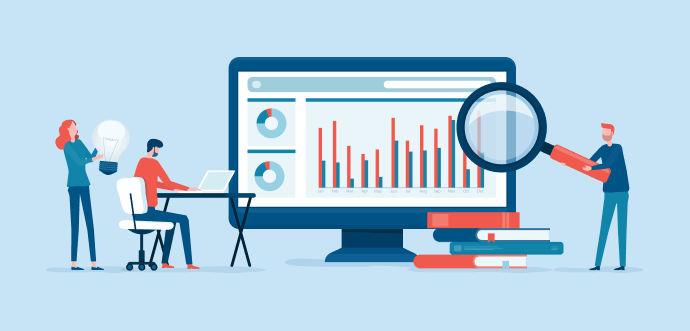
Content analytics helps track traffic, keywords, engagement, and conversions
Random Content vs Strategic Content
| Area | Random Content | Strategic Content |
|---|---|---|
| Planning | Topics chosen without research | Topics based on keywords and audience needs |
| Search Intent | Does not match user needs | Answers specific customer questions |
| Structure | Weak headings and poor flow | Clear H2/H3 structure and readable layout |
| Internal Links | No clear link strategy | Supports topic clusters and service pages |
| Tracking | Performance is not reviewed | Traffic, rankings, leads, and engagement are measured |
Common Content Marketing Mistakes Businesses Should Avoid
Write content based on what customers are searching for.
Helpful depth performs better than shallow content.
Match the content with what users want to learn or do.
Use links to guide users toward related blogs and services.
Clear headlines improve clicks, readability, and engagement.
Measure traffic, ranking, engagement, and conversions.
Continue Reading
Frequently Asked Questions
Q: What is content marketing?
Content marketing is the process of creating valuable content such as blogs, guides, videos, and service pages to attract, educate, and convert customers.
Q: How does content marketing increase websites traffic?
Content marketing increases websites traffic by targeting search keywords, answering customer questions, improving SEO visibility, and attracting organic visitors.
Q: What is SEO content?
SEO content is content created to help websites rank in search engines while providing useful information to readers.
Q: Why is a content strategy important?
A content strategy helps businesses plan topics, keywords, publishing schedules, internal links, and content goals for better digital marketing results.
Q: How often should businesses publish content?
Businesses should publish consistently based on their goals and resources. Quality, relevance, and optimization matter more than posting randomly.
Ready to Drive More Traffic With Content Marketing?
A strong content plan helps your business improve search visibility, attract qualified visitors, build trust, and generate better leads over time.
Logicraftz Solutions LLP creates SEO content and content strategies designed to increase websites traffic, improve visibility, and generate qualified leads.
Introduction
A business website is one of the most valuable digital assets an organization can own. However, simply launching a website is not enough to generate enquiries or increase sales. Businesses need consistent visibility, valuable information, and a structured approach that attracts the right audience. Organizations that invest in high-quality SEO content, a well-planned content strategy, and effective digital marketing can significantly increase websites traffic while building stronger customer relationships.
Today's customers search online before making purchasing decisions. They compare businesses, read informative articles, review products, and evaluate service providers before submitting an enquiry. Companies that consistently publish valuable content and optimize their online presence are more likely to appear in search results, attract qualified visitors, and establish themselves as trusted industry leaders.
Whether serving local markets or national audiences, a strategic content approach creates long-term opportunities for growth while improving brand authority and customer engagement.
Why Website Traffic Matters
Increasing website traffic is not simply about attracting more visitors. The real objective is to bring relevant audiences who are genuinely interested in the products or services offered by the business.
High-quality visitors are more likely to:
- Read service information
- Explore multiple pages
- Download resources
- Submit enquiries
- Request quotations
- Contact the business
- Subscribe to newsletters
- Share content
- Return for future visits
- Become long-term customers
Organizations should focus on attracting qualified visitors rather than pursuing large numbers of untargeted users.
Building an Effective Content Strategy
Every successful website begins with a structured content strategy that aligns business objectives with customer needs.
Instead of publishing random articles, businesses should create information that answers common customer questions and supports each stage of the buying journey.
An effective strategy includes:
- Audience research
- Keyword planning
- Editorial calendars
- Topic clusters
- Service pages
- Educational articles
- Industry updates
- Customer success stories
- Frequently asked questions
- Content performance reviews
Consistent planning ensures every piece of content contributes toward long-term business objectives.
SEO Content Improves Search Visibility
Creating valuable SEO content helps search engines understand what a business offers while providing useful information for potential customers.
Effective optimization includes:
- Clear page structure
- Relevant headings
- Natural keyword placement
- Helpful explanations
- Internal linking
- Image optimization
- Fast page loading
- Mobile responsiveness
- User-focused writing
- Regular updates
Rather than writing only for search engines, businesses should focus on solving customer problems through informative and engaging content.
This approach improves user experience while supporting stronger search performance.
Digital Marketing Expands Online Reach
Modern digital marketing combines multiple online channels to increase brand awareness and connect businesses with their ideal customers.
Organizations commonly use:
- Search engine optimization
- Content marketing
- Social media
- Email communication
- Video marketing
- Paid advertising
- Online reputation management
- Marketing automation
- Analytics
- Conversion optimization
When these channels work together, businesses create a consistent customer experience that strengthens brand recognition and improves long-term results.
Create Valuable Content That Solves Real Problems
Modern search engines reward websites that provide useful, original, and trustworthy information. Instead of publishing articles only to target keywords, businesses should focus on answering customer questions, explaining industry concepts, and offering practical solutions.
Content that genuinely helps readers often performs better because visitors spend more time on the website, explore additional pages, and are more likely to return in the future.
Businesses can publish a variety of resources, including:
- Step-by-step guides
- Industry insights
- Product comparisons
- Customer success stories
- Frequently asked questions
- Case studies
- Expert articles
- How-to tutorials
- Buying guides
- Company updates
Publishing useful information consistently helps establish credibility while encouraging long-term customer engagement.
Improve User Experience Across Every Page
A successful website should be easy to navigate, visually appealing, and accessible on every device. Visitors expect pages to load quickly and provide clear information without unnecessary distractions.
Businesses should regularly improve:
- Navigation menus
- Internal page structure
- Contact forms
- Mobile responsiveness
- Image optimization
- Call-to-action buttons
- Readability
- Accessibility
- Loading speed
- Page layout
A positive browsing experience increases visitor satisfaction while encouraging users to explore additional content.
Search engines also consider user experience when evaluating website quality.
Technical Optimization Supports Better Performance
Behind every successful website is a strong technical foundation. Technical improvements help search engines crawl, understand, and index pages more efficiently.
Important technical improvements include:
- Optimized page titles
- Descriptive meta descriptions
- Structured headings
- XML sitemaps
- Clean website architecture
- Secure HTTPS connections
- Schema markup
- Broken link monitoring
- Canonical URLs
- Image compression
Maintaining strong technical performance improves both user experience and search engine visibility.
Internal Linking Improves Content Discovery
Internal linking helps visitors navigate related information while assisting search engines in understanding relationships between pages.
A strong internal linking structure enables businesses to:
- Connect related service pages
- Link educational articles
- Highlight important resources
- Improve navigation
- Increase page authority
- Encourage longer browsing sessions
- Reduce bounce rates
- Support topic clusters
- Improve indexing
- Strengthen website organization
When visitors easily discover additional information, they spend more time engaging with the website.
Measure Performance Regularly
Continuous improvement begins with understanding how visitors interact with the website.
Organizations should regularly evaluate:
- Visitor behaviour
- Traffic sources
- Page performance
- Session duration
- Conversion rates
- Search visibility
- User engagement
- Device usage
- Geographic locations
- Customer enquiries
Reviewing performance data helps identify opportunities for optimization while supporting informed marketing decisions.
Rather than making assumptions, businesses can improve their online presence using measurable evidence.
Content Updates Keep Information Relevant
Publishing new articles is important, but updating existing pages is equally valuable.
Businesses should regularly review older content to ensure information remains accurate, complete, and relevant.
Updating existing resources may include:
- Refreshing statistics
- Improving readability
- Adding new examples
- Expanding explanations
- Replacing outdated information
- Improving visuals
- Adding frequently asked questions
- Strengthening internal links
- Updating calls to action
- Optimizing metadata
Keeping information current demonstrates expertise while improving overall website quality.
Build Authority Through Expertise
Customers prefer businesses that demonstrate knowledge and experience within their industry.
Organizations can strengthen authority by publishing expert insights, sharing practical advice, explaining industry trends, and showcasing successful projects.
Ways to build credibility include:
- Customer testimonials
- Case studies
- Industry certifications
- Professional achievements
- Educational resources
- Project portfolios
- Expert interviews
- Research findings
- Success stories
- Community involvement
Providing transparent, helpful information encourages trust and supports stronger customer relationships.
Why Businesses Choose Logicraftz
Logicraftz helps businesses strengthen their online presence through intelligent digital solutions designed around measurable business objectives. Every engagement begins with understanding the client's industry, competitors, customer behaviour, and long-term goals before developing a customized growth plan.
The company provides comprehensive services including website development, search engine optimization, AI-powered automation, website optimization, performance analysis, social media marketing, paid advertising, conversion optimization, CRM integration, and technical consulting.
Rather than applying generic marketing techniques, Logicraftz develops customized strategies that improve visibility, customer engagement, operational performance, and long-term profitability.
Continuous monitoring, transparent reporting, and ongoing optimization ensure every project continues delivering measurable value as search engines, customer behaviour, and digital technologies evolve.
Preparing for Long-Term Success
Building a successful online presence requires patience, consistency, and continuous improvement. Businesses that publish valuable information, improve website performance, monitor visitor behaviour, and refine their communication over time create a strong competitive advantage.
A thoughtful content strategy, supported by high-quality SEO content, effective digital marketing, and continuous efforts to increase qualified website traffic, enables organizations to attract the right audience, strengthen customer trust, improve search visibility, and generate sustainable business growth.
By investing in user-focused content, technical excellence, and data-driven decision-making, businesses create a digital foundation that supports long-term success in an increasingly competitive online marketplace.