
Call Logicraftz Professionals +91 2231982472 to build modern websites with CMS development, UI UX design, fast performance, and business-focused website strategy.
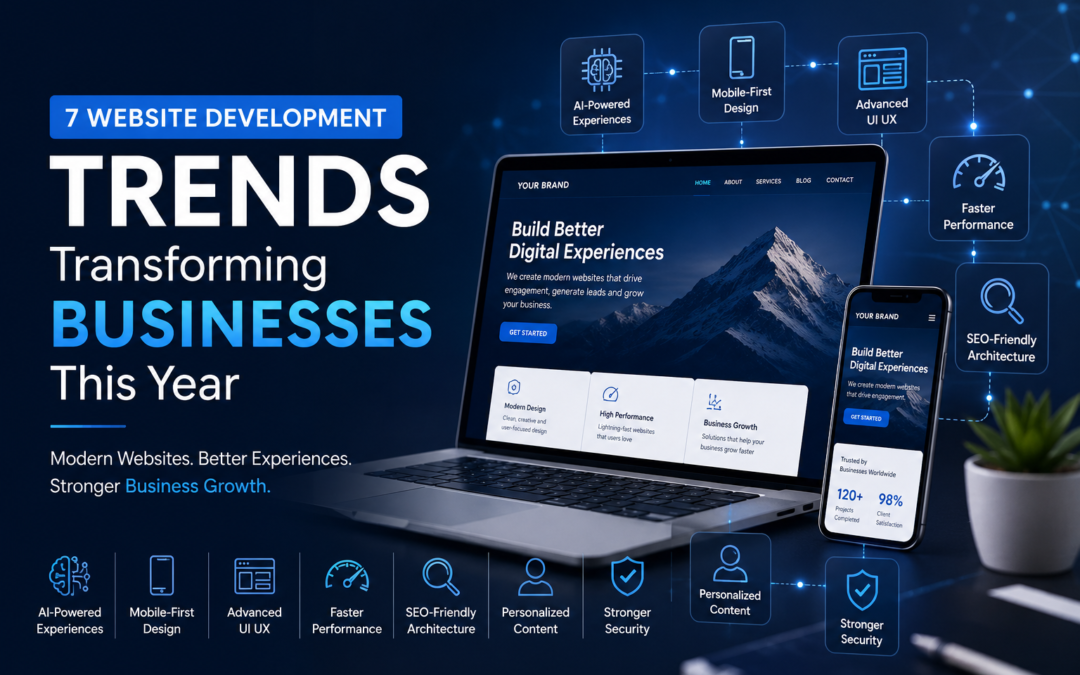
Websites Trends: 7 Website Development Trends Transforming Businesses This Year
A practical guide to Customer management system development, modern websites, UI UX design, personalization, performance, and secure business websites.
Introduction
Websites trends are changing how companies attract customers, build trust, and generate leads online. A basic website is no longer enough for businesses that want to compete in a digital-first market.
Today’s customers expect fast, secure, mobile-friendly, and user-focused experiences. This is why many companies are investing in modern websites that combine strategy, performance, design, automation, and scalability.
For startups, SMEs, and growing enterprises, strong Customer management system development and smart UI UX design can improve website management, user experience, search visibility, and lead generation. In this blog, we will explore 7 important website development trends transforming business websites this year.

Website trends help businesses create faster, smarter, and more user-friendly digital experiences.
Table of Contents
- Why Website Trends Matter for Businesses
- 1. AI-Powered Website Experiences
- 2. Mobile-First Website Development
- 3. Advanced UI UX Design
- 4. Content Management System for Easy Growth
- 5. Faster Website Performance
- 6. Personalized Website Content
- 7. Stronger Website Security
- Common Website Development Mistakes
- Frequently Asked Questions
Why Websites Trends Matter for Businesses
Customers judge a company within seconds of visiting its website. If the design looks outdated, pages load slowly, or navigation feels confusing, visitors may leave and choose a competitor.
The latest website trends help businesses improve credibility, customer engagement, user experience, search engine performance, and conversion rates. A well-planned website can become a strong marketing and sales asset.
Modern websites create a professional first impression.
Good UI UX design helps users find information faster.
Content Management System development helps teams manage content easily.
Business websites with clear CTAs convert better.
1. AI-Powered Website Experiences
AI is becoming one of the strongest website trends for companies that want better customer engagement. Businesses are now using AI tools to provide faster support, personalized guidance, and smarter user journeys.
Examples of AI Website Features
- AI chatbots
- Smart service recommendations
- Automated customer support
- Personalized landing pages
- Lead qualification flows
- Automated FAQ assistance
AI-powered features help business websites respond faster and guide visitors toward the right service or enquiry action.
2. Mobile-First Website Development
Most users now browse websites through mobile devices. This makes mobile-first development essential for modern websites. Instead of designing for desktop first, businesses should plan the mobile experience from the beginning.
Benefits of Mobile-First Development
- Better smartphone experience
- Improved readability
- Touch-friendly buttons
- Faster customer actions
- Lower bounce rate
- Better local search performance
Mobile-first websites help users call, enquire, fill forms, and explore services without frustration.

Mobile-first development helps modern websites perform better across all devices.
3. Advanced UI UX Design
UI UX design is no longer only about visual appearance. It focuses on how users interact with your website and how easily they can complete important actions.
Important UI UX Design Elements
- Clean layouts
- Simple navigation
- Readable typography
- Clear calls-to-action
- Consistent branding
- Easy enquiry forms
- Logical page flow
Strong design improves engagement, reduces confusion, and helps users take action with confidence.
4. CMS Development for Easy Growth
CMS development is becoming important for companies that want to update content, publish blogs, add service pages, manage landing pages, and scale website functionality without depending on developers for every small change.
CMS Features Businesses Need
- Easy page editing
- Blog publishing system
- Reusable section templates
- SEO settings
- Media management
- Landing page creation
- User role management
A scalable CMS helps businesses keep their website fresh, organized, and ready for future growth.
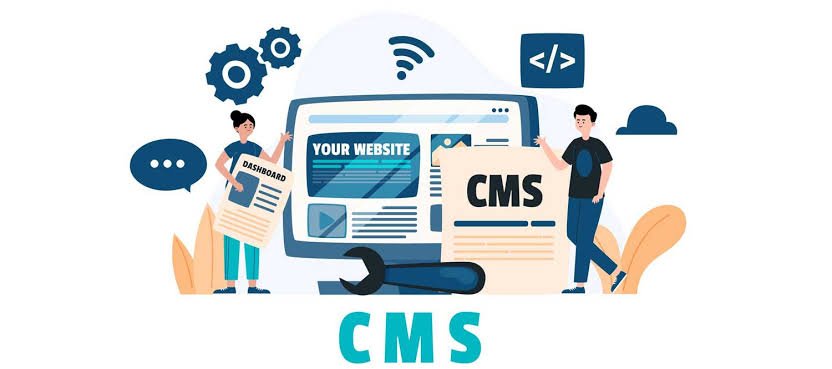
CMS development helps businesses manage content, landing pages, blogs, and website updates easily.
5. Faster Website Performance
Speed is one of the most important factors in website development. Slow pages can reduce trust, increase bounce rates, and lower conversions. Fast-loading pages create a better experience for users and support SEO performance.
Ways to Improve Website Speed
- Compress images
- Use WebP format
- Choose reliable hosting
- Enable caching
- Minimize CSS and JavaScript
- Use a CDN when needed
- Reduce unnecessary plugins
Performance-focused development is especially important for business websites that depend on SEO, paid ads, and lead generation.
6. Personalized Website Content
Personalization allows websites to show more relevant content based on user location, behavior, industry, or previous interactions. This can make the browsing experience more helpful and conversion-focused.
Personalization Examples
- Location-based service pages
- Recommended services
- Dynamic website banners
- Personalized offers
- Industry-specific landing pages
- Returning visitor messages
Personalized content helps companies create meaningful user journeys instead of showing the same message to every visitor.
Official Website Performance Resource
To understand website speed, user experience, and Core Web Vitals, you can refer to Google’s official Web Vitals guide.
7. Stronger Website Security
Security is now a must-have for all modern websites. Customers want to know that their data is safe when they submit forms, make payments, download resources, or interact with your company online.
Important Security Features
- SSL certificate
- Secure hosting
- Regular backups
- Malware protection
- Firewall setup
- Strong login protection
- Role-based access
Secure websites build trust, protect business data, and reduce the risk of downtime or reputation damage.

Security, speed, and personalization are essential for future-ready business websites.
Common Website Development Mistakes Businesses Should Avoid
Many companies fail to get results because they focus only on design while ignoring usability, speed, content structure, and long-term website management.
Old layouts reduce trust and weaken brand perception.
Without proper CMS development, content updates become difficult.
Poor UI UX design creates confusion and reduces enquiries.
Slow loading speed reduces engagement and conversions.
Business websites need SSL, backups, and malware protection.
A website should support future services, blogs, and landing pages.
Frequently Asked Questions
What are websites trends?
Website trends are modern design, development, performance, and user experience practices that help websites stay relevant, useful, and effective for business growth.
Why are modern websites important for businesses?
Modern websites help companies build trust, improve user experience, increase visibility, and generate better enquiries from online visitors.
How does CMS development help business websites?
Customer management system development helps businesses manage content, publish blogs, create landing pages, update services, and scale website functionality more easily.
Why is UI UX design important?
UI UX design improves navigation, readability, user flow, engagement, and conversions by making the website easier and more enjoyable to use.
How often should business websites be updated?
Business websites should be reviewed regularly for speed, security, content, design, SEO, and user experience improvements.
Continue Reading
Ready to Build a Modern Business Website?
Following the latest website trends can help your business improve design, usability, performance, content management, and lead generation.
Logicraftz Solutions LLP builds modern websites with Customer management system development, UI UX design, fast performance, strong security, and scalable business website strategy.
Introduction
A professional website has become one of the most valuable assets for organizations seeking long-term digital success. Customers expect fast-loading pages, intuitive navigation, visually appealing layouts, and easy access to information regardless of the device they use. Businesses that invest in flexible and scalable digital platforms are better equipped to attract customers, strengthen credibility, and support continuous growth.
Effective Customer management system development enables organizations to manage website content efficiently without depending on technical expertise for every update. When combined with professional UI UX design, scalable modern websites, and customer-focused business websites, organizations create digital experiences that improve engagement, simplify website management, and support measurable business objectives.
Whether serving local customers or expanding internationally, businesses benefit from websites that are secure, easy to maintain, and designed to evolve with changing customer expectations.
Why CMS Development Matters
Managing website content should be simple, efficient, and flexible. CMS development provides organizations with content management systems that allow authorized users to update text, images, blogs, products, and service pages without extensive programming knowledge.
Benefits include:
- Easy content updates
- Faster publishing
- Improved collaboration
- Better content organization
- Flexible page management
- Scalable architecture
- User permission controls
- Media management
- Workflow efficiency
- Long-term maintainability
A well-implemented CMS reduces operational complexity while improving overall productivity.
Building Modern Websites
Today's customers expect websites that combine speed, security, accessibility, and professional presentation. Successful modern websites are designed to provide excellent user experiences while supporting business growth.
Essential features include:
- Responsive layouts
- Fast loading performance
- Secure browsing
- Clean navigation
- Mobile compatibility
- Search-friendly structure
- Accessible interfaces
- Cloud readiness
- Scalable technology
- Reliable hosting
Organizations that invest in modern digital infrastructure create stronger customer experiences while preparing for future technological advancements.
UI UX Design Improves Customer Experience
Professional UI UX design focuses on creating intuitive digital experiences that help visitors complete tasks quickly and comfortably. Attractive visuals alone are not enough; every interaction should be simple, logical, and enjoyable.
Important design principles include:
- Consistent branding
- Clear navigation
- Readable typography
- Balanced colour schemes
- Visual hierarchy
- Accessible layouts
- User-friendly forms
- Clear call-to-action buttons
- Responsive interfaces
- Interactive feedback
Excellent design improves customer confidence while encouraging visitors to remain engaged throughout their browsing experience.
Business Websites Support Growth
Professional business websites serve as central digital platforms that support marketing, customer service, sales, and communication.
A successful website should include:
- Professional homepage
- Company information
- Service pages
- Product catalogues
- Customer testimonials
- Contact information
- Blog resources
- Frequently asked questions
- Portfolio or case studies
- Strong enquiry options
Well-structured websites help customers quickly understand the value offered by the business while encouraging meaningful engagement.
Customer-Focused Digital Experiences
Every website interaction influences customer perception. Fast performance, helpful information, intuitive navigation, and reliable functionality create positive experiences that strengthen trust and encourage repeat visits.
Organizations that continuously improve usability, technology, and content quality establish stronger digital credibility while building a foundation for sustainable business growth.
Content Management Improves Business Efficiency
A well-organized content management system allows businesses to keep their websites updated without relying on developers for every small modification. Regular updates help maintain accurate information, improve customer trust, and ensure visitors always access the latest products, services, and company announcements.
Organizations should regularly manage:
- Service pages
- Product information
- Blog articles
- Customer testimonials
- Case studies
- Company news
- Frequently asked questions
- Images and videos
- Contact information
- Promotional content
Keeping website content fresh improves customer engagement while supporting long-term digital success.
Mobile-Friendly Experiences Increase Customer Satisfaction
Most internet users now browse websites using mobile devices. Businesses that deliver seamless experiences across smartphones, tablets, laptops, and desktops improve accessibility while reaching a wider audience.
Important mobile improvements include:
- Responsive layouts
- Fast page loading
- Touch-friendly navigation
- Optimized images
- Readable typography
- Simple enquiry forms
- Accessible menus
- Clear call-to-action buttons
- Consistent branding
- Device compatibility
Providing a smooth mobile experience encourages visitors to stay longer and interact with additional website content.
Website Security Protects Business Data
Protecting customer and business information is essential for maintaining trust and ensuring uninterrupted operations. Modern websites should implement multiple layers of protection to reduce security risks and safeguard sensitive information.
Important security measures include:
- SSL encryption
- Secure hosting
- Firewall protection
- Malware scanning
- User authentication
- Automated backups
- Software updates
- Access management
- Server monitoring
- Security audits
Strong security practices improve customer confidence while supporting reliable website performance.
Artificial Intelligence Enhances Digital Platforms
Artificial intelligence is helping businesses create smarter and more personalized online experiences. AI-powered technologies analyze visitor behaviour, automate repetitive tasks, and provide valuable insights that improve website performance.
Businesses can implement AI through:
- Intelligent chatbots
- Personalized recommendations
- Visitor behaviour analysis
- Automated reporting
- Predictive insights
- Customer segmentation
- Content recommendations
- Workflow automation
- Performance monitoring
- Smart search functionality
These technologies improve operational efficiency while delivering better customer experiences.
Why Businesses Choose Logicraftz
Logicraftz develops intelligent digital solutions that combine creativity, technology, and business strategy to help organizations build scalable online platforms. Every project begins with understanding business objectives, customer expectations, industry challenges, and future growth plans before creating customized solutions.
The company provides comprehensive services including website development, UI/UX optimization, search engine optimization, AI-powered automation, CRM integration, ERP implementation, website maintenance, cloud solutions, cybersecurity, and digital consulting. Rather than delivering generic templates, Logicraftz creates scalable digital platforms that improve customer engagement, operational efficiency, and measurable business performance.
Through continuous optimization, transparent reporting, proactive maintenance, and dedicated technical support, Logicraftz enables businesses to strengthen their online presence, improve customer satisfaction, and remain competitive in an evolving digital marketplace.
Integrating Business Applications for Better Productivity
Modern digital platforms are no longer standalone websites. They often connect with essential business applications to streamline operations, improve customer service, and reduce manual tasks. Integrating multiple systems allows information to move automatically between departments, creating a more efficient workflow and improving decision-making.
Common integrations include:
- CRM platforms
- ERP software
- Payment gateways
- Appointment booking systems
- Inventory management
- Email communication tools
- Live chat solutions
- Customer support software
- Analytics dashboards
- Marketing automation platforms
These integrations help businesses improve operational efficiency while delivering faster and more consistent customer experiences.
Measure Website Performance Regularly
Launching a website is only the beginning of a successful digital journey. Businesses should continuously monitor performance to understand how visitors interact with the website and identify opportunities for improvement.
Important metrics to review include:
- Website traffic
- User engagement
- Session duration
- Bounce rate
- Customer enquiries
- Form submissions
- Mobile usability
- Technical health
- Content performance
- Customer feedback
Regular analysis enables organizations to make informed improvements that support long-term business objectives.
Prepare for Future Digital Innovation
Technology continues to evolve, and businesses should prepare their websites for future advancements. Flexible platforms make it easier to integrate new tools, improve functionality, and respond quickly to changing customer expectations.
Future-ready digital platforms should support:
- Artificial intelligence integration
- Cloud-based infrastructure
- Advanced analytics
- Voice search compatibility
- Automation technologies
- Scalable architecture
- API connectivity
- Enhanced accessibility
- Continuous security improvements
- Performance optimization
Investing in scalable technology today helps businesses remain competitive tomorrow.
Continuous Improvement Creates Lasting Success
Successful websites are continuously refined based on customer feedback, business goals, and technological advancements. Regular updates ensure the platform remains relevant, secure, and capable of delivering exceptional user experiences.
Organizations should consistently improve:
- Website content
- Navigation structure
- Visual presentation
- Mobile experience
- Loading performance
- Security measures
- Accessibility standards
- Customer interaction
- Technical functionality
- Digital strategy
Small improvements made consistently often generate significant long-term business benefits.
Conclusion
Professional business websites are essential for organizations that want to strengthen their digital presence, improve customer engagement, and support sustainable growth. Investing in CMS development allows businesses to manage content efficiently while maintaining flexibility as their operations expand. Combining intelligent UI UX design with scalable modern websites creates digital experiences that are visually appealing, easy to navigate, and capable of delivering measurable business results.
Organizations that continuously improve website performance, embrace emerging technologies, strengthen security, and provide valuable content establish stronger customer relationships and long-term competitive advantages. Partnering with experienced professionals like Logicraftz ensures businesses receive customized digital solutions, expert technical guidance, and ongoing support needed to build future-ready websites that continue driving growth, innovation, and customer satisfaction in an increasingly competitive digital landscape.