

Call Logicraftz Professionals +91 2231982472 to build a high-converting business website with powerful Business Website Capability, Mobile-Optimized Design, Lead Collection System, Credibility Indicators, and Website Performance Insights.
Business Website Capability: 8 Must-Have Features Every Business Needs in 2026
A practical guide to building a faster, smarter, mobile-first, trust-focused, and lead-generating business website.
Introduction
Business Website Capability are no longer only about design or appearance. In 2026, a business website must work like a digital sales system that attracts visitors, builds trust, explains services clearly, and helps users take action quickly.
For Indian businesses, startups, SMEs, and growing brands, a website is often the first place where customers compare your company with competitors. If your website loads slowly, looks confusing, lacks contact options, or does not show trust proof, visitors may leave before becoming leads.
A high-performing website should include Mobile-Optimized Design, clear calls-to-action, WhatsApp and call buttons, Credibility Indicators, SEO-ready pages, short enquiry forms, multilingual support, automation, and Website Performance Insights. These features help your website generate more enquiries, calls, bookings, and sales.

Table of Contents
- Why Business Website Capability Matter in 2026
- 1. Mobile-First, Fast-Loading Design
- 2. Clear Above-the-Fold Message and CTA
- 3. One-Tap Contact Options
- 4. Credibility Indicators and Social Proof
- 5. SEO-Ready Service and Location Pages
- 6. Short Lead Capture Forms
- 7. Multilingual and Accessible Design
- 8. Analytics, Automation, and AI Support
- Common Website Feature Mistakes
- Frequently Asked Questions
Why Business Website Capability Matter in 2026
A website in 2026 is not just an online brochure. It is your first sales conversation, your customer support desk, your lead generation system, and your brand trust platform. Visitors scan quickly, compare options, and decide within seconds whether to call, message, book, or leave.
The right Business Website Capability help reduce friction and guide visitors smoothly from interest to action. A beautiful design alone is not enough. Your website must explain your offer clearly, load quickly, display properly on mobile devices, build credibility, and make contact simple.
Fast and professional pages help customers trust your business quickly.
Simple contact options increase calls, WhatsApp messages, and form leads.
Reviews, testimonials, case studies, and company details reduce hesitation.
Analytics and automation help improve results over time.
1. Mobile-First, Fast-Loading Design
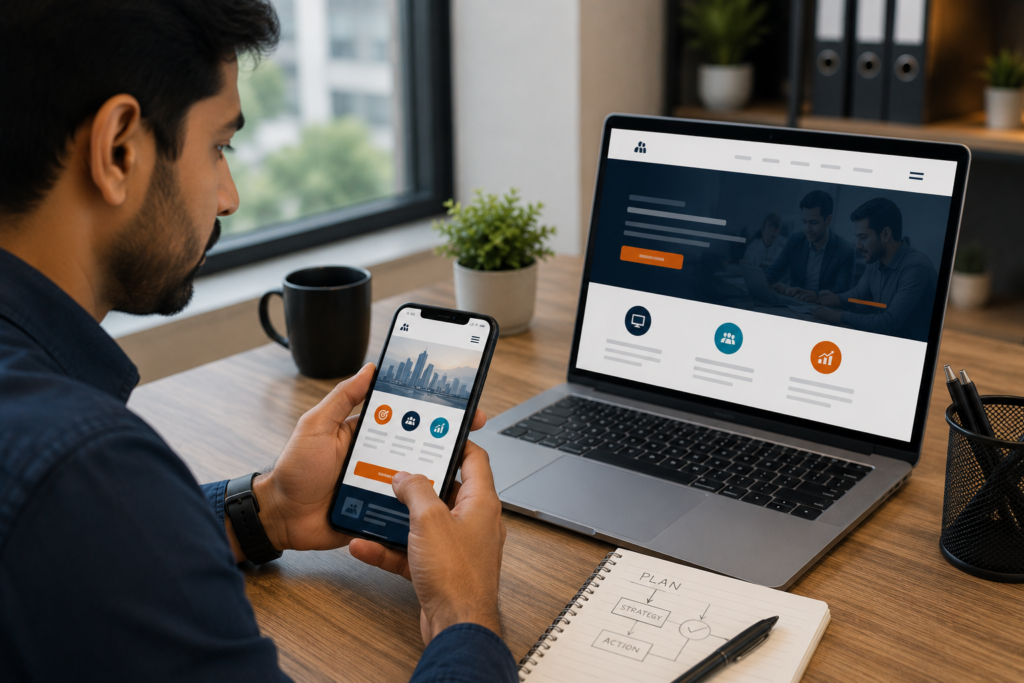
In India, most users browse websites from mobile phones. That means your website must be planned for mobile users first, not desktop users. A Mobile-Optimized Design ensures your website looks clean, loads fast, and works smoothly on smartphones.
A slow website is one of the fastest ways to lose a lead. If visitors open your site on mobile data and the page takes too long, they may leave before seeing your offer. This affects local businesses, clinics, coaching institutes, consultants, eCommerce brands, real estate companies, and service providers.
This Feature Should Include
- Responsive layout for every screen size
- Fast-loading images and clean code
- Simple mobile navigation
- Readable fonts and strong contrast
- Lightweight page structure
- Touch-friendly buttons
- Optimized mobile page speed
Expected results: Lower bounce rate, better engagement, longer time on site, and more calls, WhatsApp clicks, and enquiries.
2. Clear Above-the-Fold Message and Strong CTA
The top section of your website is the most important area. This is where visitors decide whether they are in the right place. Your homepage should immediately answer what you do, who you help, and what the visitor should do next.
Many business websites fail because they use vague headlines like “Welcome to Our Company” or “We Deliver Excellence.” These lines sound professional, but they do not clearly explain the offer. A strong hero section should work like a helpful sales assistant.
This Feature Should Include
- Clear headline with your main service
- Short subheadline with key benefit
- Strong CTA such as “Get a Quote” or “Book a Call”
- Supporting image or trust cue
- Clean layout with no distractions
- Visible contact option
Expected results: More CTA clicks, more form submissions, more calls, and better conversion from homepage visitors.
3. One-Tap Contact Options
Indian customers prefer convenience. If they are interested in your service, many users want to contact you immediately through WhatsApp, phone call, or quick booking instead of filling a long form.
One-tap contact options reduce friction and make it easier for visitors to reach your business in the way they prefer. This is especially useful for clinics, salons, consultants, coaches, local services, real estate, hospitality, and event businesses.
This Feature Should Include
- Sticky WhatsApp button
- Click-to-call button for mobile users
- Simple booking or appointment option
- Quick reply options for common questions
- Auto greeting messages on WhatsApp Business
- Optional payment or advance booking links
Expected results: More instant enquiries, better response rates, faster lead conversion, and more after-hours enquiries.
4. Credibility Indicators and Social Proof
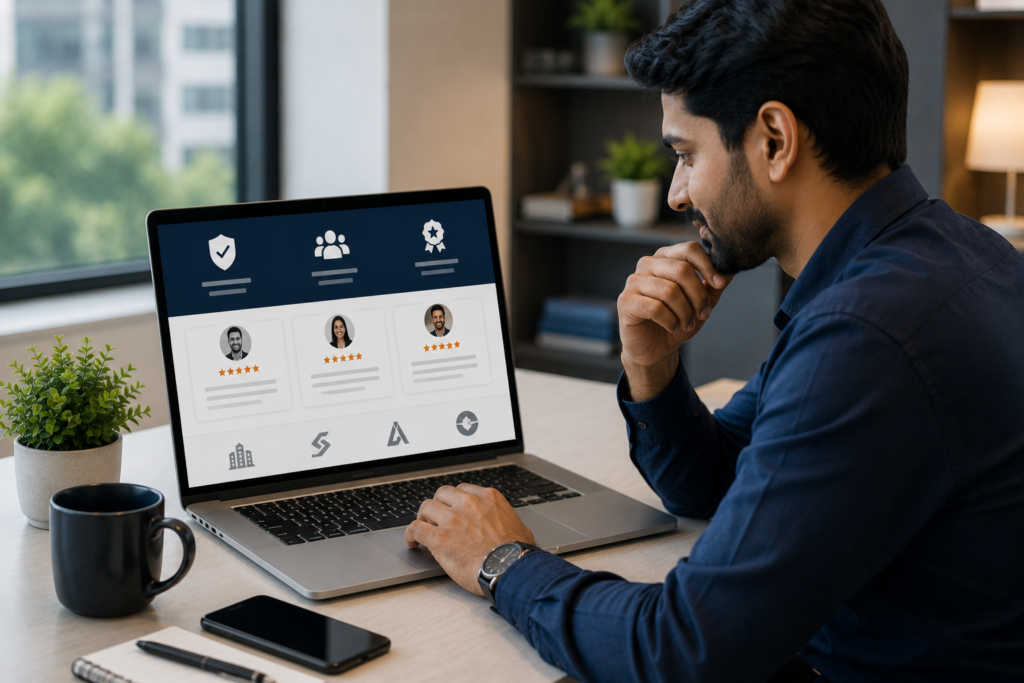
Trust is one of the most important factors in online conversions. People compare businesses quickly and want proof before they share contact details, book a service, or make a payment.
Strong Credibility Indicators can turn hesitant visitors into ready-to-contact leads. Your website should clearly show that your company is real, reliable, experienced, and capable of delivering results.
This Feature Should Include
- Google reviews or customer testimonials
- Client logos or brand names
- Case studies or before-after results
- Real photos of team, office, or work
- Certifications, awards, or memberships
- Business details such as address and map
- Security badges where relevant
Expected results: Higher conversion rate, stronger credibility, confident enquiries, and less price resistance.
5. SEO-Ready Service and Location Pages
A good website should not only convert visitors. It should also bring new visitors from Google. SEO-ready service and location pages help search engines understand what you offer and where you provide services.
If your business wants to appear when customers search for services in a city, area, or niche, your website must be structured correctly. Dedicated pages help attract high-intent visitors who are already searching for a solution.
This Feature Should Include
- Dedicated pages for each service
- Location pages for cities or areas
- Keyword-focused headings
- Clear internal links
- FAQ sections for common questions
- Schema markup
- Blog content targeting real customer searches
Expected results: More organic traffic, better local visibility, lower dependency on ads, and more qualified leads from search. You can learn more from Google Search Central.
6. Short Lead Capture Forms and Smart Follow-Up
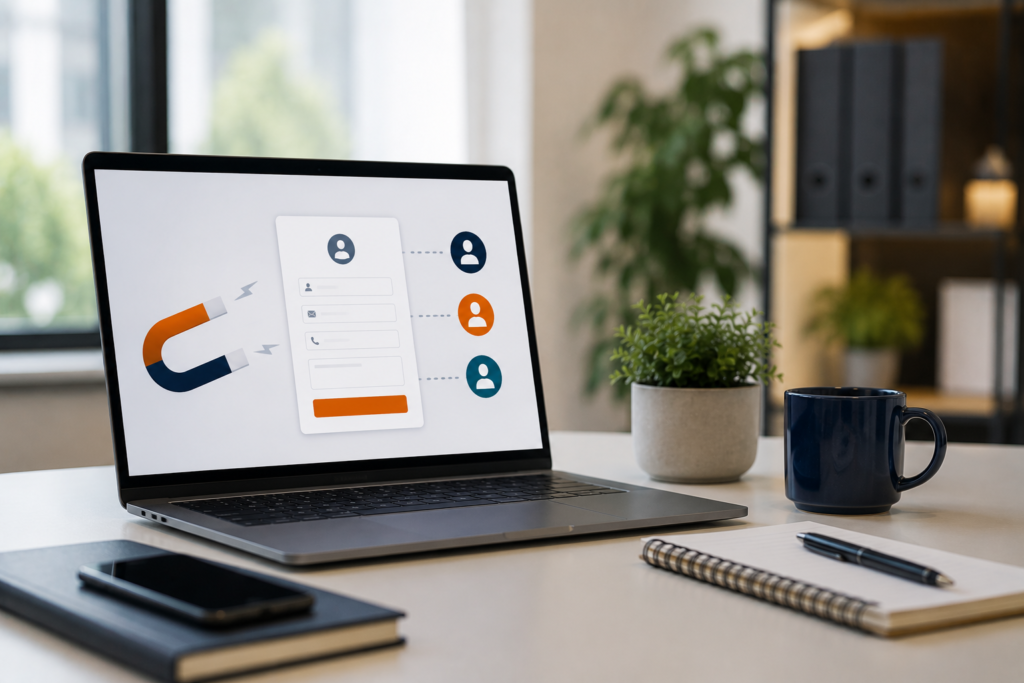
Long forms can reduce conversions. If your website asks too many questions too early, visitors may leave instead of completing the enquiry. A high-converting website uses simple forms and smart follow-up systems.
Lead Collection System should make it easy for users to share contact details and receive a quick response. For growing companies, this also helps organize enquiries and reduce missed opportunities.
This Feature Should Include
- Forms with only 3 to 5 fields
- Clear labels and simple questions
- Multi-step forms for high-ticket services
- Automatic thank-you message
- Email or WhatsApp notifications
- CRM integration for lead tracking
- Follow-up automation for missed leads
Expected results: More form completions, faster response time, better lead tracking, and fewer lost enquiries.
7. Multilingual and Accessible Design
India is diverse, and customers may prefer different languages depending on location, industry, and comfort level. A multilingual and accessible website helps more people understand your offer quickly.
Accessibility is also important for older users, mobile users, and people who are not comfortable with complicated English content. A simple, clear, and inclusive website improves engagement and trust.
This Feature Should Include
- Language options based on your target audience
- Simple and clear website copy
- Readable fonts and proper spacing
- Strong color contrast
- Alt text for images
- Clean button labels
- Accessible forms and navigation
Expected results: Wider reach, better engagement, stronger local connection, and more trust from diverse audiences.
8. Analytics, Automation, and AI-Powered Support
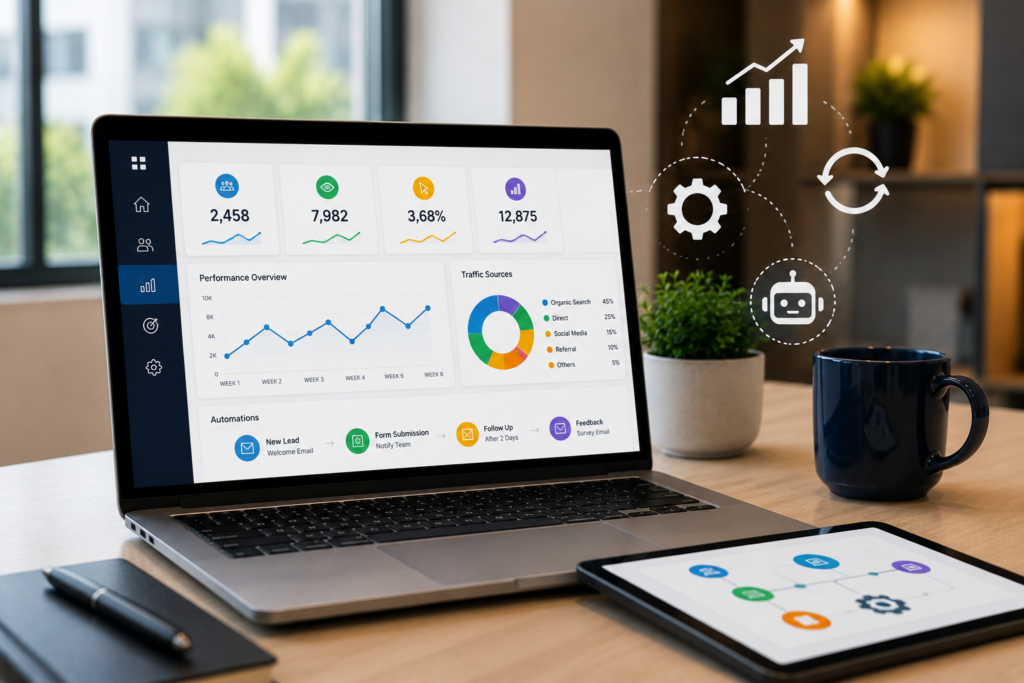
A website should not stay the same forever. The best websites keep learning, improving, and converting better over time. This is where Website Performance Insights, automation, and AI-powered support become important.
Data helps you understand what users are doing on your website. Automation helps you respond faster. AI support can answer common questions, collect lead details, and guide users to the right service.
This Feature Should Include
- Google Analytics 4 setup
- Google Search Console integration
- Call and form tracking
- Heatmaps or session recordings
- AI chatbot support for FAQs
- Automated lead notifications
- Conversion tracking for campaigns
Expected results: Better decision-making, higher conversion rates, faster lead response, and continuous website improvement.
Common Website Feature Mistakes Businesses Should Avoid
Many businesses add design elements but ignore conversion-focused features. A website should not only look modern. It should help visitors trust your business and take action.
A desktop-only website can lose mobile visitors quickly.
Visitors need a clear next step to call, message, book, or enquire.
Testimonials, reviews, and case studies help reduce hesitation.
Too many fields can reduce lead capture and enquiry completion.
Without analytics, businesses cannot understand what needs improvement.
Missing service and location pages can reduce search visibility.
Basic Website vs High-Converting Website
| Area | Basic Website | High-Converting Website |
|---|---|---|
| Design | Looks attractive but may lack strategy | Built around user journey and conversion goals |
| Mobile | May work on mobile but not optimized | Mobile-Optimized Design with fast loading experience |
| Contact | Only one contact form or phone number | WhatsApp, call, booking, short forms, and quick CTAs |
| Trust | Limited proof or generic claims | Reviews, testimonials, case studies, and real business details |
| Growth | Difficult to measure results | Analytics, automation, tracking, and continuous improvement |
Frequently Asked Questions
What are the most important Business Website Capability for businesses in 2026?
The most important Business Website Capability include Mobile-Optimized Design, fast loading speed, strong CTA buttons, WhatsApp integration, Credibility Indicators, SEO-ready pages, short forms, and analytics.
How do Business Website Capability increase enquiries and leads?
They reduce friction. When your website is clear, fast, trustworthy, and easy to contact, visitors are more likely to call, message, book, or submit a form.
Do small businesses need WhatsApp on their website?
Yes. For many Indian users, WhatsApp is one of the fastest and most comfortable ways to contact a business, making it useful for improving enquiry rates.
Is multilingual website support necessary?
If your audience prefers local languages or comes from different regions, multilingual support can improve understanding, trust, and engagement.
Why is Website Performance Insights important?
Website Performance Insights helps businesses track visitor behavior, lead sources, form submissions, call clicks, and campaign performance so improvements can be made with real data.
Continue Reading
Ready to Build a High-Converting Business Website?
A successful website should do more than look attractive. It should load fast, build trust, capture leads, support SEO, and help customers contact your business easily.
Logicraftz Solutions LLP builds conversion-focused websites with Mobile-Optimized Design, Lead Collection System, Credibility Indicators, SEO-ready pages, automation, and Website Performance Insights.
Introduction
A business website has become much more than a digital brochure. It acts as a company's online headquarters where potential customers learn about products, compare services, read company information, and decide whether to make contact. Because customer expectations continue to rise, businesses must create websites that provide excellent usability, fast performance, professional presentation, and valuable information.
An effective website should guide visitors naturally through every stage of their journey, from discovering the business to requesting a quotation or making a purchase. Every section should be carefully planned to provide clear information while reducing unnecessary distractions. Businesses that invest in professional websites create stronger first impressions, improve customer confidence, and establish long-term credibility.
Whether serving local customers or expanding into national and international markets, organizations benefit from digital platforms that combine attractive design with practical functionality. Continuous improvements ensure the website remains competitive while adapting to changing technologies and customer expectations.
Creating an Excellent First Impression
Visitors often decide within a few seconds whether they want to continue exploring a website. A clean layout, organized content, professional branding, and intuitive navigation immediately communicate credibility and professionalism.
Important elements include:
- Clear navigation menus
- Professional typography
- Consistent colour schemes
- High-quality visuals
- Simple page layouts
- Readable content
- Fast page transitions
- Accessible navigation
- Professional branding
- Clear contact information
A positive first impression encourages visitors to explore additional pages while increasing confidence in the business.
Easy Navigation Improves User Experience
People visit websites to find information quickly. Complicated menus or confusing layouts often cause visitors to leave before discovering valuable products or services. Organizing content logically allows users to move smoothly between different sections of the website.
Helpful navigation practices include:
- Simple menu structures
- Clearly labelled pages
- Logical content organization
- Search functionality
- Breadcrumb navigation
- Footer navigation
- Internal page links
- Consistent layouts
- Accessible buttons
- Easy-to-find contact details
Providing intuitive navigation improves customer satisfaction while reducing frustration during browsing.
Publish Valuable and Relevant Content
High-quality content helps businesses demonstrate expertise while answering common customer questions. Educational information encourages visitors to spend more time on the website and positions the company as a reliable source of industry knowledge.
Useful content may include:
- Service descriptions
- Product information
- Educational articles
- Industry updates
- Customer success stories
- Frequently asked questions
- Company news
- Buying guides
- Expert advice
- Resource libraries
Publishing valuable information consistently supports stronger customer relationships while improving overall website quality.
Improve Website Performance
Website performance directly influences customer satisfaction. Slow-loading pages or technical problems create frustration and reduce engagement. Businesses should regularly evaluate website performance and make improvements that enhance reliability.
Areas to monitor include:
- Image optimization
- Efficient coding
- Reliable hosting
- Browser caching
- Content delivery networks
- Database optimization
- Regular software updates
- Performance testing
- Security monitoring
- Error reduction
Continuous optimization helps ensure visitors receive a smooth and reliable browsing experience while supporting long-term business growth.
Customer Satisfaction Drives Business Success
Every interaction contributes to the customer's overall perception of the business. A professional website that provides helpful information, intuitive navigation, secure browsing, and reliable performance encourages visitors to build confidence in the organization.
Businesses that continuously improve their digital presence create stronger customer relationships, increase engagement, and establish a solid foundation for future growth. Investing in quality, usability, and continuous improvement allows organizations to remain competitive while delivering exceptional experiences that encourage long-term customer loyalty.
Strengthen Website Security
A secure website is essential for protecting customer information and maintaining a positive business reputation. Visitors are more likely to interact with businesses that demonstrate a commitment to data protection and privacy. Implementing strong security practices helps prevent unauthorized access while ensuring that important business information remains safe.
Organizations should regularly maintain:
- SSL encryption
- Secure hosting infrastructure
- Firewall protection
- Malware scanning
- Automatic software updates
- User authentication
- Secure backup systems
- Access control management
- Regular vulnerability assessments
- Data protection policies
Strong security measures improve customer confidence while supporting uninterrupted business operations.
Integrate Digital Business Systems
Modern organizations often rely on multiple software applications to manage daily operations. Connecting these systems creates a seamless flow of information between departments, reducing manual work and improving overall efficiency.
Businesses commonly integrate:
- Customer relationship management platforms
- Enterprise resource planning software
- Accounting applications
- Online payment gateways
- Inventory management systems
- Appointment scheduling software
- Customer support platforms
- Email communication systems
- Document management solutions
- Reporting dashboards
These integrations help employees access accurate information quickly while providing customers with faster and more reliable service.
Improve Accessibility for Every Visitor
An effective website should be easy to use for everyone, including individuals with different abilities or accessibility needs. Following accessibility best practices not only improves user experience but also demonstrates a commitment to inclusivity.
Accessibility improvements include:
- Clear text contrast
- Readable font sizes
- Keyboard navigation support
- Descriptive page headings
- Alternative image descriptions
- Logical page structure
- Simple navigation menus
- Consistent layouts
- Clearly labelled forms
- Accessible multimedia content
Making websites more accessible expands the potential audience while improving overall usability.
Regular Maintenance Keeps Websites Performing Well
Launching a website is only the beginning of its digital journey. Regular maintenance ensures that the platform remains secure, functional, and aligned with changing business objectives. Ignoring updates can lead to security vulnerabilities, compatibility issues, and reduced performance.
Routine maintenance should include:
- Updating software and plugins
- Checking for broken links
- Reviewing page performance
- Refreshing outdated content
- Testing forms and contact pages
- Monitoring website security
- Optimizing images
- Verifying backup systems
- Reviewing search engine visibility
- Improving technical performance
Consistent maintenance helps businesses avoid unexpected problems while ensuring visitors continue to enjoy a reliable browsing experience.
Invest in Continuous Improvement
Successful organizations understand that digital platforms should evolve alongside customer expectations and technological advancements. Regular evaluation and gradual improvements allow businesses to remain competitive while delivering better online experiences.
Future improvements may involve enhancing visual design, expanding educational resources, improving operational efficiency, strengthening cybersecurity, integrating new business applications, and adopting innovative technologies. Businesses that embrace continuous improvement create flexible digital platforms capable of supporting long-term growth, attracting new customers, and adapting to future market changes.
By maintaining a commitment to quality, performance, accessibility, and customer satisfaction, organizations establish a strong online presence that continues delivering measurable business value for many years.