Call Logicraftz Professionals +91 2231982472 for website redesign, website upgrade, modern web design, business website improvement, and website optimization.
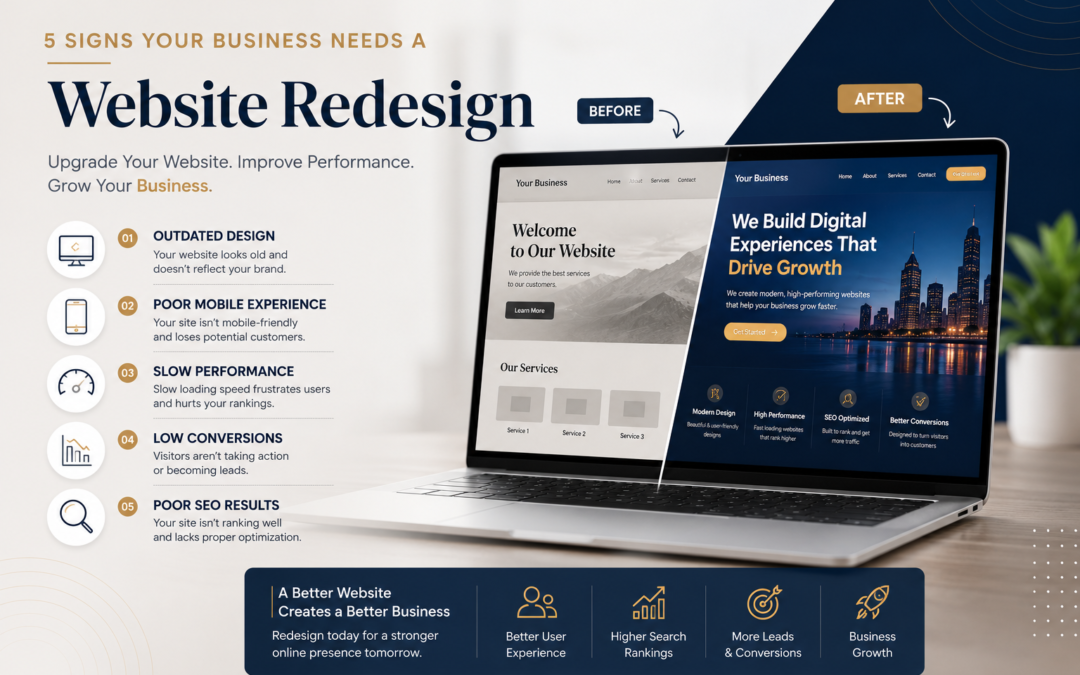
Website Redesign: 5 Signs Your Business Needs a Website Redesign
A practical guide to modern web design, website upgrade, business website performance, SEO, lead generation, and website optimization.
Introduction
Website redesign has become one of the most important investments businesses can make in today's digital-first world. Your website is often the first interaction potential customers have with your brand, and first impressions can directly influence trust, enquiries, and sales.
If your business website looks outdated, loads slowly, struggles on mobile devices, or fails to generate enquiries, it may be time for a complete website upgrade. Modern customers expect seamless experiences, attractive interfaces, fast performance, intuitive navigation, and clear calls-to-action.
A successful redesign does more than improve appearance. It enhances user experience, supports SEO, improves lead generation, strengthens credibility, and contributes directly to long-term business growth. In this guide, we will explore the 5 biggest warning signs that show your company needs a fresh, conversion-focused website.
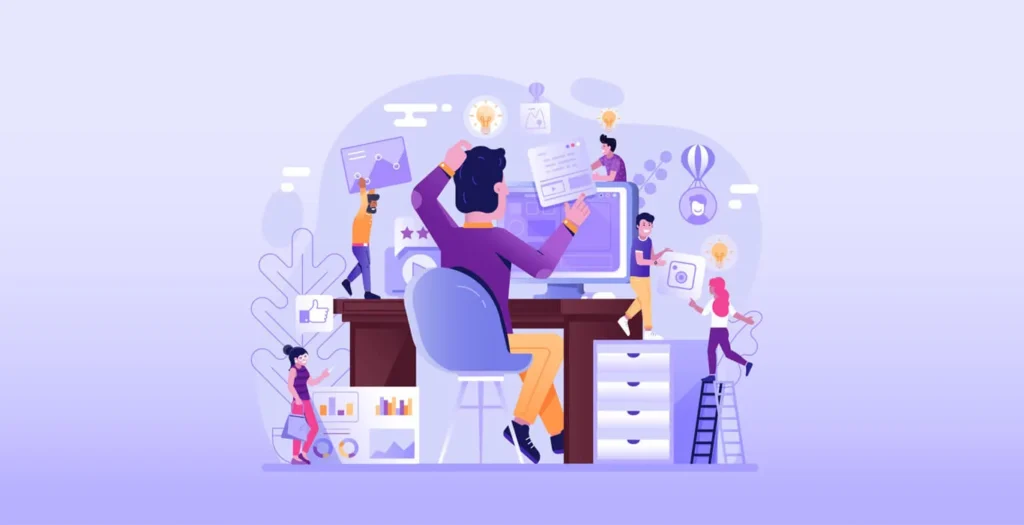
A website redesign helps businesses improve trust, performance, SEO, and conversions.
Table of Contents
Why Website Redesign Matters in 2026
Technology, customer behavior, and search engine expectations continue to evolve. A website that performed well three years ago may now feel outdated, slow, difficult to use, or poorly optimized for modern users.
Modern web design focuses on user experience, responsive layouts, accessibility, speed, SEO structure, content clarity, and conversion optimization. Businesses that regularly improve their websites are more likely to attract qualified leads and outperform competitors online.
Modern design helps customers feel confident about your business.
Clear CTAs and better user journeys improve enquiry rates.
Technical improvements can support stronger search visibility.
Optimized pages improve user experience and reduce bounce rates.
1. Your Business Website Looks Outdated
The first and most obvious sign is outdated design. Users form opinions about your website within seconds, and an old-looking layout can negatively impact credibility. If your website still uses old fonts, cluttered layouts, weak visuals, or inconsistent branding, visitors may assume your business is not updated either.
Modern web design should communicate professionalism, clarity, and trust. It should guide users naturally from introduction to service details and then toward enquiry. A redesign can help refresh your brand image and make your website feel more aligned with current customer expectations.
Common Signs of Outdated Design
- Old-fashioned layouts
- Low-quality images
- Small or hard-to-read fonts
- Cluttered page sections
- Inconsistent branding
- Poor visual hierarchy
- Missing modern trust elements
How to fix it: Create a cleaner, modern, and brand-focused layout with professional visuals, clear headings, strong CTAs, service-focused sections, and a consistent design system.
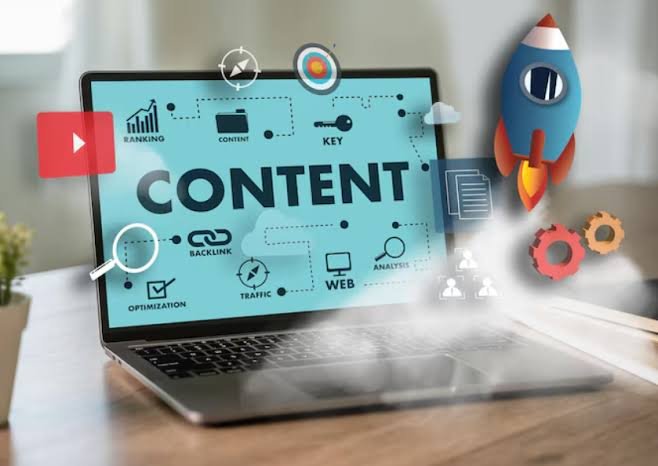
Outdated websites can reduce trust and weaken the customer journey.
2. Your Website Is Not Mobile Friendly
Mobile traffic now makes up a major share of website visits. If your website is difficult to use on smartphones or tablets, you could be losing valuable customers every day. Mobile users expect readable content, fast loading, simple navigation, and tap-friendly buttons.
A non-responsive website creates frustration. Visitors may need to zoom in, scroll sideways, or struggle to click buttons. These problems reduce engagement and lead generation. A responsive redesign ensures visitors enjoy a seamless experience on every device.
Mobile Problems That Require a Website Upgrade
- Text too small to read
- Buttons difficult to click
- Broken layouts on mobile screens
- Slow mobile performance
- Poor user experience
- Long forms that are hard to submit
- No click-to-call or WhatsApp button
How to fix it: Use responsive design, mobile-first layouts, click-to-call buttons, optimized images, short forms, and mobile-friendly CTA sections.
3. Your Website Loads Too Slowly
Website speed plays a critical role in user satisfaction, SEO, and conversions. Visitors often leave websites that take too long to load. A slow website can make your business look unprofessional and reduce the chances of users submitting enquiries.
Slow performance usually happens because of large image files, poor hosting, excessive plugins, heavy scripts, outdated themes, or lack of caching. A redesign can include website optimization techniques that improve loading speed and overall performance.
Common Causes of Slow Websites
- Large image files
- Poor hosting services
- Excessive plugins
- Unoptimized code
- No caching setup
- Heavy animations
- No CDN implementation
How to fix it: Compress images, use clean code, remove unnecessary plugins, optimize Core Web Vitals, improve hosting quality, and use caching or CDN support where required.
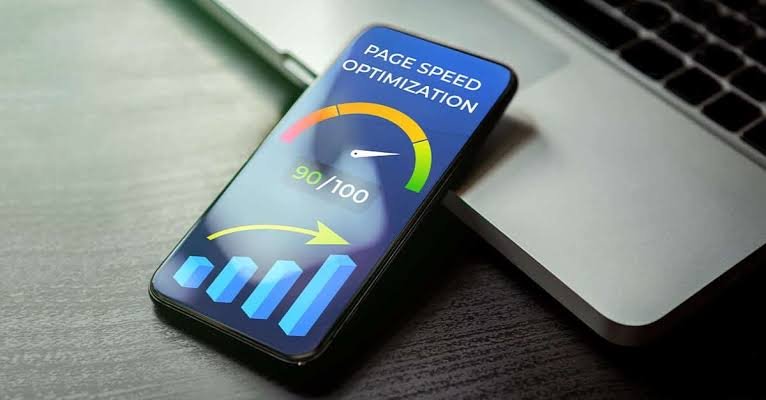
Website optimization improves speed, user experience, and conversion potential.
4. Your Website Is Not Generating Leads
A business website should support sales, enquiries, and lead generation. If visitors are not converting into customers, your website may have structural, design, content, or usability issues.
Many websites receive traffic but fail to convert because they do not guide users properly. Weak CTAs, confusing navigation, poor landing pages, long forms, and missing trust signals can all reduce conversions.
Conversion Problems Include
- Weak calls-to-action
- Confusing navigation
- Poor landing pages
- Complicated forms
- Lack of testimonials
- No visible contact details
- No clear service benefits
How to fix it: Add strong CTAs, simplify user journeys, improve service pages, add trust-building sections, reduce form fields, and place enquiry options throughout important pages.
5. Your Website Has Poor SEO Performance
If your website is not appearing in search results, it may be suffering from technical SEO issues. Many older websites were built without considering modern SEO requirements such as fast loading, mobile responsiveness, structured headings, metadata, schema, and clean URLs.
An SEO-focused redesign helps improve search visibility and organic traffic by creating a stronger technical foundation. It also allows businesses to update outdated content, improve internal linking, and rebuild page structure around important keywords.
SEO Issues That Require a Redesign
- Poor website structure
- Missing metadata
- Slow page speed
- Broken internal links
- Non-responsive design
- Weak content hierarchy
- No schema markup
- Poor URL structure
How to fix it: Plan SEO before redesigning. Keep important URLs, redirect old pages correctly, optimize metadata, improve internal linking, add schema markup, and test performance before launch. You can learn more from Google Search Central.
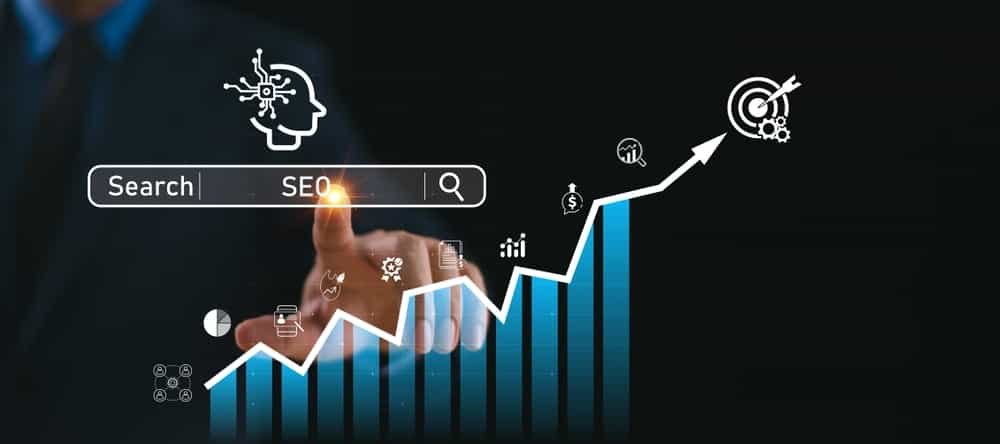
SEO-focused website redesign improves structure, visibility, and organic traffic.
Common Website Redesign Mistakes Businesses Make
Redesign should focus on leads, SEO, speed, trust, and user experience.
Redirects, metadata, internal links, and existing rankings must be protected.
A redesign should improve performance, conversions, and usability too.
Every page should work properly across screen sizes and devices.
High-performing content should be improved, not deleted without planning.
Test forms, speed, mobile layouts, links, SEO, and tracking before launch.
Old Website vs Redesigned Website
| Area | Old Website | Redesigned Website |
|---|---|---|
| Design | Outdated and cluttered | Modern, clean, and professional |
| Mobile | Difficult to use on phones | Responsive and mobile-friendly |
| Speed | Slow loading pages | Optimized for faster performance |
| Leads | Weak CTA and low enquiries | Clear conversion path and stronger lead generation |
| SEO | Weak technical structure | SEO-friendly website optimization |
Frequently Asked Questions
How often should a business website be redesigned?
Most businesses should evaluate their websites every 2 to 3 years. A redesign may be needed sooner if the website is outdated, slow, not mobile-friendly, or not generating leads.
What is the difference between website redesign and website upgrade?
A website redesign usually includes major visual, structural, and experience improvements. A website upgrade may focus on specific features, speed, security, or functionality improvements.
Can a website redesign improve SEO?
Yes. A properly planned redesign can improve website speed, mobile responsiveness, page structure, internal linking, content quality, and search engine visibility.
How much does website redesign cost?
The cost depends on design complexity, number of pages, custom features, content requirements, SEO migration, and development needs.
Will a website redesign improve lead generation?
Yes. Modern web design, stronger CTAs, better navigation, trust signals, and improved user experience can increase conversion rates and enquiries.
Continue Reading
Ready for a Website Redesign?
Transform your outdated website into a modern, SEO-friendly, high-converting digital asset designed for business growth.
Logicraftz Solutions LLP specializes in website redesign, website optimization, responsive design, modern web design, and conversion-focused business websites.
Introduction
A company's website is often the first interaction potential customers have with its brand. As customer expectations continue to evolve, businesses must ensure their digital presence remains fast, secure, visually appealing, and easy to navigate. An outdated website can negatively affect credibility, reduce customer engagement, and limit growth opportunities. Investing in a professional website upgrade helps organizations improve user experience, strengthen online visibility, and stay competitive in today's digital marketplace.
A successful business website should combine attractive visuals, reliable technology, intuitive navigation, and valuable content that guides visitors toward meaningful actions. When supported by modern web design and continuous website optimization, businesses can improve customer satisfaction, generate more enquiries, and create long-term digital success.
Whether serving local clients or operating internationally, organizations that regularly improve their websites position themselves for sustainable growth while adapting to changing technologies and customer expectations.
Why Businesses Should Upgrade Their Websites
Technology changes rapidly, and customer expectations continue to increase. Websites that performed well a few years ago may now appear outdated, slow, or difficult to use on modern devices.
A professional website upgrade helps businesses:
- Improve customer experience
- Increase online credibility
- Strengthen brand image
- Support mobile users
- Improve website security
- Increase search visibility
- Enhance website functionality
- Improve accessibility
- Reduce maintenance issues
- Prepare for future growth
Regular improvements ensure websites continue meeting both customer and business requirements.
Building a Professional Business Website
A successful business website should do much more than display company information. It should educate visitors, answer common questions, showcase expertise, and encourage meaningful customer interaction.
Essential website sections include:
- Homepage
- About company
- Service pages
- Product information
- Contact page
- Customer testimonials
- Blog resources
- Frequently asked questions
- Portfolio or case studies
- Strong call-to-action sections
A well-organized website helps visitors quickly find relevant information while building trust in the business.
Modern Web Design Creates Better Experiences
Professional modern web design combines aesthetics with functionality to create digital experiences that are visually attractive and easy to use.
Important design principles include:
- Responsive layouts
- Clean navigation
- Consistent branding
- Readable typography
- Balanced colour schemes
- High-quality visuals
- White space
- Clear page hierarchy
- Accessible interfaces
- User-friendly interactions
An effective design encourages visitors to remain on the website while improving customer confidence.
Website Optimization Improves Performance
A successful website requires continuous website optimization to ensure reliable performance, better usability, and stronger search visibility.
Optimization activities include:
- Improving loading speed
- Compressing images
- Updating content
- Enhancing security
- Optimizing mobile usability
- Improving navigation
- Monitoring technical performance
- Strengthening internal links
- Fixing broken pages
- Improving user experience
Small improvements made consistently often produce significant long-term benefits for both customers and businesses.
Customer Experience Supports Long-Term Growth
Every visitor interaction influences how customers perceive a business. Fast-loading pages, intuitive navigation, informative content, and professional presentation create positive experiences that encourage visitors to return.
Organizations that continuously improve usability, technical performance, and customer communication build stronger credibility while creating digital platforms capable of supporting sustainable business growth.
Improve Website Speed and Performance
Website speed plays a major role in customer satisfaction and overall online success. Visitors expect pages to load quickly, and delays often lead to higher bounce rates and missed business opportunities. Improving website performance creates a better browsing experience while supporting stronger search visibility.
Businesses can improve performance by:
- Compressing images
- Optimizing website code
- Removing unnecessary plugins
- Using browser caching
- Selecting reliable hosting
- Implementing content delivery networks
- Optimizing databases
- Monitoring server response times
- Updating software regularly
- Testing performance consistently
A faster website encourages visitors to explore additional pages and interact with more content.
Publish Valuable and Informative Content
Content is one of the most effective ways to educate customers and establish industry expertise. Rather than focusing only on promotional information, businesses should create resources that answer common customer questions and provide practical solutions.
Useful website content may include:
- Educational blog articles
- Service guides
- Industry news
- Frequently asked questions
- Customer success stories
- Product demonstrations
- Case studies
- Company updates
- Buying guides
- Expert insights
Publishing high-quality content consistently strengthens credibility while encouraging repeat visits.
Mobile Experience Matters More Than Ever
Most customers browse websites using smartphones and tablets, making mobile optimization essential for every organization. A website should function smoothly across all screen sizes while providing a simple and enjoyable browsing experience.
Businesses should focus on:
- Responsive layouts
- Fast mobile loading
- Touch-friendly navigation
- Readable typography
- Optimized images
- Easy contact forms
- Clear menus
- Accessible content
- Interactive elements
- Consistent branding
A positive mobile experience improves customer engagement while supporting long-term digital growth.
Integrating Modern Business Tools
Today's websites can connect with multiple business applications to improve productivity and simplify operations. These integrations reduce manual work while providing customers with faster and more efficient services.
Common integrations include:
- CRM software
- ERP platforms
- Payment gateways
- Appointment scheduling
- Live chat systems
- Marketing automation
- Email platforms
- Inventory management
- Customer support tools
- Analytics dashboards
Connecting business systems creates smoother workflows while improving customer experiences.
Why Businesses Choose Logicraftz
Logicraftz develops intelligent digital solutions that help organizations build high-performing websites designed around measurable business objectives. Every project begins with understanding business goals, customer expectations, industry competition, and future growth plans before creating customized digital strategies.
The company provides comprehensive services including website development, UI/UX design, search engine optimization, AI-powered automation, CRM integration, ERP implementation, cloud solutions, website maintenance, cybersecurity, and digital consulting. Instead of delivering generic website templates, Logicraftz builds scalable platforms that improve customer engagement, operational efficiency, and long-term business success.
Through continuous optimization, transparent reporting, proactive maintenance, and dedicated technical support, Logicraftz helps businesses remain competitive while adapting to changing technologies and evolving customer expectations.
Website Security Builds Customer Trust
Security is an essential component of every successful website. Customers expect their personal information, enquiries, and transactions to remain protected whenever they interact with a business online. A secure digital environment not only protects valuable business data but also strengthens customer confidence and improves brand reputation.
Organizations should implement:
- SSL encryption
- Secure hosting
- Firewall protection
- Regular software updates
- Malware scanning
- Automated backups
- User access management
- Security monitoring
- Data protection policies
- Routine security audits
Maintaining strong security standards helps reduce operational risks while creating a trustworthy online experience for every visitor.
Measure Performance and Improve Continuously
A website should be reviewed regularly to ensure it continues meeting customer expectations and business objectives. Performance monitoring allows organizations to identify strengths, discover opportunities for improvement, and make informed decisions based on real data.
Important performance indicators include:
- Website visitors
- User engagement
- Session duration
- Bounce rate
- Customer enquiries
- Conversion performance
- Mobile usability
- Search visibility
- Technical health
- Customer feedback
Regular analysis enables businesses to make gradual improvements that produce significant long-term results.
Prepare for Future Technologies
Digital technology continues to evolve rapidly, making flexibility an essential characteristic of every successful online platform. Businesses should invest in websites capable of adapting to new technologies without requiring complete redevelopment.
Future-ready websites should support:
- Artificial intelligence integration
- Cloud infrastructure
- Advanced analytics
- Voice search readiness
- Automation tools
- Scalable architecture
- API integrations
- Accessibility improvements
- Enhanced security
- Continuous performance enhancements
Planning for future innovation allows organizations to remain competitive while responding quickly to changing customer expectations.
Long-Term Success Requires Continuous Innovation
A website should never remain static after launch. Customer behaviour, design standards, search engine algorithms, and technology continue to evolve, requiring regular updates and improvements. Businesses that consistently invest in innovation create stronger customer experiences while maintaining a competitive advantage.
Ongoing improvements may include refreshing content, enhancing navigation, introducing new functionality, improving accessibility, optimizing performance, strengthening security, and integrating emerging technologies. These efforts ensure the website remains relevant, effective, and aligned with long-term business objectives.
Conclusion
A professional business website is one of the most valuable digital assets an organization can own. Investing in a strategic website upgrade enables businesses to improve customer experience, strengthen credibility, and prepare for future growth. Combining modern web design with continuous website optimization creates a platform that is visually appealing, technically reliable, and capable of delivering measurable business results.
Organizations that regularly review performance, embrace innovation, strengthen security, and publish valuable content build lasting relationships with their customers while improving operational efficiency. Partnering with experienced professionals like Logicraftz provides businesses with customized digital solutions, expert technical guidance, and continuous support that help create scalable, high-performing websites capable of driving sustainable business growth in an increasingly competitive digital landscape.