
Call Logicraftz Professionals +912231982472 to improve website speed, website performance, Core Web Vitals, page speed, and technical SEO.
Website Speed: 6 Powerful Performance Factors
A practical guide to website performance, Core Website Vitals, pages speed, technical SEO, user experience, and business growth.
Introduction
Website speed is one of the most important factors that affects user experience, search rankings, lead generation, and online business growth. In today’s fast-moving digital world, visitors expect websites to load quickly and work smoothly on every device.
If your website takes too long to load, users may leave before viewing your products, services, or contact information. This directly affects website performance, conversion rates, and customer trust.
Modern businesses must focus on Core Website Vitals, pages speed, and technical SEO to create fast, reliable, and search-friendly websites. In this guide, we will explore 6 key factors that impact website loading performance.

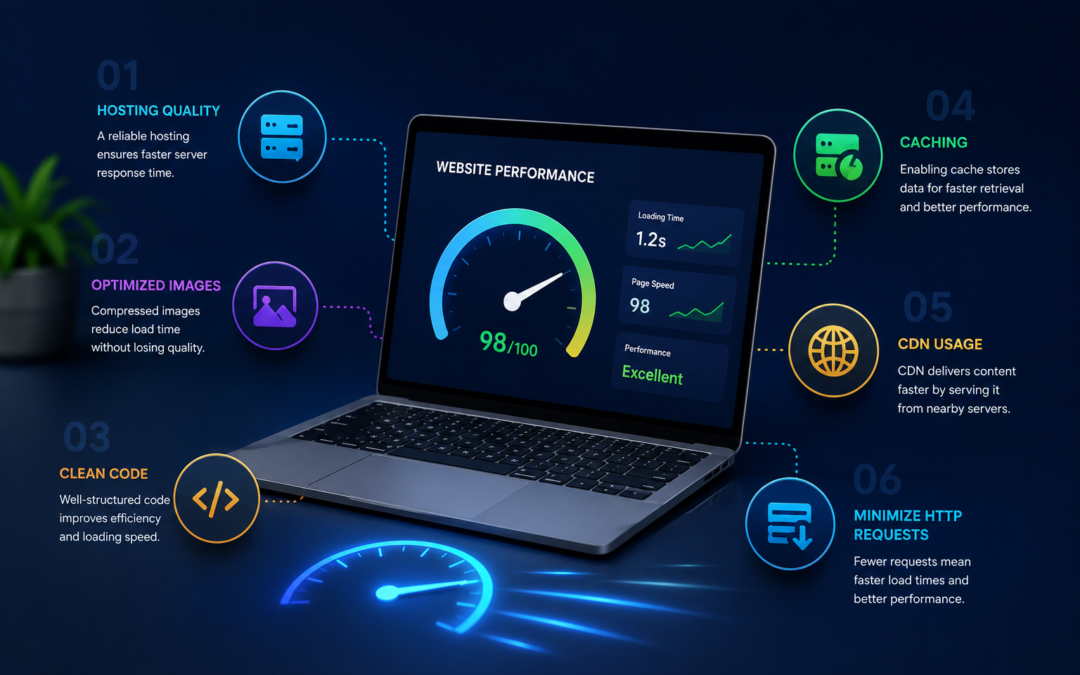
Websites speed dashboard for tracking loading time, Core Website Vitals, and page performance
Table of Contents
Why Website Speed Matters for Business Websites
Websites speed affects almost every important part of your digital presence. A fast website helps users find information quickly, improves engagement, and increases the chances of enquiries or purchases.
Search engines also consider page experience and performance signals when evaluating websites. This means better speed can support stronger SEO performance, especially when combined with quality content and strong technical structure.
Fast pages help visitors stay longer and explore more content.
Smooth loading improves trust and visitor satisfaction.
Performance improvements support stronger search engine results.
Fast websites make it easier for visitors to call, enquire, or buy.
1. Website Speed Depends on Hosting Quality
Your hosting provider plays a major role in how quickly your website loads. Poor hosting can slow down your website even if the design, content, and images are properly optimized.
A reliable hosting environment provides better server response time, stronger uptime, and smoother performance during traffic spikes.
Hosting Factors That Affect Speed
- Server response time
- Hosting location
- Uptime reliability
- Storage technology
- Resource allocation
- Server caching support
- Technical support quality
Choosing reliable hosting is one of the first steps toward better website performance and smoother user experience.
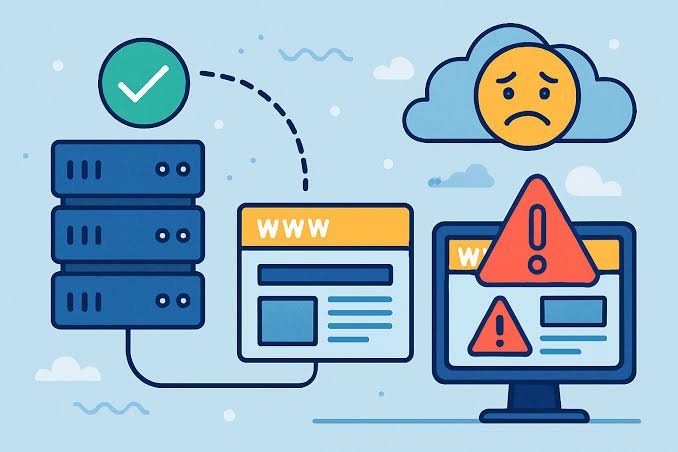
Hosting quality affects server response time, uptime, and website loading speed
2. Image Optimization Improves Website Performance
Large image files are one of the most common causes of slow websites. High-quality visuals are important, but they must be optimized properly before uploading.
Uncompressed images can increase page size, slow down mobile loading, and reduce user engagement. Optimized visuals help maintain design quality while improving loading speed.
Image Optimization Tips
- Compress images before uploading
- Use WebP format where possible
- Add proper image dimensions
- Use lazy loading
- Add keyword-relevant alt text
- Avoid uploading oversized images
- Use responsive image sizes
Optimized images improve pages speed without reducing visual quality.

Image optimization reduces page size and improves website loading performance
3. Code Quality and File Size Affect Page Speed
Unnecessary code, heavy scripts, unused CSS, and poorly structured files can slow down your website. Many websites become slower over time because of unused plugins, complex themes, and too many third-party scripts.
Code Optimization Methods
- Minify CSS and JavaScript
- Remove unused plugins
- Reduce unnecessary animations
- Optimize database queries
- Avoid bloated themes
- Load scripts only where required
- Reduce third-party tracking scripts
Clean code improves website performance and supports better technical SEO.
4. Caching and CDN Improve Website Speed
Caching stores parts of your website so they load faster for returning visitors. A CDN helps deliver website files from servers closer to the user, reducing loading delays across locations.
Benefits of Caching and CDN
- Faster page loading
- Reduced server load
- Improved global access
- Better user experience
- Higher performance consistency
- Improved mobile browsing
- Better handling of traffic spikes
These tools are especially useful for websites with visitors from multiple locations or businesses running paid marketing campaigns.

Caching and CDN improve pages speed by reducing server load and delivery time
5. Core Web Vitals Impact Website Performance
Core Website Vitals are important performance metrics that measure real user experience on a website. These metrics focus on loading performance, interactivity, and visual stability.
Improving these signals helps create a smoother browsing experience and supports SEO performance.
Important Core Website Vitals
- Largest Contentful Paint
- Interaction to Next Paint
- Cumulative Layout Shift
Ways to Improve Core Web Vitals
- Optimize large images and videos
- Reduce render-blocking resources
- Improve server response time
- Use stable dimensions for images and ads
- Reduce heavy JavaScript
- Improve mobile layout stability
You can learn more from Google Web Vitals Guide and Google PageSpeed Insights.
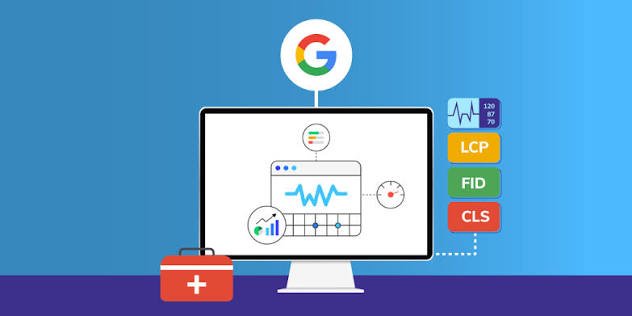
Core Website Vitals measure loading, interactivity, and visual stability
6. Technical SEO Structure Affects Speed and Rankings
Technical SEO ensures your website is easy for search engines to crawl, understand, and rank. It also helps improve site structure, mobile performance, security, and speed-related optimization.
Technical SEO Elements
- Clean URL structure
- XML sitemap
- Schema markup
- Mobile responsiveness
- Secure HTTPS setup
- Optimized internal linking
- Fixing broken links
- Proper indexability setup
Strong technical SEO improves both website performance and search visibility. You can also refer to Google Search Central for search optimization best practices.
Slow Website vs Fast Website
| Area | Slow Website | Fast Website |
|---|---|---|
| User Experience | Visitors wait longer and may leave quickly | Users browse smoothly and stay engaged |
| Performance | Heavy pages, poor hosting, and unoptimized assets | Optimized images, clean code, caching, and CDN |
| SEO | Weak page experience and poor technical structure | Better technical SEO and search-friendly performance |
| Conversions | Users may leave before taking action | Visitors can call, enquire, or purchase faster |
| Business Impact | Lower trust and fewer leads | Stronger credibility, engagement, and business growth |
Common Website Performance Mistakes
Compress images and use modern formats before uploading.
Choose reliable hosting with strong uptime and server performance.
Remove unnecessary plugins that slow down website loading.
Track loading speed, interactivity, and visual stability.
Use caching to reduce server load and improve page speed.
Avoid bloated themes and unnecessary animations.
Continue Reading
Frequently Asked Questions
Q: What is websites speed?
Websites speed refers to how quickly a website loads and becomes usable for visitors across different devices and internet connections.
Q: Why is website performance important?
Website performance affects user experience, SEO rankings, conversions, customer trust, and overall business growth.
Q: What are Core Website Vitals?
Core Website Vitals are Google performance metrics that measure loading speed, interactivity, and visual stability.
Q: How can I improve page speed?
You can improve page speed by optimizing images, using caching, choosing better hosting, reducing code size, and improving Core Website Vitals.
Q: Does technical SEO affect websites speed?
Yes. Technical SEO improves crawlability, structure, mobile performance, security, and speed-related optimization.
Want to Improve Your Website Speed?
A fast website improves user experience, supports SEO visibility, builds trust, and increases the chances of converting visitors into leads and customers.
Logicraftz Solutions LLP can audit your website, improve page speed, optimize Core Website Vitals, and enhance overall website performance.
Introduction
A professional website should do more than look attractive. It must load quickly, function smoothly, and provide visitors with an excellent browsing experience across every device. Modern search engines evaluate websites based on usability, technical quality, and overall user satisfaction. Businesses that invest in improving website performance create better customer experiences while strengthening their online visibility and digital credibility.
Today, users expect websites to respond instantly. Even a small delay can increase bounce rates, reduce engagement, and decrease customer enquiries. Optimizing page speed, improving core Website vitals, and implementing effective technical SEO practices help organizations deliver faster, more reliable digital experiences that support long-term business growth.
Whether operating an e-commerce store, corporate website, service platform, or educational portal, every organization benefits from maintaining a technically optimized and user-friendly website.
Why Website Performance Matters
A slow or poorly optimized website can negatively affect both customer satisfaction and business results. Visitors expect quick access to information, and delays often encourage users to leave before exploring additional pages.
Strong website performance provides several advantages, including:
- Faster browsing experience
- Higher customer satisfaction
- Improved search visibility
- Better engagement
- Lower bounce rates
- Increased enquiries
- Improved conversion opportunities
- Greater online credibility
- Better accessibility
- Long-term business growth
Investing in performance optimization creates measurable benefits for both users and businesses.
Understanding Core Web Vitals
Core Website vitals are a collection of user experience metrics that help evaluate how effectively a website performs for visitors. These measurements focus on loading speed, visual stability, and responsiveness during page interaction.
Businesses should regularly monitor:
- Loading experience
- Visual stability
- Interactive responsiveness
- Mobile usability
- Navigation consistency
- Image optimization
- Layout stability
- Content visibility
- Browser compatibility
- User engagement
Improving these areas creates smoother browsing experiences while supporting better search engine performance.
Why Page Speed Is Important
Modern internet users expect websites to load within a few seconds. Slow-loading pages often result in abandoned visits, reduced customer confidence, and lower engagement.
Businesses can improve page speed by:
- Compressing images
- Optimizing code
- Reducing unnecessary scripts
- Enabling browser caching
- Using reliable hosting
- Implementing content delivery networks
- Optimizing databases
- Removing unused plugins
- Reducing server response times
- Monitoring website performance
Even small improvements in loading speed can produce significant improvements in customer satisfaction and website usability.
Technical SEO Creates Strong Digital Foundations
Effective technical SEO ensures search engines can efficiently crawl, understand, and index website content while providing visitors with an excellent browsing experience.
Important technical improvements include:
- XML sitemaps
- Secure HTTPS connections
- Clean URL structures
- Structured data
- Canonical tags
- Mobile optimization
- Internal linking
- Optimized robots.txt
- Error monitoring
- Website security
Maintaining a strong technical foundation supports long-term visibility while improving search engine understanding of website content.
User Experience Supports Business Growth
Every technical improvement ultimately contributes to a better customer experience. Fast-loading pages, intuitive navigation, responsive layouts, and reliable functionality encourage visitors to remain on the website longer and explore additional content.
Organizations that prioritize usability alongside technical excellence build stronger customer trust, improve engagement, and create digital platforms capable of supporting sustainable business growth.
Optimize Images for Better Performance
Images play an important role in creating engaging websites, but large image files can significantly slow down loading times. Optimizing visuals without compromising quality improves user experience while reducing bandwidth consumption.
Businesses should focus on:
- Compressing image files
- Using modern image formats
- Implementing lazy loading
- Defining image dimensions
- Removing unnecessary metadata
- Optimizing background images
- Using responsive image sizes
- Organizing media libraries
- Monitoring image quality
- Reviewing image performance regularly
Efficient image management helps create faster, more responsive websites across all devices.
Improve Mobile User Experience
With the majority of internet users accessing websites through smartphones, mobile optimization has become an essential requirement rather than an optional feature. Visitors expect websites to function smoothly regardless of screen size or device type.
Organizations should continuously improve:
- Mobile navigation
- Responsive layouts
- Touch-friendly buttons
- Readable typography
- Mobile page loading
- Contact forms
- Interactive elements
- Menu accessibility
- Screen adaptability
- Content readability
Providing a seamless mobile experience encourages visitors to stay longer and engage with additional content.
Website Security Supports Performance
Security and performance work together to create trustworthy digital experiences. Customers expect websites to protect their personal information while maintaining reliable performance.
Businesses should implement:
- SSL encryption
- Secure hosting
- Firewall protection
- Malware scanning
- Regular backups
- Software updates
- User access management
- Server monitoring
- Security audits
- Data protection policies
A secure website improves customer confidence while supporting long-term operational reliability.
Monitor Performance Regularly
Website optimization is an ongoing process that requires continuous monitoring and improvement. Customer expectations, browser technologies, and search engine algorithms continue to evolve, making regular reviews essential.
Important metrics to monitor include:
- Website visitors
- Bounce rate
- Session duration
- Server response time
- Mobile usability
- Conversion performance
- Error reports
- User engagement
- Device compatibility
- Customer enquiries
Performance reviews help businesses identify opportunities for improvement before they negatively affect customer experience.
Content Organization Improves User Experience
Well-structured content makes it easier for visitors to find relevant information while helping search engines understand website topics.
Businesses should organize content using:
- Clear headings
- Logical page hierarchy
- Short paragraphs
- Internal linking
- Descriptive page titles
- Helpful navigation
- Frequently asked questions
- Informative service pages
- Resource sections
- Easy-to-read formatting
A clear website structure encourages visitors to explore additional pages while improving usability.
Artificial Intelligence Improves Website Optimization
Artificial intelligence is transforming how businesses analyze website data and improve digital experiences. AI-powered technologies help organizations identify user behaviour patterns, predict customer needs, and automate performance improvements.
Businesses can benefit from AI through:
- Visitor behaviour analysis
- Automated reporting
- Smart chatbots
- Predictive insights
- Personalization
- Content recommendations
- Performance monitoring
- Workflow automation
- Audience segmentation
- User experience improvements
These capabilities help organizations make informed decisions while improving operational efficiency.
Why Businesses Choose Logicraftz
Logicraftz helps organizations build fast, reliable, and scalable digital platforms that support measurable business growth. Every project begins with understanding the client's business objectives, customer expectations, website challenges, and long-term expansion plans before creating customized optimization strategies.
The company provides comprehensive services including website development, performance optimization, search engine optimization, AI-powered automation, cloud integration, website maintenance, CRM implementation, ERP solutions, security enhancements, and digital consulting. Rather than applying standard optimization techniques, Logicraftz develops tailored solutions designed to improve usability, operational efficiency, and long-term digital success.
Continuous monitoring, transparent reporting, technical expertise, and proactive maintenance ensure every website remains secure, responsive, and prepared for future technological advancements.
Prepare Your Website for Future Growth
Technology continues to evolve rapidly, requiring businesses to adapt their digital platforms regularly. Modern websites should be flexible enough to integrate with emerging technologies while maintaining excellent usability and performance.
Organizations should focus on:
- Continuous optimization
- Scalable infrastructure
- Regular content updates
- Improved accessibility
- Cloud readiness
- AI integration
- Better customer experiences
- Ongoing security improvements
- Performance monitoring
- Innovation planning
Future-ready websites provide businesses with the flexibility needed to support changing customer expectations and market demands.
Conclusion
A high-performing website is a valuable business asset that supports customer engagement, online visibility, and sustainable growth. Investing in website performance helps organizations deliver faster, more reliable digital experiences that encourage visitors to remain engaged and complete meaningful actions. Improving core Website vitals, optimizing page speed, and implementing effective technical SEO practices create strong technical foundations that benefit both users and search engines.
Businesses that continuously monitor performance, strengthen security, optimize content, and embrace new technologies build lasting competitive advantages. Partnering with experienced professionals like Logicraftz ensures organizations receive customized digital solutions, ongoing technical support, and strategic guidance that help create fast, secure, and future-ready websites capable of delivering measurable business success for years to come.